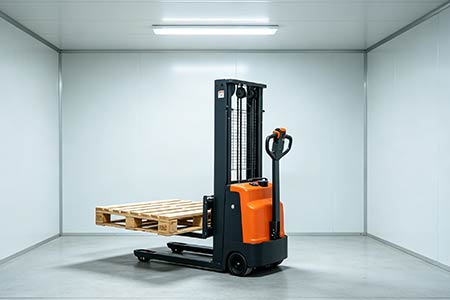
If you have a limited warehouse budget and want to upgrade stacking efficiency with cost-effective handling equipment, you may wonder semi-electric stacker price per unit. This equipment features affordable pricing and labor-saving operation, helping warehouses reduce operating costs and working intensity while improving stacking efficiency. This article gives a clear analysis of semi-electric hydraulic stacker price and practical purchasing references.
The following are mainstream market price ranges from original manufacturers (basic lead-acid battery models, standard 1.6-2m lifting height, single retail price, excluding freight):
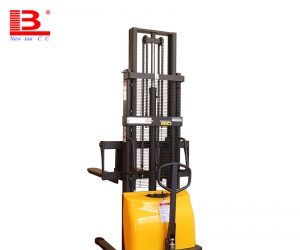
1-ton semi-electric stacker: The basic model is priced at about 3200-4600 RMB. It is suitable for low-frequency and light-load stacking work, ideal for daily small-volume goods lifting in ordinary warehouses.
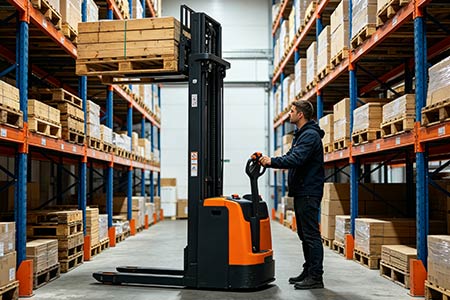
1.5-ton semi-electric stacker: The mainstream market price ranges from 4200-5800 RMB. As the most popular model for small and medium-sized warehouses, its maximum lifting height can reach 3 meters.
2-ton semi-electric stacker: Equipped with thickened frame materials, it costs 5500-7200 RMB. With enhanced load-bearing capacity of the mast and hydraulic components, it adapts to long-term heavy-duty working scenarios.
Upgrading to lithium battery configuration will increase the price by 800-1500 RMB for the same specification. Extra costs will also be incurred for customized models with lifting height over 3 meters, widened forks, and CE certification for export. Bulk purchasing enjoys tiered discounts, and the unit cost decreases with larger order quantities.
Several core factors lead to price differences in the market:
Load capacity specification: Mainstream models include 1-ton, 1.5-ton and 2-ton versions. Higher rated load requires thicker steel plates for frames and masts, raising the overall production cost. For daily light-load and low-frequency stacking, the 1-ton model with lower cost is the most suitable choice.
Lifting height: Optional standard lifting height ranges from 1.6 meters to 3.5 meters. Higher lifting height means more mast sections, additional steel materials and roller accessories, resulting in higher equipment prices. It is not recommended to choose an ultra-high mast blindly; select the height according to the actual shelf height of your warehouse.
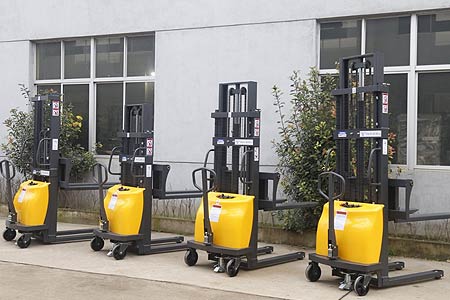
Battery type: Lead-acid batteries are equipped for basic models with lower upfront cost, perfect for warehouses with low usage frequency. Lithium battery models have a higher initial price but support fast charging and have a longer service life, making them suitable for daily high-frequency continuous operation.
Manufacturing process and accessory brands: Professional original manufacturers adopt self-welded frames and mass production to control costs. Some low-cost equipment uses thin steel plates and ordinary hydraulic parts, which are prone to deformation and oil leakage under long-term heavy load. Qualification documents required for export orders will also cause slight price fluctuations.
To sum up, you can contact professional manufacturers to obtain customized detailed quotations according to your actual working conditions, avoiding purchasing pitfalls while learning about semi-electric hydraulic stacker pricing.
-
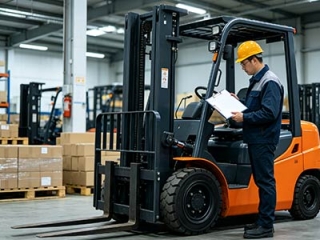 License Requirement for Warehouse Stand-on Counterbalance StackerWhether ride-on counterbalance stackers require operation certificates depends on equipment type. Operators need N1 forklift licenses for specified models to avoid regulatory risks.
Do you like ?0
Read more -
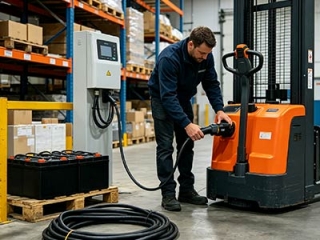 Safety Guide for Indoor Charging of Walk-behind Electric StackerImproper charging of pedestrian electric stackers causes safety hazards. Standardize charging areas, operation procedures and battery inspections to extend battery life.
Do you like ?0
Read more -
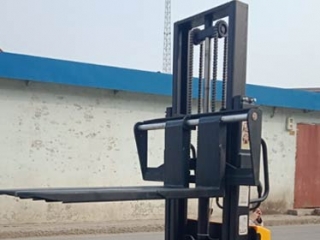 Portable Semi-electric Stacker, Pros and Cons of Semi-electric StackerSemi-electric stackers feature lightweight bodies and low costs, ideal for small warehouses with limited budgets. Learning their pros and cons helps enterprises select suitable stacking equipment.
Do you like ?0
Read more -
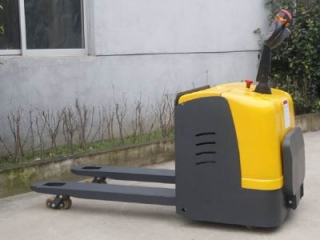 Operation Guide of Stand-on Full Electric Pallet TruckNew operators need standardized procedures for ride-on electric pallet trucks. Standard operation ensures safety, optimizes performance and reduces equipment wear in daily warehousing work.
Do you like ?0
Read more -
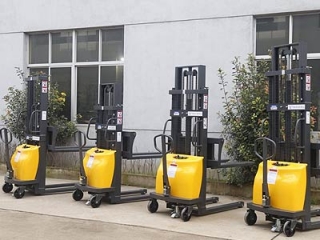 How Much Does a Semi-electric Stacker Cost? Price GuideSemi-electric stackers are cost-effective options to improve warehouse stacking efficiency. Prices vary by load capacity, lifting height and battery types for budget estimation.
Do you like ?0
Read more -
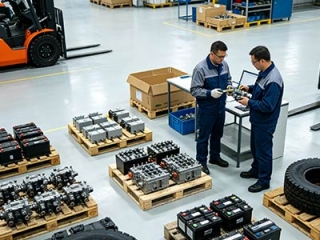 5 Strict Inspection Stages of Newnewton Forklift Before DeliveryForklift factory inspection determines equipment stability. Taizhou manufacturers adopt five testing procedures from parts sampling to full-load tests for reliable quality.
Do you like ?0
Read more