
Safety Guide for Indoor Charging of Walk-behind Electric Stacker
Improper charging may lead to hidden dangers and accidents. Compared with ordinary electric vehicles, stackers are larger and usually placed in warehouses. Once an accident occurs, it will cause serious impacts on personnel and goods inside the warehouse. Warehouse operators should fully learn electric stacker charging precautions. Proper indoor charging management can avoid safety risks, protect batteries and extend battery service life.
First, select a suitable indoor charging zone. The charging area should be well ventilated and kept away from flammable materials such as cartons and plastic packages. Charging under racks or cargo stacking areas is forbidden. Keep the ground dry, stay away from puddles and wet corners, equip fire extinguishing equipment, and no open fire in the charging area.
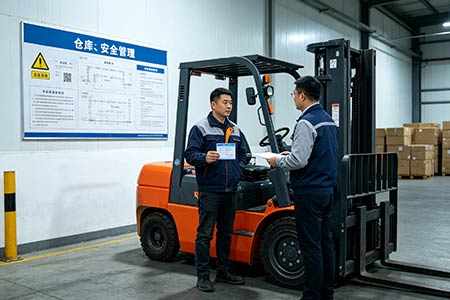
Check the equipment condition before charging. Inspect the battery shell for bulging or leakage, check whether power cords and plugs are damaged or loose. Make sure the charger model matches the battery, never use mismatched chargers for other devices. Park the stacker steadily, pull on the parking brake and turn off the main power before connecting the charging plug.
Monitor battery status during charging. Do not cover the battery or charger to ensure good heat dissipation. Do not unplug the connector or move the vehicle randomly while charging. If the battery overheats or emits strange odors, cut off the power supply immediately, stop charging and troubleshoot the fault, do not continue operation. Regular inspection by staff is required during charging, unattended long-time charging is not recommended.
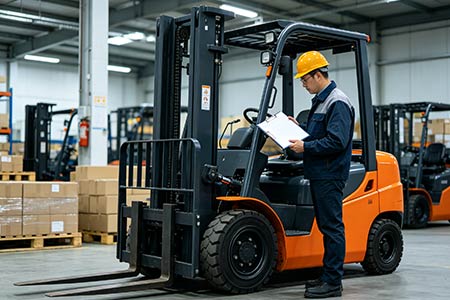
Cut off power in correct sequence after charging. Turn off the charger power first, then unplug the battery connector, arrange charging cables properly to prevent extrusion and abrasion. Avoid overcharging the battery, stop charging promptly once fully charged.
There are also daily maintenance tips: Do not drain the battery completely before recharging, shallow charge and shallow discharge is better for battery maintenance. In low-temperature environments, do not charge the battery right after operation, let it stand for a period of time before charging. Charging work should be operated by trained staff. Non-professionals shall not disassemble battery components privately.
In short, operators can follow indoor charging specifications for walk-behind electric stacker to carry out daily work safely. If you plan to buy electric stackers and need advice on battery selection and warehouse charging solutions, feel free to contact us for consultation.
-
 License Requirement for Warehouse Stand-on Counterbalance StackerWhether ride-on counterbalance stackers require operation certificates depends on equipment type. Operators need N1 forklift licenses for specified models to avoid regulatory risks.
Do you like ?0
Read more -
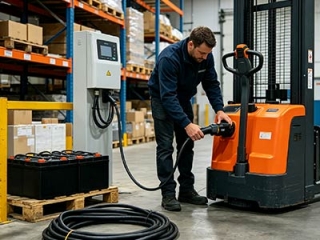 Safety Guide for Indoor Charging of Walk-behind Electric StackerImproper charging of pedestrian electric stackers causes safety hazards. Standardize charging areas, operation procedures and battery inspections to extend battery life.
Do you like ?0
Read more -
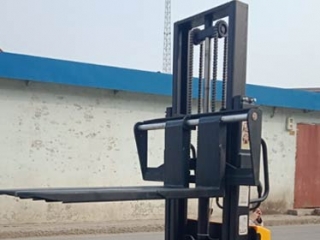 Portable Semi-electric Stacker, Pros and Cons of Semi-electric StackerSemi-electric stackers feature lightweight bodies and low costs, ideal for small warehouses with limited budgets. Learning their pros and cons helps enterprises select suitable stacking equipment.
Do you like ?0
Read more -
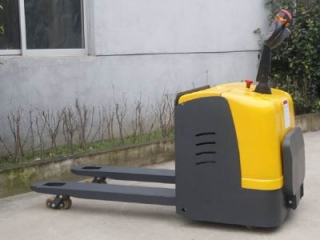 Operation Guide of Stand-on Full Electric Pallet TruckNew operators need standardized procedures for ride-on electric pallet trucks. Standard operation ensures safety, optimizes performance and reduces equipment wear in daily warehousing work.
Do you like ?0
Read more -
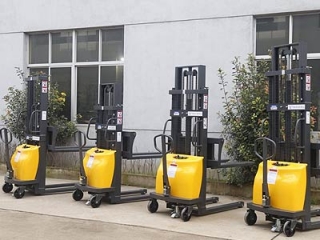 How Much Does a Semi-electric Stacker Cost? Price GuideSemi-electric stackers are cost-effective options to improve warehouse stacking efficiency. Prices vary by load capacity, lifting height and battery types for budget estimation.
Do you like ?0
Read more -
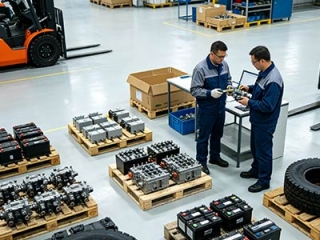 5 Strict Inspection Stages of Newnewton Forklift Before DeliveryForklift factory inspection determines equipment stability. Taizhou manufacturers adopt five testing procedures from parts sampling to full-load tests for reliable quality.
Do you like ?0
Read more








