
Introduction to Straddle Leg Function of Stacker and Damage Impacts
The straddle leg is an essential load-bearing component of straddle stackers. Many operators ignore its condition during daily operation until deformation or cracks appear, which brings serious safety risks. The straddle leg function of stacker helps users fully understand this key part of the stacker.
The primary function of the stacker straddle leg is to keep the whole machine stable. When goods are lifted, the center of gravity rises. The forward-extended straddle leg forms a supporting base at the front of the vehicle to counteract the overturning moment caused by the load and prevent the stacker from tipping forward. Without intact straddle legs, the operation risk will rise sharply when lifting loads.
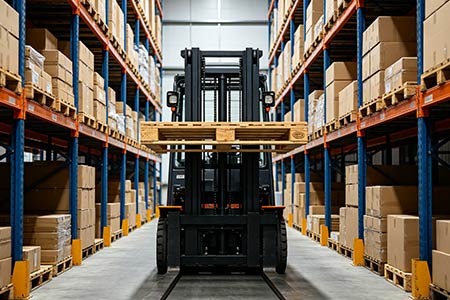
Secondly, the straddle leg assists load bearing and guiding. During fork lifting and lowering, the straddle leg shares part of the load and restricts the fork from swinging left and right to ensure smooth movement of the mast. Some stackers are equipped with load wheels at the bottom of straddle legs, which help share pressure during travelling and reduce the load on the mast and drive wheels.
In addition, straddle legs are designed to match pallet operations. The spacing between two straddle legs determines the applicable pallet size. Standard wide straddle legs fit ordinary Euro pallets, while narrow straddle legs can match non-standard narrow pallets. Pallet dimensions in the warehouse should be considered during equipment selection.
It is obvious that straddle legs are indispensable. What are the impacts of damaged stacker straddle leg? This point deserves high attention.
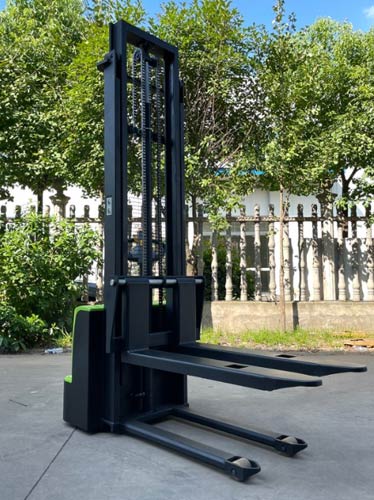
Once the straddle leg is damaged, the first problem is reduced vehicle stability. Deformation or weld cracks weaken the strength of the supporting structure. The stacker may easily tip over when lifting goods, which directly threatens the safety of operators.
Damaged straddle legs also lead to jitter during fork lifting. Deformed straddle legs change the coaxiality of forks, causing stuck movement and abnormal noise in lifting cycles. It accelerates the wear of mast rollers and hydraulic parts and increases maintenance costs.
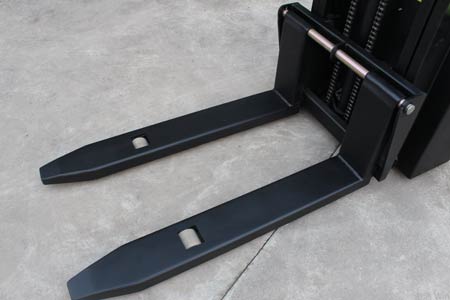
Besides, pallet compatibility will be limited. Twisted straddle legs change the spacing. Pallets that used to fit can no longer enter smoothly, lowering work efficiency and wasting extra time on pallet adjustment.
Therefore, regular inspection of straddle legs is required in daily work. Focus on weld seams, steel plate cracks and stuck or deformed load wheels. Stop using the equipment immediately if bent or cracked straddle legs are found, and never operate with faults. When purchasing export models, pay attention to the plate thickness and welding craft of straddle legs to guarantee reliability under long-term heavy load.
-
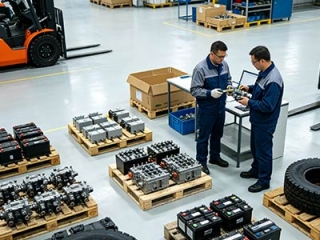 5 Strict Inspection Stages of Newnewton Forklift Before DeliveryForklift factory inspection determines equipment stability. Taizhou manufacturers adopt five testing procedures from parts sampling to full-load tests for reliable quality.
Do you like ?0
Read more -
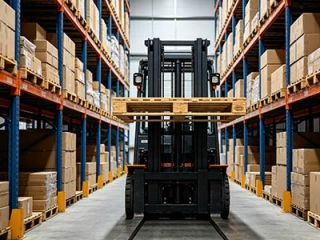 Introduction to Straddle Leg Function of Stacker and Damage ImpactsSupport legs are core load-bearing structures of stackers. They prevent tipping, bear loads and guide pallets, requiring daily maintenance for safe operation.
Do you like ?0
Read more -
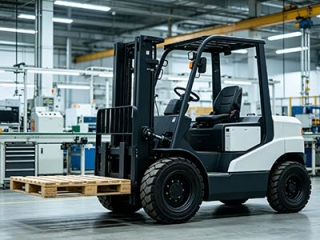 3 Sets of Workshop Narrow Aisle Forklift Solutions from Forklift ManufacturerNarrow workshop aisles limit handling efficiency. Professional forklift manufacturers provide three forklift solutions for different narrow aisle working conditions.
Do you like ?0
Read more -
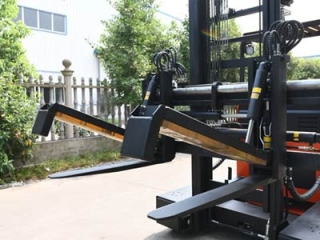 6 Steps to Learn Standard Operation of Full Electric Four-way ForkliftFull-electric four-way forklifts handle long materials with vertical and horizontal travel. Standardize six operating procedures to avoid operational risks.
Do you like ?0
Read more -
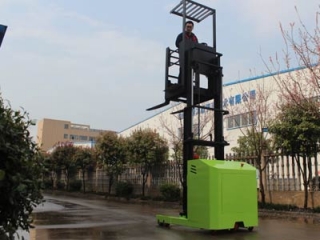 Electric order picker vs manual order picker, warehouse order pickerWhen choosing order pickers, compare electric and manual models from efficiency, workload, scenarios, cost and safety to match your warehouse working conditions.
Do you like ?0
Read more -
 What Items Can Be Customized for Diesel Forklift OEM ServiceFor diesel forklift OEM, clarify customizable ranges to avoid delivery deviation. Factories support logo, mast, cabin and document customization.
Do you like ?0
Read more








