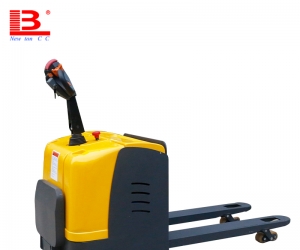
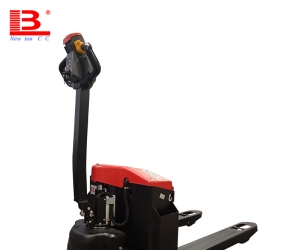
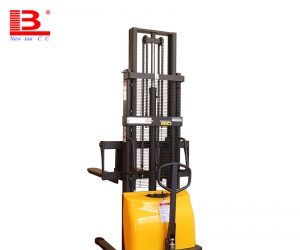
For basic handling tasks in factories and workshops, what matters most is stable and reliable performance rather than excessively powerful functions. If your workshop has simple daily demands, when choosing a semi-electric stacker for workshop, you should focus more on cost-effectiveness and whether basic performance meets actual needs, instead of blindly pursuing high-end brands. Extra functions are unnecessary as long as the equipment is practical enough.
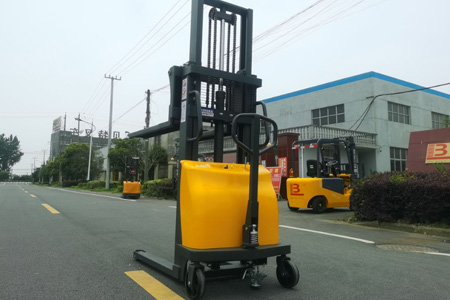
With this clear positioning, you can avoid wrong purchases and unnecessary expenses. The most suitable equipment for such demands is the basic semi-electric stacker, which enjoys high sales and wide attention. It helps users save much time and labor, freeing them from heavy physical work so they can focus more on business development and improvement.
In workshop handling and stacking operations, most tasks involve material turnover and production line transportation. The core required functions are only handling and stacking. If most materials are solid, a standard basic semi-electric stacker will be sufficient. If liquid materials such as oil drums are dominant, a specialized drum stacker can be chosen accordingly.
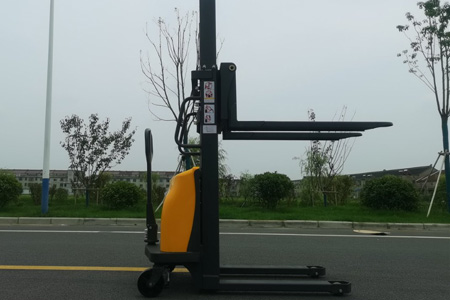
The easy maintenance semi-electric stacker adopts an integrated design for core components without complicated pipelines. It is standard equipped with lead-acid batteries, while lithium batteries are also optional, requiring no frequent water refilling or cleaning. The sealed structure prevents dust from entering the interior, greatly reducing maintenance frequency and potential failures.
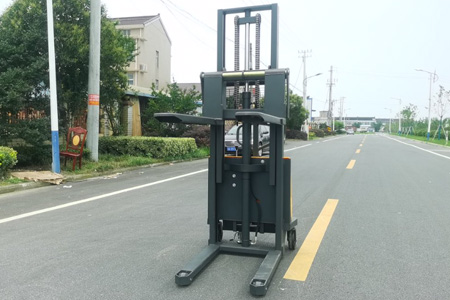
In conclusion, for basic handling and stacking work in workshops in 2026, the semi-electric stacker for workshop is the optimal choice. It effectively improves operation efficiency without bringing high costs, making it a highly cost-effective solution for daily workshop use.
-
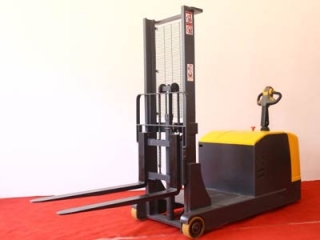 Is Stand-on Counterbalance Stacker Brand Ranking Reliable?When selecting ride-on counterbalance stackers, brand lists are only for reference. Verify qualifications, core parts and after-sales supply based on warehouse conditions.
Do you like ?0
Read more -
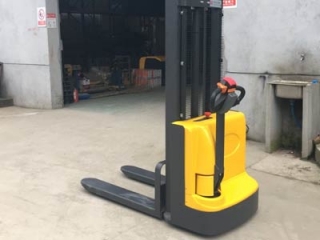 Core Components Check for Light Electric Walkie StackerWhen choosing walkie stackers, durability relies on four key parts: mast, frame, hydraulic system and battery, instead of merely appearance.
Do you like ?0
Read more -
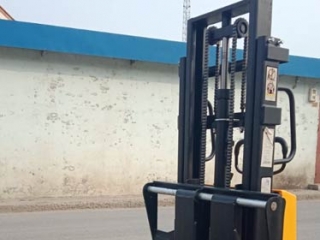 Semi-Electric Hydraulic Stacker Price Guide For WarehouseSemi-electric stackers fit short stacking in small warehouses. Prices vary by load, lifting height and battery, covering 1t,1.5t and 2t models for comparison.
Do you like ?0
Read more -
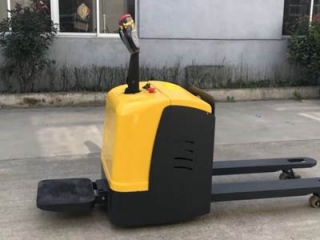 Operating Procedures for Ride-on Full Electric Pallet TruckRide-on electric pallet trucks suit long-distance and high-frequency warehouse handling. Standardize pre-operation inspection and workflow to eliminate risks and improve efficiency.
Do you like ?0
Read more -
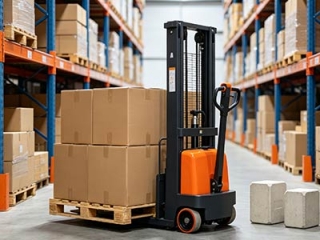 How to Choose Load Capacity for Manual Hydraulic StackerManual stacker selection requires considering load attenuation and offset load. Follow four scientific rules including safety margin and fork pallet matching for proper load specification.
Do you like ?0
Read more -
 Direct Source Factory for Small Electric Forklifts | NewnewtonBuying forklifts from source factories saves markup and speeds up after-sales service. Check qualifications carefully to distinguish real manufacturers from OEM traders.
Do you like ?0
Read more