How to Operate Full Electric Walkie Stacker | Beginner Guide
For enterprises new to forklift operation, understanding the correct operating steps is essential to avoid accidents, cargo damage, and safety risks. To help you clearly learn how to operate full electric walkie stacker, we have summarized the key points you must pay attention to.
Before Operation
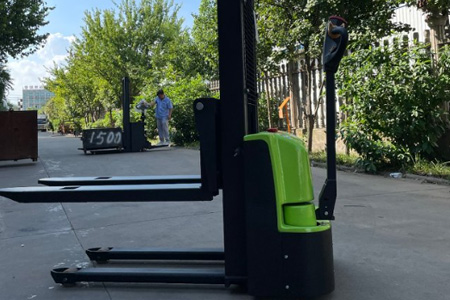
Before starting the machine, check the surrounding environment and the forklift condition to avoid risks such as flat tires, missing parts, or nearby personnel that may cause accidents.
Turn on the power and confirm sufficient battery level, no oil leakage in the hydraulic cylinder, smooth lifting, sensitive and effective brakes, and proper fork width matching the pallet. Only start work after all inspections are completed to ensure safety and reduce unnecessary losses.
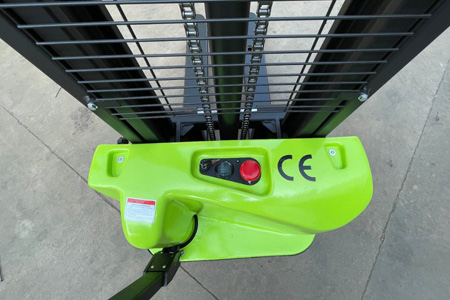
During Operation
Lift goods to 10–20 cm above the ground; never travel with raised loads.Maintain a constant speed, avoid sudden braking or sharp turns. Sound the horn when turning corners or approaching people.
When positioning and lifting, adjust the forks of the walkie electric pallet stacker forklift, to about 10 cm above the shelf height before inserting into the pallet.
When driving in narrow aisles or starting the machine, use the slow-speed button to maintain low speed and prevent potential hazards caused by untimely operation.
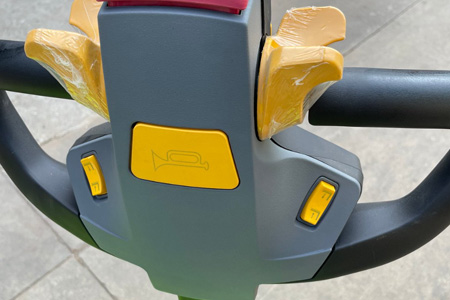
After Operation
Park the empty stacker in a designated open area and lower the forks to the minimum position.Activate the brake, turn off the power, and remove the key.Perform simple cleaning to remove debris and fill in the daily inspection checklist.
In summary, this guide covers the most easily overlooked yet high-risk operating points of the walkie electric pallet stacker forklift, rather than a full manual. You can request an official operation video when purchasing the equipment. By following these tips, you can operate more safely and avoid common mistakes.
-
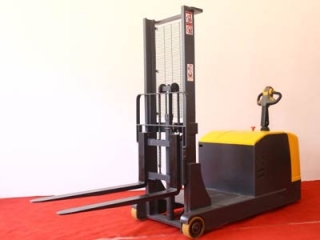 Is Stand-on Counterbalance Stacker Brand Ranking Reliable?When selecting ride-on counterbalance stackers, brand lists are only for reference. Verify qualifications, core parts and after-sales supply based on warehouse conditions.
Do you like ?0
Read more -
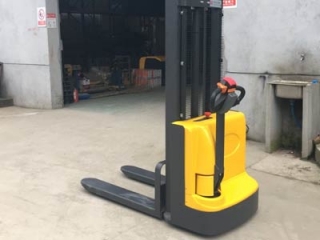 Core Components Check for Light Electric Walkie StackerWhen choosing walkie stackers, durability relies on four key parts: mast, frame, hydraulic system and battery, instead of merely appearance.
Do you like ?0
Read more -
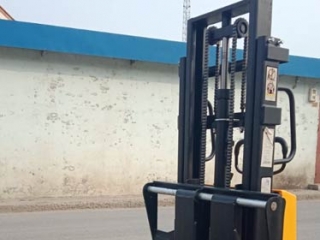 Semi-Electric Hydraulic Stacker Price Guide For WarehouseSemi-electric stackers fit short stacking in small warehouses. Prices vary by load, lifting height and battery, covering 1t,1.5t and 2t models for comparison.
Do you like ?0
Read more -
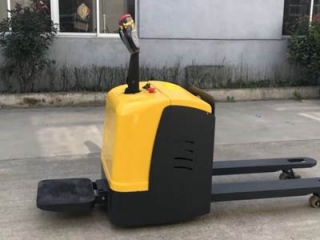 Operating Procedures for Ride-on Full Electric Pallet TruckRide-on electric pallet trucks suit long-distance and high-frequency warehouse handling. Standardize pre-operation inspection and workflow to eliminate risks and improve efficiency.
Do you like ?0
Read more -
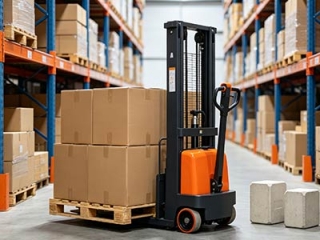 How to Choose Load Capacity for Manual Hydraulic StackerManual stacker selection requires considering load attenuation and offset load. Follow four scientific rules including safety margin and fork pallet matching for proper load specification.
Do you like ?0
Read more -
 Direct Source Factory for Small Electric Forklifts | NewnewtonBuying forklifts from source factories saves markup and speeds up after-sales service. Check qualifications carefully to distinguish real manufacturers from OEM traders.
Do you like ?0
Read more