
Do Large Capacity Stackers Need Wider Support Legs For Stability?
Does heavier load mean more shaking? The wide leg heavy-duty stacker keeps loads stable with widened support structure. Many warehouses face shaking issues when stacking heavy goods at height. Buyers often wonder whether stackers become unstable simply because of higher load capacity, whether large capacity stacker needs widened legs, and how wide leg models maintain stability.
Stacker stability mainly depends on the supporting base and center of gravity, instead of load capacity alone.
Standard stackers come with fixed narrow leg spacing and a limited supporting base. As goods lift higher, the overall center of gravity rises and overturning moment increases. Minor eccentric load or uneven floor will cause shaking. The risk becomes more obvious under heavy loads.
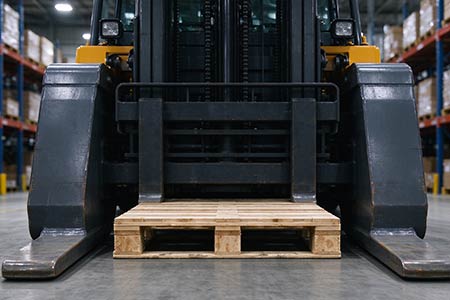
The wide leg heavy-duty stacker extends the transverse distance between two legs and expands the bottom supporting area. It creates a larger stable base, provides bigger safety margin for gravity and improves anti-tipping performance.
In terms of mechanical principle, widened legs help keep the cargo center of gravity within the stable triangle. With the same load capacity and lifting height, wide legs counteract overturning torque caused by eccentric load. The body shakes far less during high stacking, goods are less likely to fall, and the risk of side turnover is reduced.
Besides, wide legs fit wider pallets. Pallets sit inside the support legs with even force distribution, avoiding jamming for oversize pallets and making heavy-load alignment easier.
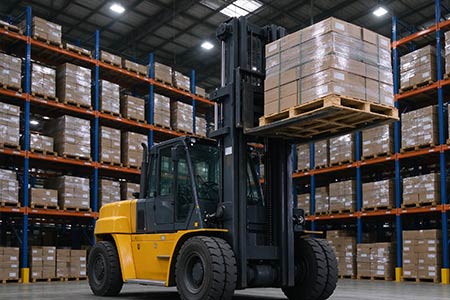
Even so, wide leg design is not universal and has application limits. Wider legs require a larger working aisle, so it is not suitable for narrow aisle warehouses. Do not choose wide legs blindly if your aisles are compact. You can limit lifting height and standardize loading to prevent eccentric load.
A wide leg heavy-duty stacker also has heavier body weight, which raises requirements for drive motors and hydraulic assemblies. You need to match proper large capacity configurations during selection. Even with this stable model, overloading is forbidden. Place goods centrally, avoid one-sided load deviation and keep the floor flat. These operating rules remain the foundation of safe and stable stacking.
-
 Galvanized Anti-Rust Manual Pallet Jack For Humid And Corrosive WorkshopHand pallet trucks rust easily in humid or salty areas. Paint, hot-dip galvanizing and stainless steel offer different anti-corrosion levels for your budget.
Do you like ?0
Read more -
 Do Large Capacity Stackers Need Wider Support Legs For Stability?Wide-leg stackers feature wider support base for better stability at high lifting heights and fit wide pallets, while requiring wider working aisles.
Do you like ?0
Read more -
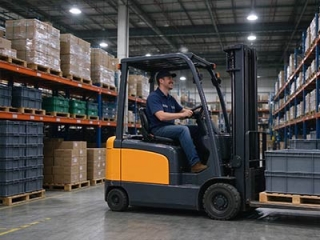 Compact Electric Forklift For Narrow Warehouse From Newnewton FactoryCompact electric forklifts fit narrow aisles in renovated old warehouses. Their small turning radius avoids rack collision and boosts storage capacity without site expansion.
Do you like ?0
Read more -
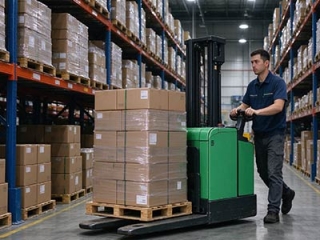 Is Lithium Electric Pallet Truck Suitable For Continuous Operation?Lithium pedestrian pallet trucks suit two-shift high-throughput warehouses. They support quick interim charging, with stable power and easy maintenance, yet have obvious drawbacks.
Do you like ?0
Read more -
 Is Lithium Electric Self-Loading Forklift Reliable For Single Driver Unloading?Delivery drivers often lack loading aids at drop-offs. Lithium self-loading stackers fit in trucks, letting one person handle pallets for multi-stop deliveries.
Do you like ?0
Read more -
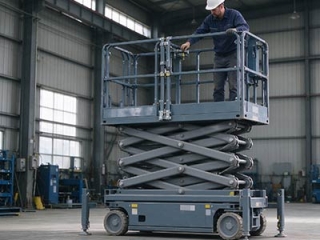 Functions Of Extendable Platform On Self-Propelled Scissor LiftFixed aerial platforms need frequent repositioning. Self-propelled lifts with extending decks expand working reach without moving the machine, ideal for factory piping and high warehouse light maintenance.
Do you like ?0
Read more








