What are the easily overlooked problems in the electric forklift driving project
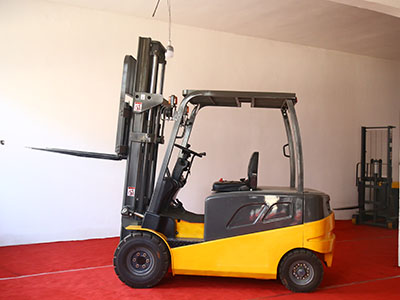
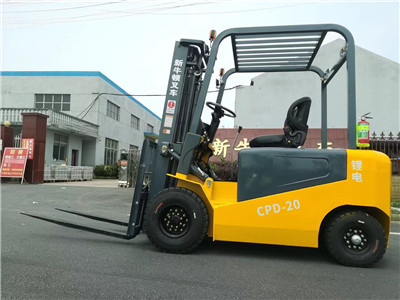
To drive an battery operated forklift safely, first, the walking goods of the electric forklift must be lowered to the bottom, and the mast should be kept backward.
When the forklift is loading and unloading goods, pay attention to whether the lift of the fork will hit the warehouse ceiling or other obstacles in the sky. The heavy goods need to be on the bottom, light on the top, bulky on the bottom, and small in size. In this way, the center of the electric forklift can be kept down and the driving is more stable.
When picking up the goods, the forklift must move forward steadily. Remember to make a sudden stop and make a slow turn when turning. Do not make a sharp turn to prevent the forklift from tipping over due to an unstable center of gravity. Observe the surrounding environment and do not stick your head out. accident. During driving, pedestrians should be carefully observed to react quickly.
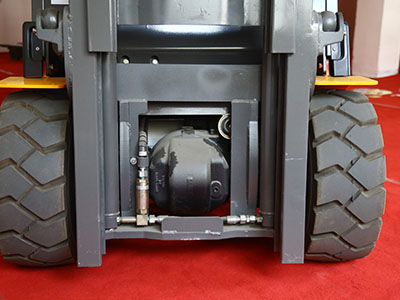
Regardless of whether it is an battery operated forklift or an internal combustion forklift when driving, it should not stall and slide when encountering a downhill. So as not to cause brake failure, unable to respond in emergency situations. The brakes should not be used arbitrarily when loading up and down slopes, so as to prevent the cargo from tipping over due to inertia. When the cargo is loaded downhill, it should be driven backwards, and the cargo should not be super high, and the height should be kept below two-thirds of the height of the mast.
Electric forklifts should strictly follow the driving route when driving in warehouses with many shelves, abide by the enterprise warehouse management convention, and drive safely. In case of vehicles in the same direction, please keep a safe distance, while oncoming vehicles need to keep a lateral distance.
When loading and transporting large objects on a forklift, ensure that the driver’s vision is not hindered.
When driving an electric forklift, it should be noted that the steering is controlled by the rear wheel. Novice operators must pay attention to the steering when driving.
Don't be too fast when turning to avoid the tail swinging too much and losing control of the direction.
Driving an battery operated forklift is strictly forbidden to turn on a ramp, let alone driving across a ramp.
-
 3-step Troubleshooting for Reduced Load Capacity of Manual Hydraulic TruckManual hydraulic pallet trucks often fail to lift or sink due to oil shortage, pressure leakage and air intake. Three-step inspection can quickly restore the equipment’s load-bearing performance.
Do you like ?0
Read more -
 What is Pedestrian Counterbalance Stacker & Basic Operating StepsPedestrian counterbalance stackers with rear weights fit narrow aisles with high cost performance. Standard operating procedures improve warehouse efficiency and ensure operational safety.
Do you like ?0
Read more -
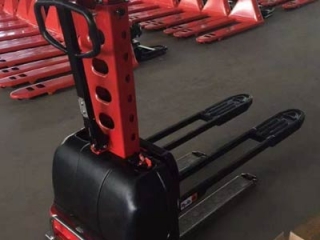 Battery Maintenance Guide for Onboard Electric Self-elevating TrucksFrequent power loss on self-loading stackers is mainly caused by improper battery maintenance. Standardize daily charging, inspection and storage to extend battery service life.
Do you like ?0
Read more -
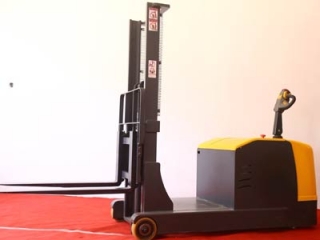 4 Dimensions Comparison: Reach Stacker and Counterbalance Stacker for WarehouseReach stackers and counterbalance stackers differ greatly in structure and application. Compare aisle width, load capacity, scenarios and maintenance costs for accurate warehouse selection.
Do you like ?0
Read more -
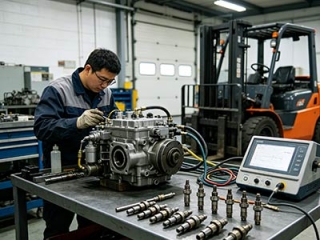 Causes of Black Smoke Failure of Outdoor Diesel Forklift & TroubleshootingBlack smoke from diesel forklift exhaust outdoors is mainly caused by insufficient fuel combustion. Distinguish temporary working conditions from persistent faults to reduce engine damage.
Do you like ?0
Read more -
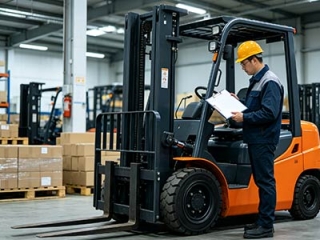 License Requirement for Warehouse Stand-on Counterbalance StackerWhether ride-on counterbalance stackers require operation certificates depends on equipment type. Operators need N1 forklift licenses for specified models to avoid regulatory risks.
Do you like ?0
Read more