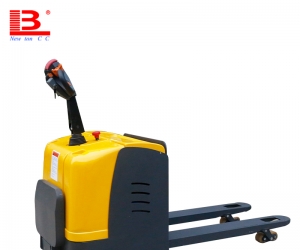
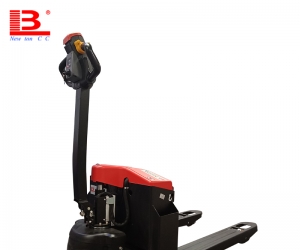
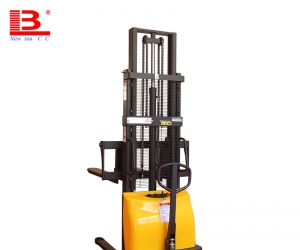
What factors should be considered when buying a small electric forklift?

Many of our customers are buying small electric forklift for the first time. They don't know where to start, and they don't know what important factors should be considered first. Let's analyze the various factors to be considered when buying an electric forklift, and then filter out the more important factors for ourselves according to the needs.
So what are your needs? If the procurement funds are limited, use the limited budget as the standard to find products that are suitable for you, with guaranteed quality and high cost-effectiveness within this range. If the purchase funds are not limited, but the quality and after-sales service requirements are higher, then you can refer to the higher standard configuration and have a wider choice. But in either case, we should not be taken advantage of. Appropriate price comparison is necessary. (First of all, I will report on the interest relationship here. We are a Jiangsu New Newton forklift manufacturer, a supplier of electric forklifts integrating R&D, production and sales.)
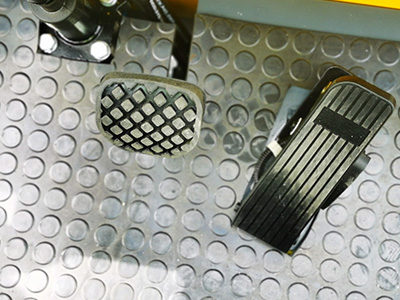
1. Price comparison: As the saying goes, shop around does not suffer. So what kind of price is appropriate? Small electric forklifts with the same configuration have different prices in the hands of different electric forklift suppliers. First of all, you must make sure that what you have found is the source of the manufacturer's supply, so that there is room for negotiation on the price. Customers and friends can inquire according to their purchase quantity. How much is the electric forklift? The more the quantity purchased, the cheaper the price.
2. What important parts do we pay attention to when buying a small electric forklift? The main components of electric forklifts are: batteries, motors, hydraulic pump stations, controllers, cylinders, masts, forks, tires, etc. We can ask small electric forklift manufacturers: What is the capacity of the battery? What is the power of the motor? What brand is the hydraulic pump station? What brand is the controller? What is the diameter of the cylinder and how thick is the steel of the mast? What material is the fork? Is it a forged fork or a plate-pressed fork?
The above content is shared by the electric forklift manufacturer. If you have any other questions, please consult.
-
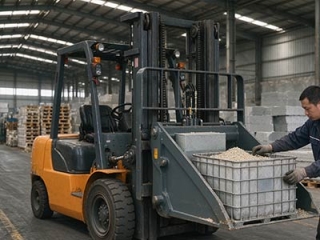 Customized Forklift Attachments to Meet Diverse Warehouse DemandsCustom forklift attachments handle irregular goods like pipes and rolls. Check gravity and load curve to avoid risks from shifted load center.
Do you like ?0
Read more -
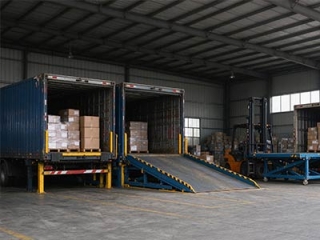 Hydraulic Dock Ramp: Fixed or Mobile Type for Warehouse LoadingFixed and mobile hydraulic dock levelers differ greatly in installation, load and flexibility. Match your dock, frequency and site to avoid mismatches.
Do you like ?0
Read more -
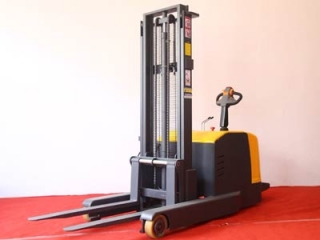 Stand-on Electric Reach Stacker Solution for Dense Racking Automated WarehouseStand-on reach stackers help new material warehouses expand storage slots without heavy construction. The telescopic mast cuts aisle width for dense racks.
Do you like ?0
Read more -
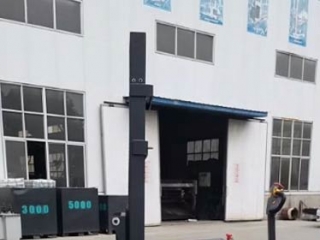 Legless Walk Stacker Solve Space Limits for Fixed Warehouse RacksLegless walkie counterbalance stackers suit renovated old warehouses. They fit narrow aisles and closed-bottom pallets without rack modification.
Do you like ?0
Read more -
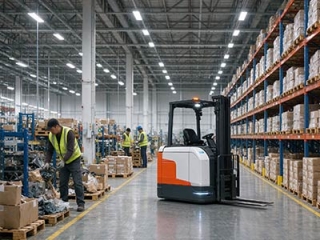 AGV Forklift Fork Alignment Error Causes and Site Working Condition NotesAGV forklifts rely on sensors for auto fork alignment. Positioning is affected by site conditions. Understand alignment logic and control surroundings to reduce failures.
Do you like ?0
Read more -
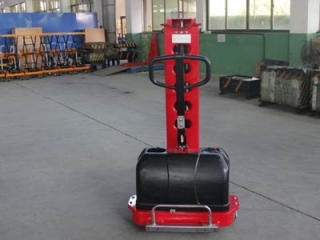 How Does Truck-Mounted Self-Lifting Stacker Work for City DeliveryLight electric self-loading stackers let one driver load pallets inside trucks without tailgates, yet they have limits on load, space and working conditions.
Do you like ?0
Read more