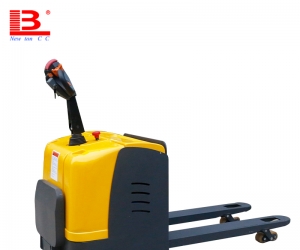
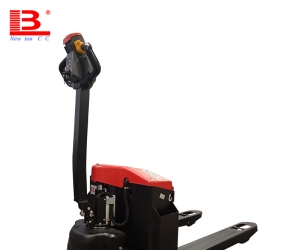
Why Does Stand-on Electric Pallet Truck Have Jerky Steering? Fault Data Analysis
After long-term, high-frequency heavy-duty operation, Stand-on Electric Pallet Truck often suffers from steering sticking, jerky turning and unsmooth steering. This article sorts out the primary causes of Stand-on Electric Pallet Truck Steering Sticking, helping operators identify faults and take timely solutions.
Statistical Distribution of Fault Categories
Statistics from frontline maintenance work orders: Among all steering sticking failures of Stand-on Electric Pallet Truck, mechanical jamming accounts for 76%, while electrical sensor & wiring faults account for 24%. Data source: Maintenance records of over 3,200 stand-on pallet trucks collected by multiple forklift maintenance chains in East China, 2024–2026.
Breakdown of Mechanical Fault Proportions
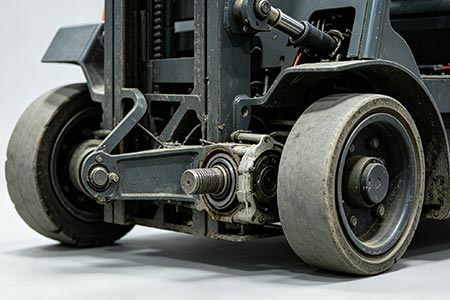
Rusted & under-lubricated steering thrust bearing (41%) > Foreign objects stuck on steering wheels (19%) > Over-tight steering limit adjustment (11%) > Dry friction on spindle pins (5%) Data source: Internal maintenance records of Newnewton after-sales service, covering 472 steering fault tickets from 2024 to 2026.
Common Causes of Premature Bearing Failure
Three major factors leading to early bearing damage: insufficient lubrication (35%), failed sealing allowing dust & moisture intrusion (24%), improper assembly technology (17%). Data source: NKE Bearing Industry Technical Report – Bearing Failure Frequency, July 2026.
Maintenance Impact On Failure Rate
Industry consensus: Monthly greasing for steering mechanisms reduces steering system failure rate by 62%. Vehicles without regular maintenance are highly likely to develop steering sticking within 8–12 months. Data source: White Paper on Preventive Maintenance for Electric Warehouse Logistics Vehicles.
Two Main Categories of Steering Sticking Faults
1. Mechanical Structure Jamming
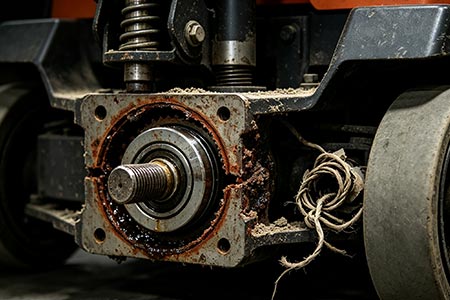
The steering thrust bearing of the Stand-on Electric Pallet Truck gets rusted and worn due to lack of lubrication. Damaged dust boots allow dust and moisture to enter, drying grease and corroding bearing balls. Steering works smoothly with no load but meets sharp resistance under loaded conditions, resulting in jerky movement. Long-term neglected steering spindles and pins cause dry friction, leading to stiff steering, intermittent sticking and abnormal noise. Debris tangled in steering wheels: plastic straps, wood chips and wire trapped between steering wheels and axle restrict wheel swing, creating the illusion of steering failure. Over-adjusted steering limit bolts: hard contact with the frame at maximum turning angle, frequently misjudged as internal component damage. Deformed wheel assemblies or inconsistent load wheel diameters: uneven tire wear causes offset force during travel and increases turning resistance.
2. Electric Control & Steering Electrical Faults
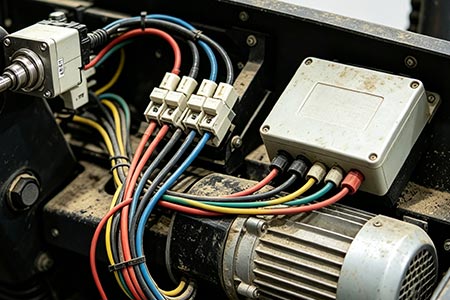
Dust accumulation or aging of steering potentiometer (angle sensor) leads to unstable signal transmission. The controller receives irregular commands, resulting in intermittent power output and jerky steering. Loose or oxidized wiring terminals: poor contact for steering motor and sensor cables causes unstable motor output. Abnormal controller parameters or aging electronic components lead to uneven power output and sticky steering feedback.
Step-by-step Self-inspection Procedure
Cut off power, lift the truck body and clear debris wrapped around steering wheels;
Swing steering wheels manually left and right to check for mechanical hard resistance;
Inspect steering spindles and bearings, replenish long-lasting grease;
Adjust steering limit screws to reserve proper swing clearance and avoid rigid collision;
Power on and test whether sticking disappears;
If mechanical inspection brings no improvement, check steering potentiometer, wiring and steering motor.
Important Reminder
Forcing steering repeatedly while sticking accelerates damage to bearings and steering motors. Stop operation immediately and arrange maintenance once faults occur.
In conclusion, do not overlook steering abnormalities on your Stand-on Electric Pallet Truck. Proper self-inspection and regular maintenance effectively extend forklift service life.
-
 Direct Source Factory for Small Electric Forklifts | NewnewtonBuying forklifts from source factories saves markup and speeds up after-sales service. Check qualifications carefully to distinguish real manufacturers from OEM traders.
Do you like ?0
Read more -
 5 Troubleshooting Reasons for Slow Lifting Speed of Electric ForkliftSlow fork lifting is a common electric forklift fault. Check battery voltage, hydraulic oil, filter, pump and multi-way valve to quickly locate the root cause.
Do you like ?0
Read more -
 Lithium-ion Warehouse Forklift Brands Review, Advantages and DisadvantagesLithium forklift brands vary greatly, including major manufacturers, original factories and dealers. Compare Heli, Hangcha, Noblift, BYD to select models matching your budget.
Do you like ?0
Read more -
 Price Reference of Hydraulic Dock Leveler for Warehouse Loading BayHydraulic dock levelers include fixed and mobile types with large price gaps. Load capacity, steel and hydraulic systems are key factors to consider for procurement.
Do you like ?0
Read more -
 Charging & Storage Taboos for Lithium-ion Double Pallet Electric TruckLithium battery double pallet trucks suffer heavy discharge under load. Follow charging, storage and operation rules to slow cell aging and cut replacement costs.
Do you like ?0
Read more -
 High-level Stacking Safety Notes for Electric Three-way ForkliftThree-way electric forklifts face collision and falling risks in narrow aisles. Follow standard operating procedures for pre-check, traveling, stacking and finishing to ensure warehouse safety.
Do you like ?0
Read more