
Is Stand-On Counterbalance Stacker Suitable For Floors With Height Difference
Many enterprises make mistakes when selecting material handling equipment for workshops and warehouses with uneven floors. Is a counterbalance stacker suitable for floors with height difference? It cannot be applied to all uneven sites directly, and selection should consider the height gap, slope and ground condition comprehensively. The stand-on counterbalance stacker relies on rear counterweight to offset load weight on forks, so it demands a relatively flat floor.
Tiny seams and height gaps of a few millimeters barely affect operation at low speed, and normal stacking tasks can be carried out steadily. If the gap exceeds the acceptable range, or there are steps and sharp ridges, wheels may hang in the air during travel. The weight balance will be broken, cargo may fall off, and rollover risk rises. The impact force also damages axles, tires and hydraulic components, shortening service life.
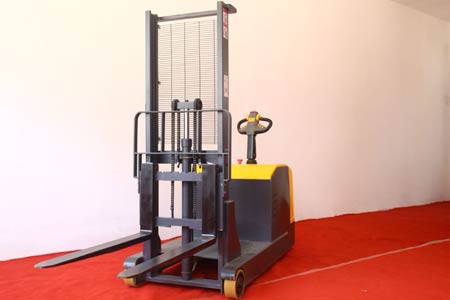
Most stand-on counterbalance stackers are designed for slopes within 5%. Slow travel is allowed on short gentle slopes. Sites with abrupt steps and sharp height changes are not recommended. The preferred solution is to install transition ramps to smooth the sudden height drop.
If ground renovation is unavailable and height difference remains large, off-road stackers or off-road forklifts are better alternatives. They feature higher ground clearance and improved shock absorption for rugged outdoor floors and old workshops.
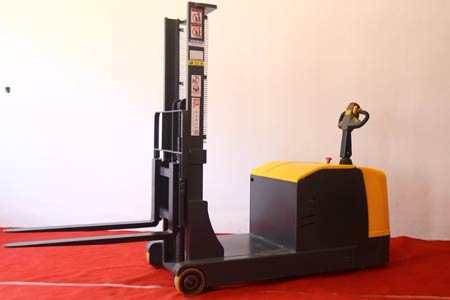
Even on gentle slopes, avoid high-speed travel with full load. Keep cargo facing uphill when climbing or descending, and refrain from sudden braking and sharp turns. Operators need to be familiar with site conditions, mark uneven zones in advance, and inspect tires and chassis regularly for impact damage.
Measure the actual height gap and slope length on site, evaluate renovation possibility, then confirm whether the counterbalance stacker for uneven floor fits your workflow. Send us your site parameters, and we can recommend a proper material handling solution.
-
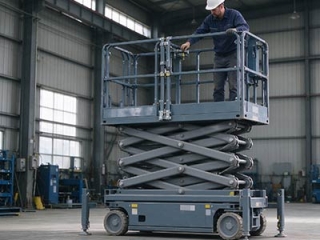 Functions Of Extendable Platform On Self-Propelled Scissor LiftFixed aerial platforms need frequent repositioning. Self-propelled lifts with extending decks expand working reach without moving the machine, ideal for factory piping and high warehouse light maintenance.
Do you like ?0
Read more -
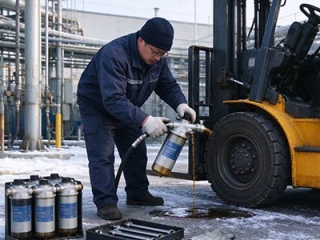 What To Note For Winter Starting Of Internal Combustion ForkliftDiesel forklifts suffer hard starting and rough idling in cold weather due to fuel, battery and lubrication issues. Switch to low-freezing diesel, preheat and inspect batteries, oil and cooling systems.
Do you like ?0
Read more -
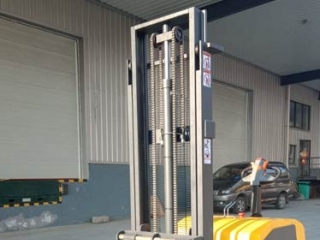 What Are The Benefits Of Free Lift On Stand-On Reach StackerFree lift feature of reach stackers is vital for low-height warehouses. Only forks rise at first without raising the outer mast, avoiding overhead beams for low warehouses and container loading.
Do you like ?0
Read more -
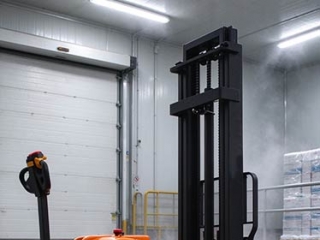 Is Walkie Counterbalance Stacker Suitable For Cold Storage UsePedestrian counterbalance stackers work in cold storage only with low-temp upgrades on electrics, battery, hydraulics and anti-slip tires. Follow cold room rules to avoid condensation and skidding issues.
Do you like ?0
Read more -
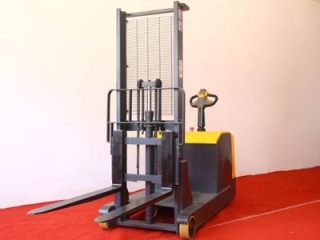 Is Stand-On Counterbalance Stacker Suitable For Floors With Height DifferenceHydraulic oil of manual stackers shall be inspected regularly based on operation frequency. Maintain standard oil level. Replace contaminated oil with 46# anti-wear hydraulic oil and bleed air during oil change.
Do you like ?0
Read more -
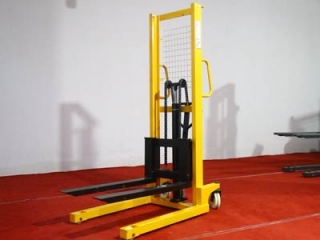 Manual Hydraulic Stacker: Hydraulic Oil Maintenance & Replacement GuideHydraulic oil for manual stackers needs regular checks with no fixed cycle. Check frequency depends on usage. Keep oil level in range; replace dirty oil with 46# anti-wear hydraulic oil and bleed air properly.
Do you like ?0
Read more








