
Manual Hydraulic Stacker: Hydraulic Oil Maintenance & Replacement Guide
Many warehouse managers overlook hydraulic oil maintenance for manual hydraulic stacker in daily upkeep. Does a manual hydraulic stacker need regular oil filling? The answer is yes. If you only check the oil when the forks lift weakly, move jerkily or slide down automatically, stacking work will be interrupted, and the cylinder seals will wear out rapidly.
There is no fixed oil checking cycle for this equipment, which depends mainly on operation frequency. For low-frequency use with no oil leakage, inspect the oil level every six months. For heavy and continuous stacking work, check every three months. Shorten the interval if the working space is dusty, humid or with slight oil seepage.
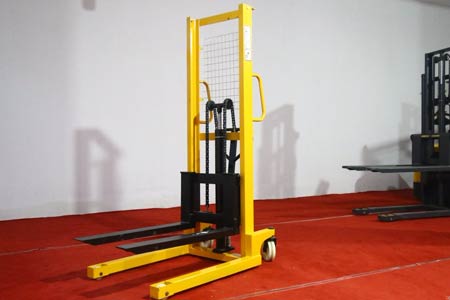
Hydraulic oil level must stay within the standard mark. Too much oil leads to jerky lifting and unstable pressure, while insufficient oil cannot support rated load. Normally, oil replacement is required every 1 to 2 years without leakage. Replace the oil immediately once it turns dark, muddy or contains water and metal debris, which will scratch the cylinder wall and seals and cause persistent leakage.
Use 46# anti-wear hydraulic oil as recommended by the manufacturer. Never mix different oil types, as incompatible additives will accelerate seal aging.
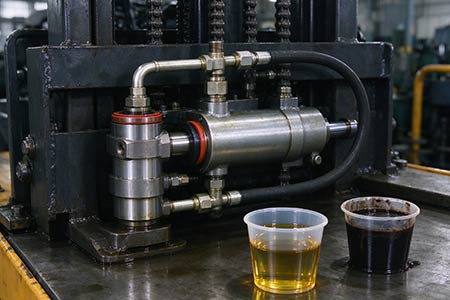
Follow the standard steps for oil replacement. 01 Lower the forks fully to release cylinder pressure, then open the plug of the hydraulic tank. 02 Drain all old oil, clean sediment inside the tank and inspect seals and hose joints for damage. 03 Refill with new hydraulic oil. Pump the handle repeatedly to bleed air, test lifting without load before heavy-duty operation.
With a simple structure, manual hydraulic stacking truck can keep stable stacking performance if you stick to regular hydraulic oil inspection and replacement. Contact us if you need advice on oil grade or oil leakage troubleshooting.
-
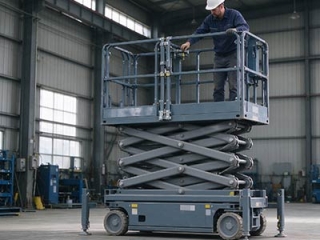 Functions Of Extendable Platform On Self-Propelled Scissor LiftFixed aerial platforms need frequent repositioning. Self-propelled lifts with extending decks expand working reach without moving the machine, ideal for factory piping and high warehouse light maintenance.
Do you like ?0
Read more -
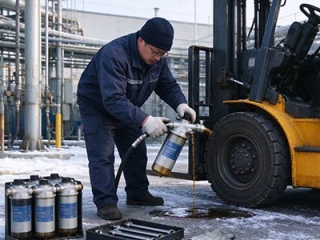 What To Note For Winter Starting Of Internal Combustion ForkliftDiesel forklifts suffer hard starting and rough idling in cold weather due to fuel, battery and lubrication issues. Switch to low-freezing diesel, preheat and inspect batteries, oil and cooling systems.
Do you like ?0
Read more -
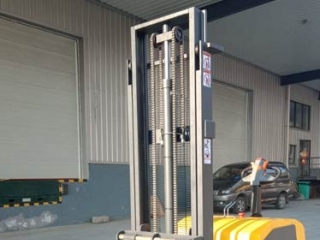 What Are The Benefits Of Free Lift On Stand-On Reach StackerFree lift feature of reach stackers is vital for low-height warehouses. Only forks rise at first without raising the outer mast, avoiding overhead beams for low warehouses and container loading.
Do you like ?0
Read more -
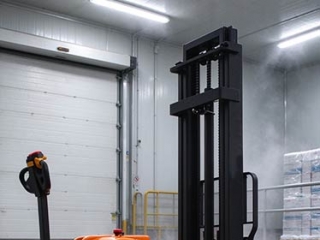 Is Walkie Counterbalance Stacker Suitable For Cold Storage UsePedestrian counterbalance stackers work in cold storage only with low-temp upgrades on electrics, battery, hydraulics and anti-slip tires. Follow cold room rules to avoid condensation and skidding issues.
Do you like ?0
Read more -
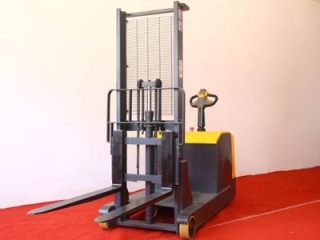 Is Stand-On Counterbalance Stacker Suitable For Floors With Height DifferenceHydraulic oil of manual stackers shall be inspected regularly based on operation frequency. Maintain standard oil level. Replace contaminated oil with 46# anti-wear hydraulic oil and bleed air during oil change.
Do you like ?0
Read more -
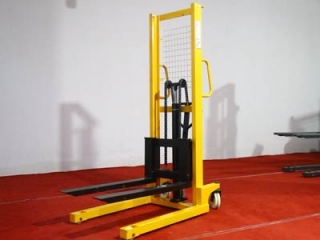 Manual Hydraulic Stacker: Hydraulic Oil Maintenance & Replacement GuideHydraulic oil for manual stackers needs regular checks with no fixed cycle. Check frequency depends on usage. Keep oil level in range; replace dirty oil with 46# anti-wear hydraulic oil and bleed air properly.
Do you like ?0
Read more








