

Small electric forklifts have oil leakage, and the reasons are complicated. Here are a few reasons: installation problems; material problems; seals aging; vibration, corrosion, pressure difference, improper use and maintenance of pipelines.
How do I know the specific reason? First, check the oil leakage location. Oil leakage at the pipe joints may be improper installation and need to be tightened. Or check the oil cylinder for leaks caused by quality problems such as cracks. In addition, check whether the piston rod of the cylinder is worn or not, and whether it has burrs. Whether it is overused, small electric forklifts work for a long time, and the pressure caused by overuse will cause oil leakage.
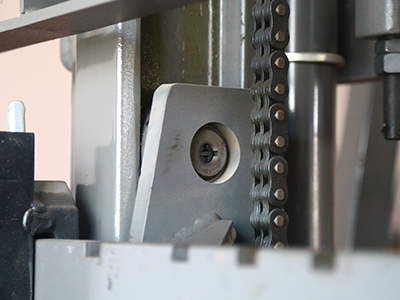
There will also be oil leakage at the interface where the seal is aging and damaged, and the seal must be replaced. In fact, more than 80% of the oil leakage may be caused by the aging of the seals. If the small electric forklift with aging seals is used for more than three years, the plasticizer of the seals loses its elasticity, and some serious even cracks. . Of course, in general, we will not find the seal cracks when we use the car. Frequent maintenance and inspection will find the problem early and replace the seal in time.
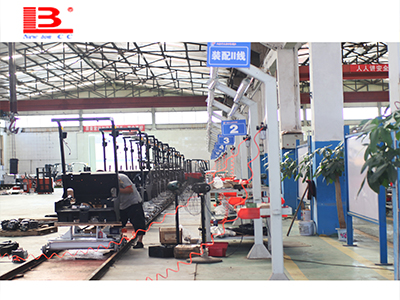
Warehouse forklift manufacturers remind you to do the maintenance of small electric forklifts to effectively avoid oil leakage, and the hydraulic oil should be replaced regularly. To replace the hydraulic oil is to drain the hydraulic oil in the oil pump, take out the oil filter, clean it, and compress it. Clean the air, install it back in place, and connect the pipeline. The hydraulic oil must be new, otherwise the old hydraulic oil will cause the lifting parts of the hydraulic system to wear. After changing the hydraulic oil, you must carefully check whether the pipeline is damaged and the joints are tightly connected. Remember that the components must not be damaged and the connection joints must be tight.
-
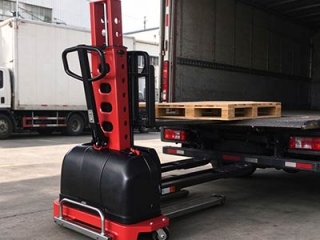 Operation Notes for Electric Self-elevating Truck | Truck Mounted Forklift SafetTruck-mounted self-loading forklifts fixed on truck tails handle cargo without loading docks. Control load and cargo gravity, inspect equipment and avoid soft slopes to prevent tipping and falling goods.
Do you like ?0
Read more -
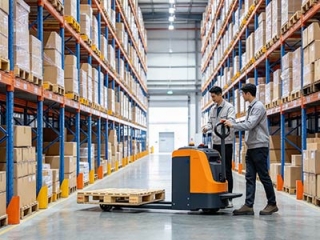 Warehouse Double Pallet Truck vs Standard Pallet JackDouble pallet jacks differ greatly from standard models in applicable working conditions. Double pallet jacks deliver higher handling efficiency but require wider aisles and better floors, while ordinary jacks are compact and cost-effective for general wa
Do you like ?0
Read more -
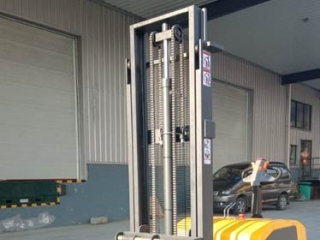 Stand-on Reach Stacker Pros & Cons for Narrow Aisle High-rack WarehousingStand-on reach stackers suit dense narrow-aisle warehouses with a movable mast and 6-meter maximum lifting height. They boost storage capacity but feature complex structures, higher maintenance costs and stricter floor requirements.
Do you like ?0
Read more -
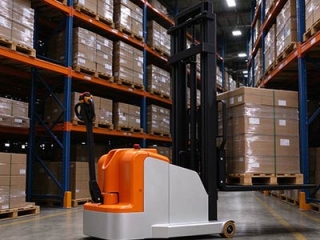 Walk-behind Counterbalance Stacker Wholesale Cost & Warehouse Buying GuideStand-on reach stackers suit dense narrow-aisle warehouses with a movable mast and 6-meter maximum lifting height. They boost storage capacity but feature complex structures, higher maintenance costs and stricter floor requirements.
Do you like ?0
Read more -
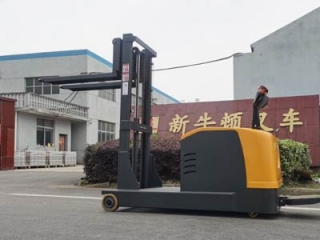 Legless Stand-on Counterbalance Stacker Minimum Stacking Aisle Parameter GuideStand-on counterbalance stackers rely on counterweights for stability without support legs. Its right-angle stacking aisle ranges from 1900mm to 2200mm, requiring reasonable spacing planning for safe operation.
Do you like ?0
Read more -
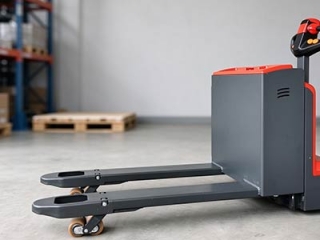 Narrow Aisle Walkie Electric Pallet Jack Wheel Replacement StepsTire wear of pedestrian electric pallet trucks in narrow aisles easily causes slipping and shelf collision issues. Standardize the full tire replacement process and maintenance steps to ensure stable operation.
Do you like ?0
Read more








