
How many steering methods are there for small electric forklifts?
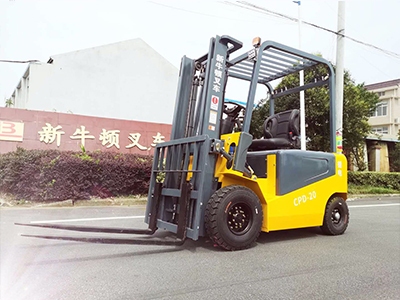
There are two types of small electric forklifts: hydraulic steering and electronic steering. Hydraulic steering is a steering method driven by hydraulic pressure, and electronic steering is a steering realized by an electronic induction control motor.
Which steering method is better? The following electric forklift manufacturers will take everyone to analyze:
In terms of steering flexibility, electronic steering is even better. Small electric forklifts have faster electronic steering and can also be electrically reset. This function automatically resets the angle of the wheels to straight every time you stop or turn on the wheel. Hydraulic steering is more controllable, but it is not as flexible as electronic steering. The electronic steering reduces the driver's operating force, the steering operation is more labor-saving, and the advantages of flexible steering can be reflected in the various operating links of small electric forklifts, turning, accelerating, etc., electronic steering can also be well adapted to the operation.
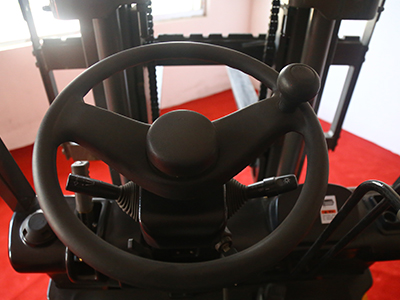
In terms of service life, the hardware loss of electronic steering is minimal, and it is a better choice whether it is for the driving wheel, the steering wheel, or the rotating shaft. Electronic steering is the steering achieved by the assisted wheels of the booster, which can effectively reduce the number of steering wheel revolutions and can also reduce the wear of the wheels. However, hydraulic steering requires fast and forceful rotation of the steering wheel many times. This operation is undoubtedly detrimental to related parts.
During driving, electronic power steering is more adaptable to the driving speed of small electric forklifts. The higher the vehicle speed, the lower the steering power. The hydraulic steering does not have this function, it tests the driver's technique and mental power. During driving, the driver must be highly concentrated, and the direction control must be strong and precise when driving fast. This is a test for the driver's physical and mental quality.
-
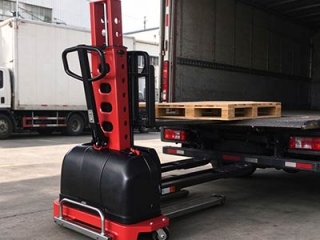 Operation Notes for Electric Self-elevating Truck | Truck Mounted Forklift SafetTruck-mounted self-loading forklifts fixed on truck tails handle cargo without loading docks. Control load and cargo gravity, inspect equipment and avoid soft slopes to prevent tipping and falling goods.
Do you like ?0
Read more -
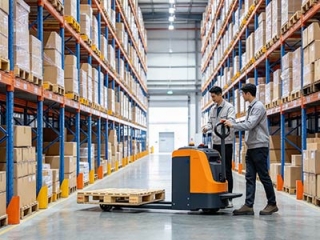 Warehouse Double Pallet Truck vs Standard Pallet JackDouble pallet jacks differ greatly from standard models in applicable working conditions. Double pallet jacks deliver higher handling efficiency but require wider aisles and better floors, while ordinary jacks are compact and cost-effective for general wa
Do you like ?0
Read more -
 Stand-on Reach Stacker Pros & Cons for Narrow Aisle High-rack WarehousingStand-on reach stackers suit dense narrow-aisle warehouses with a movable mast and 6-meter maximum lifting height. They boost storage capacity but feature complex structures, higher maintenance costs and stricter floor requirements.
Do you like ?0
Read more -
 Walk-behind Counterbalance Stacker Wholesale Cost & Warehouse Buying GuideStand-on reach stackers suit dense narrow-aisle warehouses with a movable mast and 6-meter maximum lifting height. They boost storage capacity but feature complex structures, higher maintenance costs and stricter floor requirements.
Do you like ?0
Read more -
 Legless Stand-on Counterbalance Stacker Minimum Stacking Aisle Parameter GuideStand-on counterbalance stackers rely on counterweights for stability without support legs. Its right-angle stacking aisle ranges from 1900mm to 2200mm, requiring reasonable spacing planning for safe operation.
Do you like ?0
Read more -
 Narrow Aisle Walkie Electric Pallet Jack Wheel Replacement StepsTire wear of pedestrian electric pallet trucks in narrow aisles easily causes slipping and shelf collision issues. Standardize the full tire replacement process and maintenance steps to ensure stable operation.
Do you like ?0
Read more








