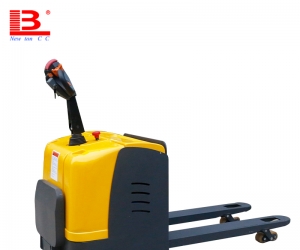
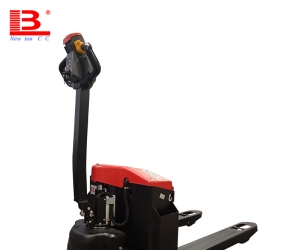
DC vs AC Drive for Walk-behind Lithium Pallet Truck Principle Introduction
When purchasing walk-behind pallet trucks with electric drive, many buyers want to know about drive modes of walk-behind electric pallet jack. Different drive systems directly affect power performance, climbing ability and service life of the equipment. This article introduces two major drive principles and features of lithium pallet trucks to help you complete pre-purchase research.
DC drive system The DC drive system gets power from a DC motor. The motor has simple structure and uncomplicated control circuits, bringing lower procurement cost of the whole machine. DC motors feature fast start response and stable operation under light load transport, suitable for small and medium warehouses with intermittent operation and short daily working hours. It also has obvious drawbacks. The built-in carbon brushes inside the motor tend to wear out during long continuous work, requiring regular inspection and replacement. It needs more frequent maintenance. The motor will heat up obviously under continuous heavy load climbing.
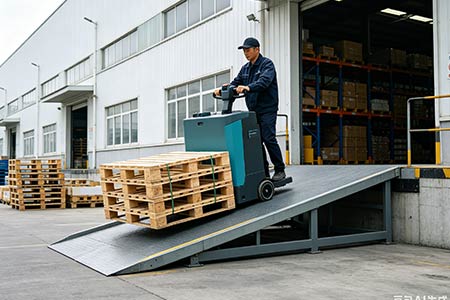
AC drive system The AC drive system adopts an AC asynchronous motor without carbon brush structure. The motor has few wearing parts, greatly cutting daily maintenance workload. AC motors deliver stronger power output with smooth start and better climbing performance. It has superior heat resistance for long-hour continuous operation, ideal for high-frequency and long-time warehouse transport tasks. The complete drive controller costs more, so the whole machine price of lithium walk-behind pallet truck with AC drive is higher than DC version.
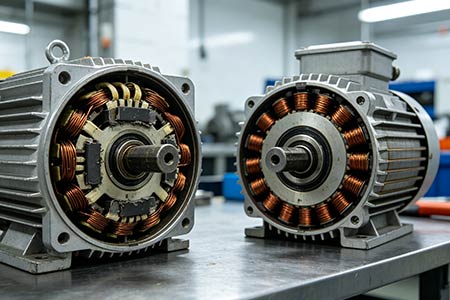
Selection reference points For light load, intermittent use and limited budget, DC drive model is the preferred option. If the factory needs long continuous daily operation, ramp transport and less maintenance work, the AC drive version is recommended.
Besides drive types, buyers should also pay attention to lithium battery specifications during purchase. Battery quality directly affects power supply stability of the drive system.
In summary, when selecting lithium battery walk-behind pallet truck, learning about drive systems helps you fully consider cost performance and long-term cost benefits to make sensible purchasing decisions.
-
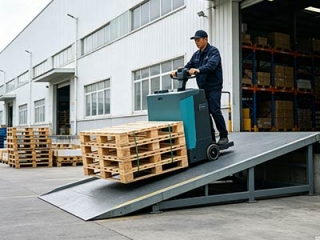 DC vs AC Drive for Walk-behind Lithium Pallet Truck Principle IntroductionWalk-behind electric pallet trucks have DC and AC drives affecting power and lifespan. DC costs less while AC offers stronger climbing and longer service.
Do you like ?0
Read more -
 Risks of Using Manual Pallet Jack on Ramps & Safety TipsManual pallet trucks carry safety risks on ramps. They are only for slopes within 5%. Control load and operation, and avoid slippery steep slopes.
Do you like ?0
Read more -
 5 Practical Features of Walk-behind Counterbalance Stacker for Narrow WarehouseWalk-behind counterbalance stackers have no front outriggers. Compact for narrow aisles, they handle various pallets with stable lithium battery power.
Do you like ?0
Read more -
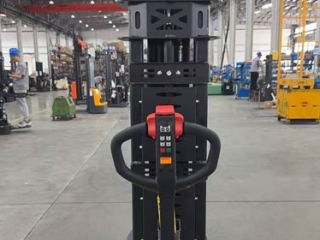 3 Steps to Troubleshoot Lifting System of Self-loading Truck ForkliftElectric self-loading stackers suffer lifting faults from bumps. Check power supply, hydraulic lines and control valves for quick basic troubleshooting.
Do you like ?0
Read more -
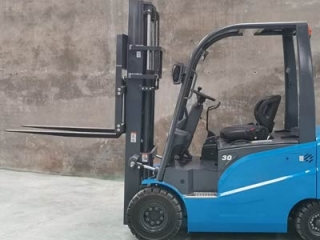 3 Ton Diesel Forklift Market Price & Influencing Factors3 ton diesel forklifts serve outdoor heavy loads. Its price relates to mast, engine and attachments. Distinguish bare unit price and check emission standards.
Do you like ?0
Read more -
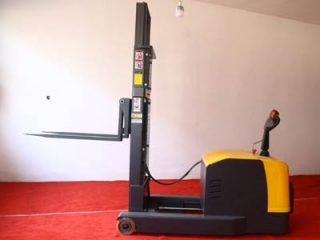 4 Core Differences Between Reach and Counterbalance Electric StackersRide-on reach stackers and counterbalance stackers differ in aisle, high-lift performance and maintenance. Select models by warehouse and pallet parameters.
Do you like ?0
Read more