Can manual pallet jack work on slopes? Many factories and warehouses have ramps or unloading inclines. Operators often use manual pallet truck to move loads up and down the slopes directly, yet this practice carries significant safety risks. The manual pallet jack is mainly designed for cargo transport on flat floors. Ramp operation comes with strict limitations, and heavy loads should never be moved on steep slopes casually.
Control proper gradient, avoid steep ramps The manual hydraulic pallet truck is only suitable for gentle low slopes, and the generally recommended gradient should not exceed 5%. When the slope is too steep, the cargo center of gravity shifts, which may cause pallet sliding or vehicle tipping over. Do not use manual pallet jack for cargo transport on steep slopes; select other handling equipment instead.
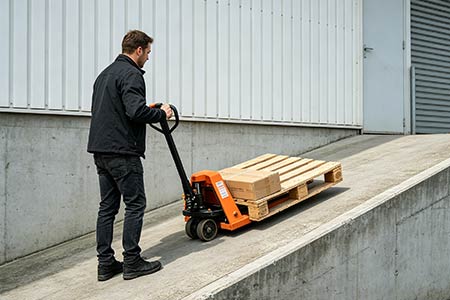
Reduce load weight to ease pressure on slopes When working on slopes, reduce cargo load properly and avoid uphill travel with full load. Under full load condition, wheel grip decreases and pushing becomes laborious. Unstable force may lead to forward cargo collapse and cause injury to operators.
Follow correct moving direction, never stand in front of loads When going uphill, operators should stand behind the manual pallet jack and push slowly. When going downhill, hold the pallet jack firmly to control sliding speed. Do not stand between forks and cargo to prevent being squeezed by sliding goods. Never release hands quickly downhill to avoid runaway equipment.
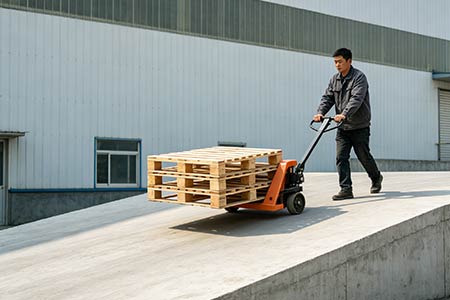
Inspect wheels and ground conditions in advance Check wheel wear before operation. Heavily worn wheels have weaker anti-slip performance and tend to slip easily on slopes. Ramps must be free of oil stains and water. Do not carry out cargo transport on slippery ground with reduced friction.
For long or steep ramps, plan alternative routes instead of forcing the manual hydraulic pallet truck to work. Heavy cargo handling on slopes involves high risks. Electric pallet jack or other slope-suitable equipment is recommended to protect the safety of operators and goods. If you have any questions about manual pallet jack, feel free to contact us for support.
-
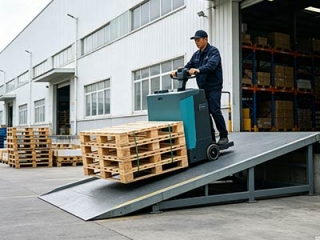 DC vs AC Drive for Walk-behind Lithium Pallet Truck Principle IntroductionWalk-behind electric pallet trucks have DC and AC drives affecting power and lifespan. DC costs less while AC offers stronger climbing and longer service.
Do you like ?0
Read more -
 Risks of Using Manual Pallet Jack on Ramps & Safety TipsManual pallet trucks carry safety risks on ramps. They are only for slopes within 5%. Control load and operation, and avoid slippery steep slopes.
Do you like ?0
Read more -
 5 Practical Features of Walk-behind Counterbalance Stacker for Narrow WarehouseWalk-behind counterbalance stackers have no front outriggers. Compact for narrow aisles, they handle various pallets with stable lithium battery power.
Do you like ?0
Read more -
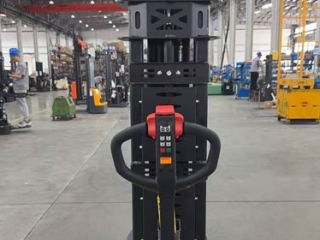 3 Steps to Troubleshoot Lifting System of Self-loading Truck ForkliftElectric self-loading stackers suffer lifting faults from bumps. Check power supply, hydraulic lines and control valves for quick basic troubleshooting.
Do you like ?0
Read more -
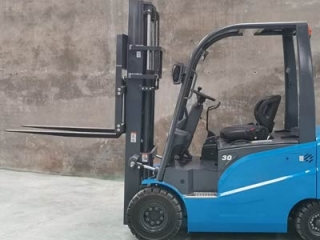 3 Ton Diesel Forklift Market Price & Influencing Factors3 ton diesel forklifts serve outdoor heavy loads. Its price relates to mast, engine and attachments. Distinguish bare unit price and check emission standards.
Do you like ?0
Read more -
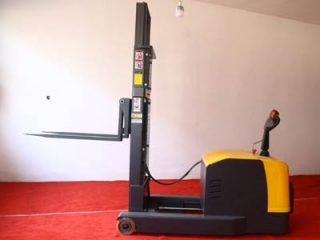 4 Core Differences Between Reach and Counterbalance Electric StackersRide-on reach stackers and counterbalance stackers differ in aisle, high-lift performance and maintenance. Select models by warehouse and pallet parameters.
Do you like ?0
Read more