Indoor Operation Specifications for Manual Hydraulic Trucks: Just 2 Rules
Factories and enterprises using manual hydraulic trucks must pay attention to the safety of both goods and workers. This is why we need to clarify the indoor operation specifications for manual hydraulic trucks. With standardized and safe operation, you can improve efficiency while avoiding major accidents.
Although there are many detailed rules for safe operation, the two core points are simple but often overlooked: go slow and load stable.
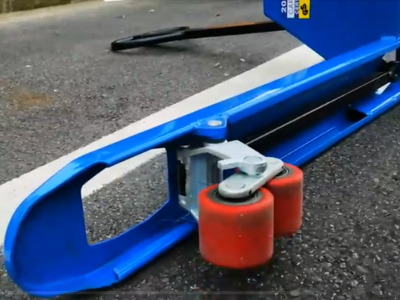
Going slow means you should drive at a low speed and avoid rushing.Since manual hydraulic trucks rely entirely on human control, braking and steering take time to react. Especially when loaded, the weight is significant, and the machine cannot be maneuvered flexibly. Operating too fast can easily lead to mistakes, cargo damage, or even personal injury.
Manual trucks have no protective structure. High speed not only endangers the operator but also risks hitting others. Accidental impacts on walls or corners can damage the truck, the cargo, and the floor, and the operator may injure arms or legs from force reaction.
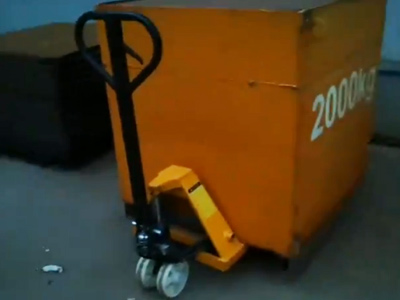
Loading stable means keeping the cargo’s center of gravity balanced and never overloading.Overloading causes serious wear to the hydraulic system and forks, directly shortening the service life of the truck.Offset loading can lead to tipping or tilting, which is extremely dangerous. Cargo may also fall off if the forks are not fully inserted.
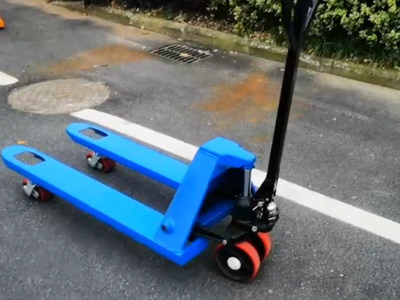
By now, you should have a clearer understanding of manual hydraulic truck operation.Although this truck looks simple and fully controllable, accidents can still happen if you ignore details.
Therefore, operators must stay careful, fully understand the indoor operation specifications for manual hydraulic trucks, and avoid injuries and cargo damage.
-
 How to Fix Hard Starting of Industrial Diesel Forklift in WinterFuel forklifts struggle to start in cold winter. Check fuel, lubrication, battery and preheating parts, use suitable oil and pre-inspect to avoid damage.
Do you like ?0
Read more -
 Load Capacity Specs of Ride-on Double Pallet StackerRider double pallet stacker carries two pallets. Note load capacity deration at height, aisle width, fork size and battery type for safe operation.
Do you like ?0
Read more -
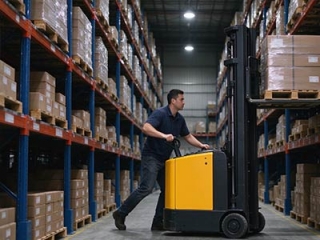 Electric Walk-behind Stacker from Stacker Manufacturing FactoryCompact electric walkie stacker works in narrow aisles. Lithium or lead acid battery available. Newnewton supplies OEM, CE certified units for domestic and export orders.
Do you like ?0
Read more -
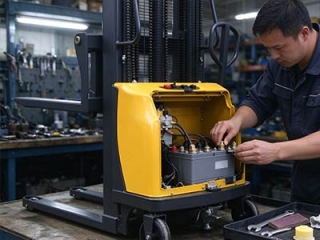 What To Do When Semi-Electric Stacker Runs Out of PowerSemi-electric stacker suddenly power off? Troubleshoot battery, wiring and switches. Follow safe emergency lowering steps and regular battery maintenance.
Do you like ?0
Read more -
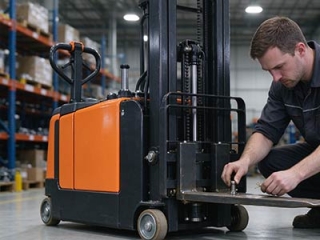 Manual Hydraulic Stacker Repair: 5 Worn Parts & Maintenance TipsManual hydraulic stackers wear fast under frequent use. Learn inspection for 5 vulnerable parts to prevent breakdowns and keep warehouse operations stable.
Do you like ?0
Read more -
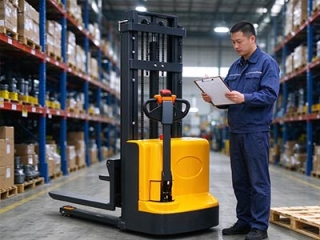 Do You Need a Forklift License for Walk-behind Electric StackerNot all electric walkie stackers require forklift licenses. Check nameplate specs against the special equipment catalog; internal training is mandatory for non-regulated models.
Do you like ?0
Read more