Manual Hydraulic Stacker Repair: 5 Worn Parts & Maintenance Tips
Regular inspection of key components can prevent sudden breakdowns for your manual hydraulic stacker repair. Frequent cargo handling in warehouses causes friction and pressure on many parts. We sort out five easily damaged parts and core maintenance suggestions.
Hydraulic cylinder and oil seal Oil seals are the main leakage point. Check the cylinder surface for oil seepage regularly. Oil leakage usually comes from aging or worn seals. Replace seals of the same specification and clean the cylinder wall before installation. Insufficient hydraulic oil will lead to weak lifting, so check the oil level and add matched hydraulic oil as needed.
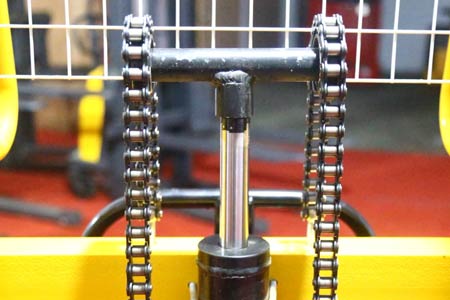
Pressure relief valve core The valve core controls the lowering movement. Dust and impurities inside may cause stuck lowering, failure to lock or spontaneous descent. Disassemble and clean impurities, check whether the spring is deformed or fatigued. Replace weak springs and adjust pressure to avoid unexpected dropping of loads.
Wheel assembly, including load wheels and steering wheels Wheels keep direct contact with the ground. Metal scraps may stick to wheels and result in cracking, stuck bearings and abnormal noise. Clean debris around wheels routinely. Replace wheels when grooves wear flat or bearings shake obviously. Stuck wheels increase labor effort and burden the hydraulic system.
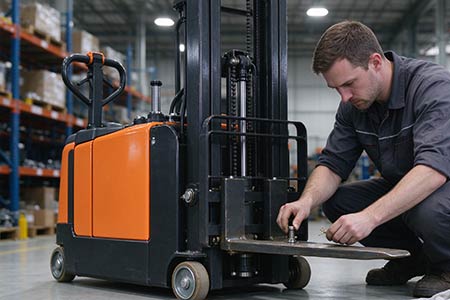
Handle control valve assembly Frequent operation may bend or loosen connecting rods and thimbles, causing unresponsive or poor rebound. Tighten loose pins, correct deformed rods and apply a small amount of grease on hinge points. Too much grease will attract dust.
Forks and connecting pins Forks bear heavy loads repeatedly. Worn pins will lead to loose and tilted forks. Check pin wear and split pins frequently. Replace overworn pins immediately. Stop using the stacker if forks have cracks or bending deformation to avoid cargo falling.
Periodic checks help fix minor faults early, extend the service life of hand push hydraulic lift stacker, and reduce downtime losses. Contact us for original spare parts or complicated fault support.
-
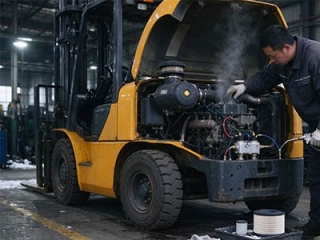 How to Fix Hard Starting of Industrial Diesel Forklift in WinterFuel forklifts struggle to start in cold winter. Check fuel, lubrication, battery and preheating parts, use suitable oil and pre-inspect to avoid damage.
Do you like ?0
Read more -
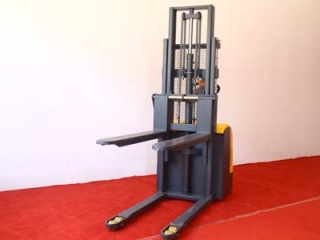 Load Capacity Specs of Ride-on Double Pallet StackerRider double pallet stacker carries two pallets. Note load capacity deration at height, aisle width, fork size and battery type for safe operation.
Do you like ?0
Read more -
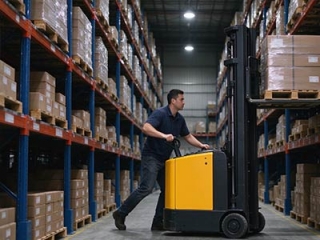 Electric Walk-behind Stacker from Stacker Manufacturing FactoryCompact electric walkie stacker works in narrow aisles. Lithium or lead acid battery available. Newnewton supplies OEM, CE certified units for domestic and export orders.
Do you like ?0
Read more -
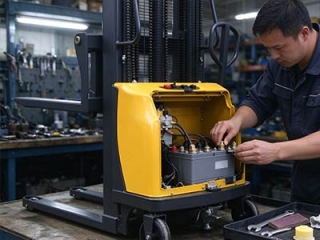 What To Do When Semi-Electric Stacker Runs Out of PowerSemi-electric stacker suddenly power off? Troubleshoot battery, wiring and switches. Follow safe emergency lowering steps and regular battery maintenance.
Do you like ?0
Read more -
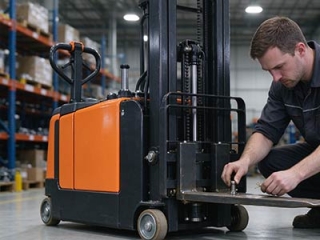 Manual Hydraulic Stacker Repair: 5 Worn Parts & Maintenance TipsManual hydraulic stackers wear fast under frequent use. Learn inspection for 5 vulnerable parts to prevent breakdowns and keep warehouse operations stable.
Do you like ?0
Read more -
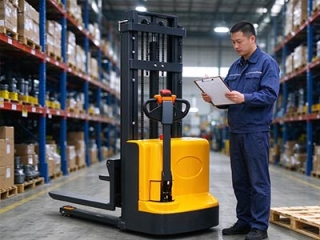 Do You Need a Forklift License for Walk-behind Electric StackerNot all electric walkie stackers require forklift licenses. Check nameplate specs against the special equipment catalog; internal training is mandatory for non-regulated models.
Do you like ?0
Read more