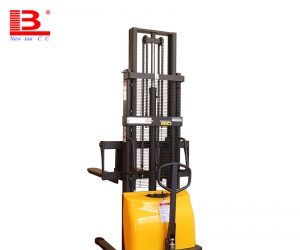
Many operators do not know what to do when semi-electric stacker runs out of power suddenly during warehouse work. You need to tell apart battery exhaustion or faults on circuits and switches, and follow proper troubleshooting steps to prevent equipment damage.
A semi-electric stacker uses electricity for lifting and manual pushing for travel. When power cuts off, the forks usually cannot lower automatically, which is a frequent trouble on site.
Check the power indicator light first. If the light is completely off, the battery is likely drained. Stop lifting operations at once and push the stacker to a safe area. Do not keep pressing lift buttons to avoid burning the controller.
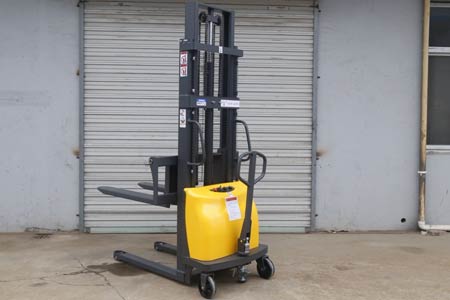
If the battery is simply flat, turn off the main power switch and charge it with the original charger. Place it in a ventilated and dry area away from sundries. Never charge in damp warehouses or open rainy places. Follow the recommended charging time. Lead-acid batteries shall not be overcharged for a long time, and lithium batteries should not be stored in under-voltage status. Test lifting functions after charging finishes.
If the machine still has no power after charging, check other components. Inspect battery terminals for looseness, oxidation or burn marks. Fasten loose connectors and clean heavily oxidized contact surfaces. Check the key switch and emergency stop button. The stacker will lose power if the emergency stop is locked. Rotate it clockwise for reset.
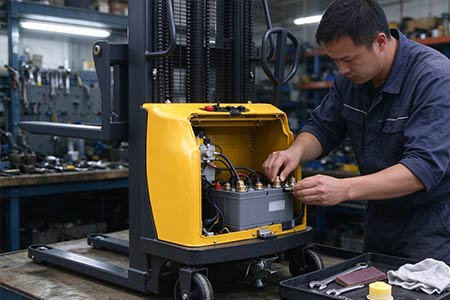
Check the built-in fuse. Replace a blown fuse with one of the same specification; never use a higher-rated fuse. Worn broken wires or faulty controllers should only be repaired by professional after-sales teams. For emergency unloading, some semi-electric hydraulic stacker is equipped with a manual pressure relief valve. Release pressure slowly and stay clear under the forks to avoid falling cargo. Do not operate the valve without proper training.
Routine battery maintenance helps avoid unexpected power loss. Check power level before and after shifts, and recharge after heavy-duty work. Follow battery maintenance rules and inspect wiring terminals regularly to reduce sudden power failure risks.
-
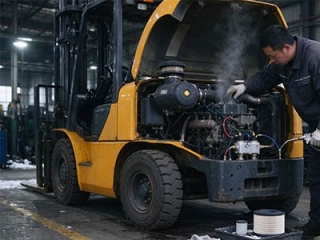 How to Fix Hard Starting of Industrial Diesel Forklift in WinterFuel forklifts struggle to start in cold winter. Check fuel, lubrication, battery and preheating parts, use suitable oil and pre-inspect to avoid damage.
Do you like ?0
Read more -
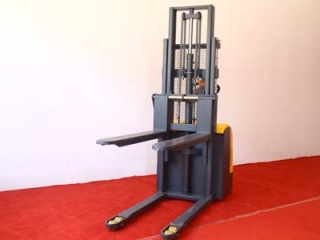 Load Capacity Specs of Ride-on Double Pallet StackerRider double pallet stacker carries two pallets. Note load capacity deration at height, aisle width, fork size and battery type for safe operation.
Do you like ?0
Read more -
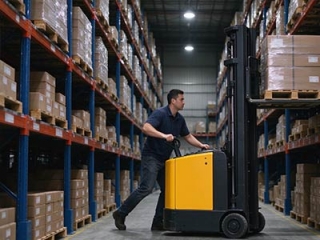 Electric Walk-behind Stacker from Stacker Manufacturing FactoryCompact electric walkie stacker works in narrow aisles. Lithium or lead acid battery available. Newnewton supplies OEM, CE certified units for domestic and export orders.
Do you like ?0
Read more -
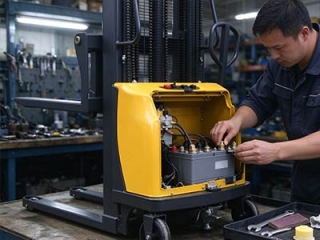 What To Do When Semi-Electric Stacker Runs Out of PowerSemi-electric stacker suddenly power off? Troubleshoot battery, wiring and switches. Follow safe emergency lowering steps and regular battery maintenance.
Do you like ?0
Read more -
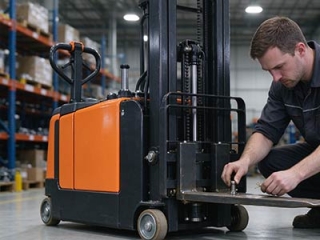 Manual Hydraulic Stacker Repair: 5 Worn Parts & Maintenance TipsManual hydraulic stackers wear fast under frequent use. Learn inspection for 5 vulnerable parts to prevent breakdowns and keep warehouse operations stable.
Do you like ?0
Read more -
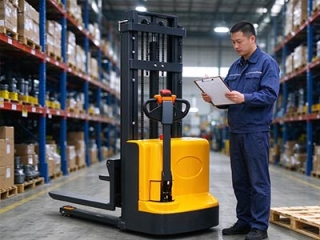 Do You Need a Forklift License for Walk-behind Electric StackerNot all electric walkie stackers require forklift licenses. Check nameplate specs against the special equipment catalog; internal training is mandatory for non-regulated models.
Do you like ?0
Read more