Working Principle of Manual Hydraulic Pallet Truck | Full Explanation
Many users are curious about the mechanism that makes manual hydraulic pallet trucks so light and labor-saving. Understanding the working principle of manual hydraulic pallet truck and its core hydraulic system will help you realize why it can easily lift hundreds of kilograms or even several tons of cargo, and also improve your daily operation and maintenance.
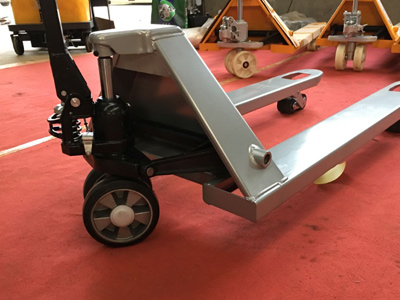
The core power of a manual hydraulic pallet truck comes from its hydraulic transmission system. Simply put, it uses the incompressible physical property of liquid to amplify small manual force into strong lifting power through hydraulic oil, similar to the lever principle.
The working principle of the hydraulic system can be divided into three steps:
First, when pumping the handle, the manual oil pump transfers force to the hydraulic oil. The small cylinder continuously pushes oil into the large cylinder, creating high pressure to push the piston upward.
Second, the high-pressure oil lifts the forks, raising the cargo smoothly. This is the key reason why operation feels effortless.
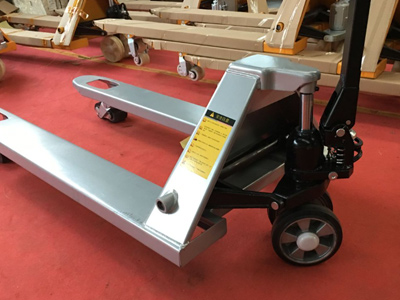
Third, when lowering is needed, gently open the pressure relief valve. The hydraulic oil flows back to the oil tank, pressure drops, and the forks slowly lower under gravity.
Besides the core hydraulic system, components such as cylinders, seals, oil pumps and relief valves work together for stable performance. This truck features simple structure, low failure rate, no electricity or fuel required. It only relies on human power and hydraulics to complete handling and lifting, which is why it is widely used in workshops, warehouses, supermarkets and logistics sites.
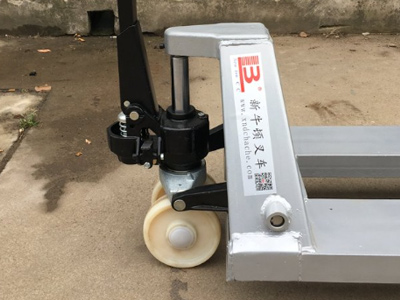
In short, the working principle of manual hydraulic pallet truck is not complicated. Its core is a stable and reliable small hydraulic system. Understanding the working principle of hydraulic system helps you operate better, quickly diagnose issues such as slow lifting, oil leakage or failure to lift, reduce maintenance costs and extend service life.
-
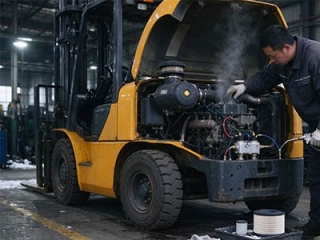 How to Fix Hard Starting of Industrial Diesel Forklift in WinterFuel forklifts struggle to start in cold winter. Check fuel, lubrication, battery and preheating parts, use suitable oil and pre-inspect to avoid damage.
Do you like ?0
Read more -
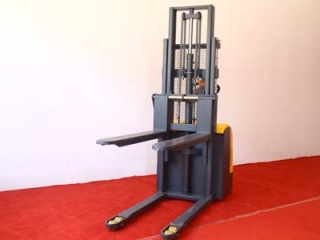 Load Capacity Specs of Ride-on Double Pallet StackerRider double pallet stacker carries two pallets. Note load capacity deration at height, aisle width, fork size and battery type for safe operation.
Do you like ?0
Read more -
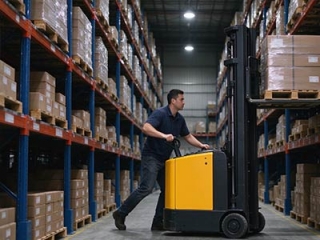 Electric Walk-behind Stacker from Stacker Manufacturing FactoryCompact electric walkie stacker works in narrow aisles. Lithium or lead acid battery available. Newnewton supplies OEM, CE certified units for domestic and export orders.
Do you like ?0
Read more -
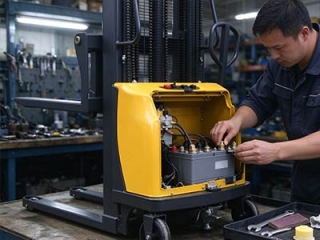 What To Do When Semi-Electric Stacker Runs Out of PowerSemi-electric stacker suddenly power off? Troubleshoot battery, wiring and switches. Follow safe emergency lowering steps and regular battery maintenance.
Do you like ?0
Read more -
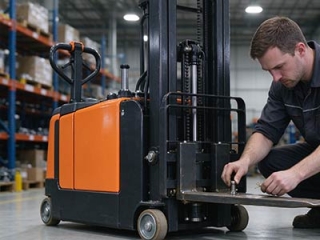 Manual Hydraulic Stacker Repair: 5 Worn Parts & Maintenance TipsManual hydraulic stackers wear fast under frequent use. Learn inspection for 5 vulnerable parts to prevent breakdowns and keep warehouse operations stable.
Do you like ?0
Read more -
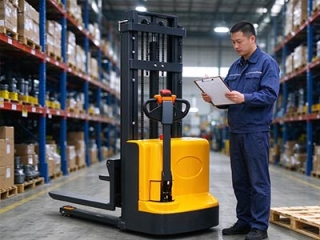 Do You Need a Forklift License for Walk-behind Electric StackerNot all electric walkie stackers require forklift licenses. Check nameplate specs against the special equipment catalog; internal training is mandatory for non-regulated models.
Do you like ?0
Read more