Manual Stacker Selection Parameter Standards | Complete Buying Guide
Warehouse managers and procurement supervisors can avoid costly wrong purchases by reading this complete guide covering Manual Stacker Selection Parameter Standards. We break down core specs including load capacity, mast height and chassis style to help you select cost-effective Manual Hydraulic Stacker models matching your budget and working conditions.
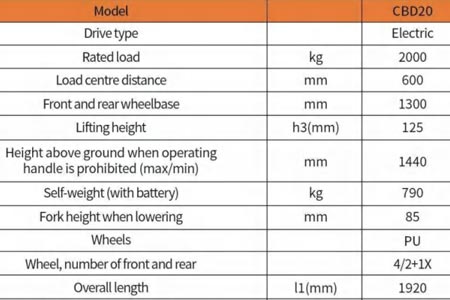
1. Rated Load Capacity (Primary Selection Index)
Three mainstream standard capacities are widely available: 1 ton, 1.5 ton and 2 ton. Always reserve a 20%–30% safety load margin; long-term full-limit operation easily causes mast bending, hydraulic cylinder pressure loss and cracked forks.
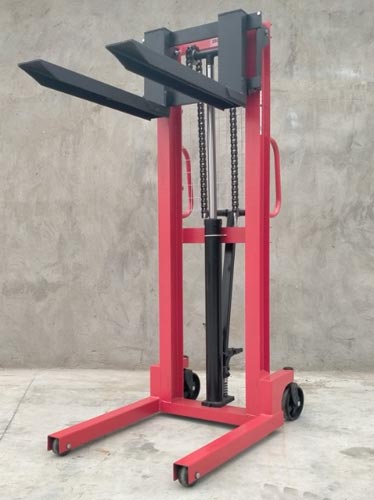
1-ton lightweight model: Light body, labor-saving operation and low price. Perfect for small retail shops, mini e-commerce warehouses and light carton loads under 800kg, suitable for temporary daily restocking.
1.5-ton general-purpose model: Reinforced whole frame, thickened mast and hydraulic cylinder, stably handling loads up to 1.2 tons. The most popular option for factory workshops, medium e-commerce warehouses and hardware storage, balancing durability and cost performance.
2-ton heavy-duty model: Fully upgraded thick steel frame and oversized hydraulic components, engineered for heavy palletized hardware and building materials. No permanent deformation under long-duration full loads, ideal for industrial heavy-load yards.
2. Mast Lifting Height Specifications
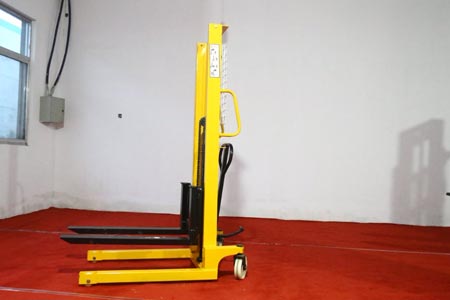
Two main mast types for Manual Hydraulic Stacker: single-stage mast and two-stage telescopic mast.
Single-stage mast: Choose for racks under 1.6m or ground temporary stacking. Simple structure with zero maintenance cost, matching compact low-ceiling storage spaces.
Two-stage extended mast: Mandatory for rack heights above 1.6m, standard lift heights ranging from 2m to 3.5m. Thickened telescopic profiles support high-level pallet stacking. Avoid low-quality thin-plate mast versions; they wobble and tilt under high loads with cargo falling risks. Prioritize heavy welded masts with limit protection stops.
3. Three Chassis Frame Types For Different Aisle Layouts
Standard straddle chassis Fits regular aisles wider than 1.8m and standard pallets, uniform force distribution and excellent stability with universal compatibility.
Narrow-body compact chassis Custom-designed for dense racking, small freight elevators and narrow 1.2–1.6m aisles. Miniature body delivers tight turning flexibility to solve compact warehouse handling challenges.
Widened outrigger chassis Matches non-standard wide pallets and irregular oversized goods, preventing load shift and falling. Made for special customized storage scenarios.
Besides the above core Manual Stacker Selection Parameter Standards, other critical specs include fork outer width, minimum ground clearance, turning radius and overall machine weight. Contact our professional sales team directly for detailed technical sheets if you have urgent procurement demands.
-
 Newnewton Forklift Export, Canton Fair Electric Warehouse Forklift ManufacturerAt the 140th Canton Fair, Newnewton displays full electric warehouse equipment, including cold storage and explosion-proof models with CE, OEM and export support.
Do you like ?0
Read more -
 Electric Forklift Factory Direct Quotation, Warehouse Handling EquipmentSame model electric forklifts have varied quotes due to different configurations. Provide load, lift, working conditions and certifications for accurate direct factory pricing.
Do you like ?0
Read more -
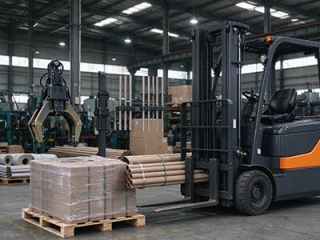 5 Common Working Scenarios for Customized Warehouse Forklift SolutionsStandard forklifts fail to fit special warehouse conditions. The factory offers customization for narrow aisles, cold rooms, explosion-proof and outdoor heavy-load scenarios.
Do you like ?0
Read more -
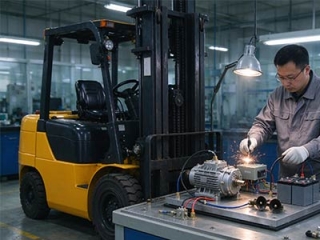 What Tests Are Conducted Before Explosion Proof Forklift DeliveryExplosion-proof forklifts are for flammable and dusty warehouses. They pass strict tests on structure, electrics, temperature and hydraulics before delivery.
Do you like ?0
Read more -
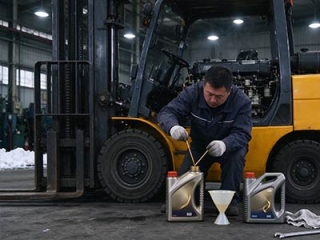 How to Maintain Internal Combustion Forklift in Cold WinterInternal combustion forklifts suffer hard starting and fuel icing in cold weather. Maintain fuel, oil, battery and cooling systems for winter use.
Do you like ?0
Read more -
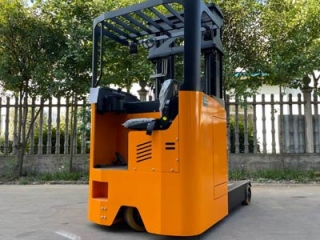 2 Ton Sit-down Reach Stacker, Sit-on Electric Reach Stacker2-ton seated reach stackers fit narrow aisle high rack warehouses. Its extending mast works for two-shift stacking; watch aisle size and high lift capacity deration.
Do you like ?0
Read more