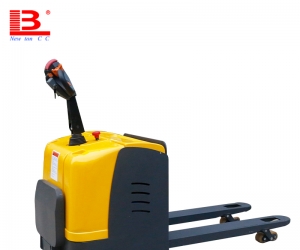
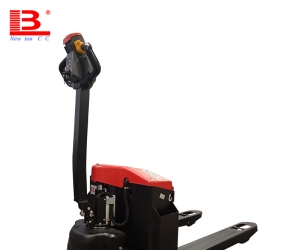
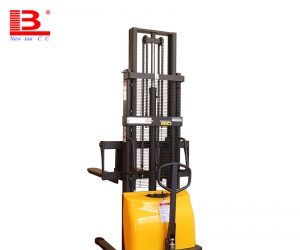
Minimum Turning Radius Of Stand-on Electric Pallet Truck Size Guide
Turning radius is a core parameter for warehouse managers and procurement teams sourcing material handling equipment. If you plan to purchase the Stand-on Full Electric Pallet Truck, you must clarify its Minimum Turning Radius Of Stand-on Electric Pallet Truck. Ignoring this dimension often causes rack and wall scratches in narrow aisles, bringing extra costs for warehouse reconstruction.
Standard Minimum Turning Radius By Model
Popular 1.0–1.5 Ton Narrow-body Model (Bestseller for E-commerce Warehouses)
Folded footplate (narrow aisle mode): 1580–1680mm
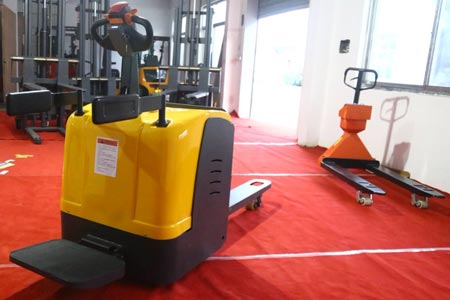
Extended footplate (normal driving mode): 1990–2070mm
Standard 2-ton Heavy-duty Stand-on Pallet Truck
Folded footplate: 1720–1865mm
Extended footplate: 2160–2270mm
Compact Lightweight Model With Electronic Steering (For Ultra-narrow Storage Zones) Minimum turning radius down to 1320–1480mm with folded footplate, max load capacity 1.2 tons.
Four Key Factors Affecting Turning Radius
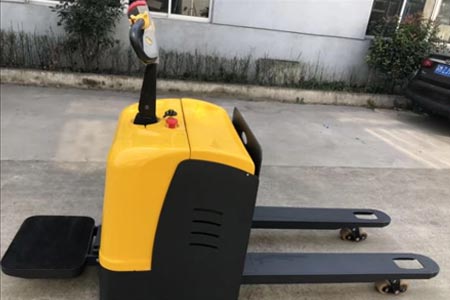
Foldable Footplate Structure (Most Critical Factor) Retracting the foldable footplate shortens overall vehicle length and drastically cuts required turning space. Models with fixed footplates have no narrow aisle mode and feature larger turning radii.
Wheelbase & Overall Body Width 780mm narrow chassis paired with short wheelbase delivers flexible steering; heavy high-tonnage trucks adopt longer wheelbase, resulting in bigger turning radius.
Steering System Electronic power steering supports larger rotation angle, reducing turning radius by 80–120mm for identical frame size, the top choice for compact warehouses.
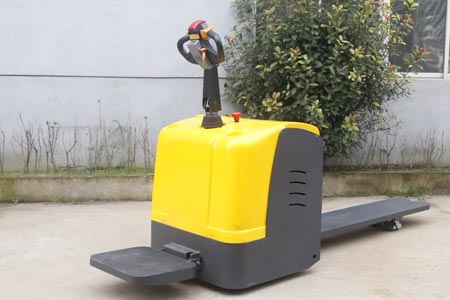
Load Capacity Light-duty 1.0–1.5 ton stand-on trucks boast compact turning performance; 2-ton and above heavy-duty versions extend chassis length and demand wider turning space.
Aisle Matching Selection Guide
Aisle width below 1.9m: Pick 1.5-ton narrow-body stand-on truck with folded footplate turning radius ≤1608mm
Aisle width 2.0–2.2m: Both 1.5-ton and 2-ton models work well under folded footplate mode
Aisle width over 2.3m: Smooth operation with footplate fully extended
The Minimum Turning Radius Of Stand-on Electric Pallet Truck directly matches your warehouse aisle width and storage layout. Contact us if you need further technical parameters of the Stand-on Full Electric Pallet Truck.
-
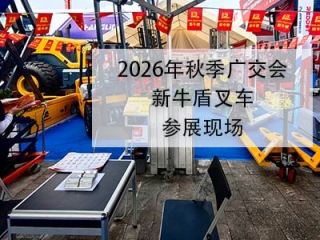 Newnewton Forklift Export, Canton Fair Electric Warehouse Forklift ManufacturerAt the 140th Canton Fair, Newnewton displays full electric warehouse equipment, including cold storage and explosion-proof models with CE, OEM and export support.
Do you like ?0
Read more -
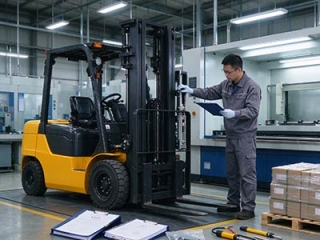 Electric Forklift Factory Direct Quotation, Warehouse Handling EquipmentSame model electric forklifts have varied quotes due to different configurations. Provide load, lift, working conditions and certifications for accurate direct factory pricing.
Do you like ?0
Read more -
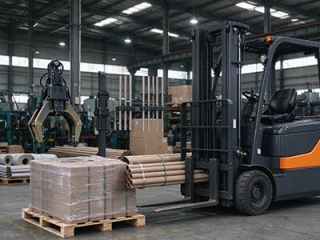 5 Common Working Scenarios for Customized Warehouse Forklift SolutionsStandard forklifts fail to fit special warehouse conditions. The factory offers customization for narrow aisles, cold rooms, explosion-proof and outdoor heavy-load scenarios.
Do you like ?0
Read more -
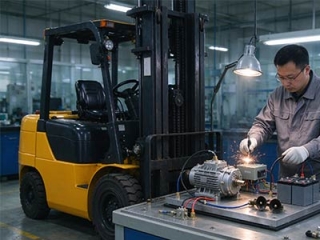 What Tests Are Conducted Before Explosion Proof Forklift DeliveryExplosion-proof forklifts are for flammable and dusty warehouses. They pass strict tests on structure, electrics, temperature and hydraulics before delivery.
Do you like ?0
Read more -
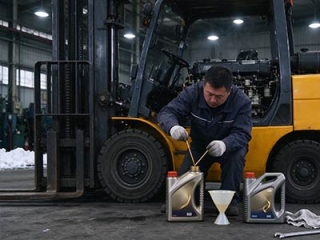 How to Maintain Internal Combustion Forklift in Cold WinterInternal combustion forklifts suffer hard starting and fuel icing in cold weather. Maintain fuel, oil, battery and cooling systems for winter use.
Do you like ?0
Read more -
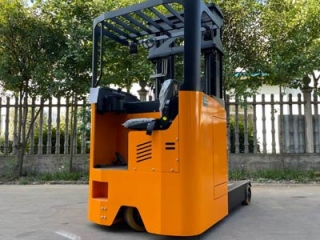 2 Ton Sit-down Reach Stacker, Sit-on Electric Reach Stacker2-ton seated reach stackers fit narrow aisle high rack warehouses. Its extending mast works for two-shift stacking; watch aisle size and high lift capacity deration.
Do you like ?0
Read more