
Lithium-ion Warehouse Forklift Brands Review, Advantages and Disadvantages
Nowadays electrification technology is increasingly mature, and lithium forklifts have become popular equipment for warehouse logistics. However, there are many forklift brands on the market, including genuine imported brands, domestic manufacturers, source factories, agents and small workshops. How to select and purchase lithium battery forklifts? You can make judgments with lithium forklift brand ranking and pros & cons analysis for warehouse electric forklift.
Brand review as below:
Heli
Advantages: Established domestic large manufacturer with reliable machine stability. Its product portfolio covers a full range of warehouse lithium forklifts including walkie, stand-on and reach stackers. Self-developed BMS battery management system delivers good energy recovery and lower power consumption for frequent start-stop warehouse operations. It has widespread after-sales service nationwide, easy spare parts procurement and supports multiple customization requirements.

Disadvantages: Models of the same specification are relatively expensive. Basic versions come with limited intelligent configurations. Low-end models have simple operation interfaces, suitable for traditional warehouses. Extra modules are required for projects that need digital management of large fleets.
Hangcha
Advantages: Large market inventory and fast product iteration. It offers abundant lithium warehouse models ranging from light pallet jacks to high-level stacking equipment. IoT module is standard equipped to remotely check machine status and receive fault warnings. Spare parts have high compatibility and moderate maintenance cost. Bulk purchase can get obvious price discounts.
Disadvantages: Some lightweight warehouse models adopt relatively thin steel plates. Regular inspection of frame deformation is required under continuous heavy-duty work. There are many optional battery solutions, so buyers need to carefully confirm cell brands and warranty scope during purchase.

Noblelift
Advantages: It specializes in warehouse electric equipment. Walkie and stand-on lithium pallet trucks and stackers are its core products with compact structure and great adaptability for narrow aisle warehouses. Outstanding cost performance and OEM customization available. Ideal for small and medium warehouses and e-commerce small goods handling.
Disadvantages: It has limited product lines for heavy counterbalance lithium forklifts and insufficient high-power heavy-duty models. After-sales outlets in remote areas are not as dense as Heli and Hangcha. The durability of machines under long multi-shift work is slightly inferior to top manufacturers.
BYD Forklift
Advantages: Self-developed lithium iron phosphate blade battery with long cycle life and good low-temperature performance. High battery protection grade, suitable for warehouses with strict environmental and safety requirements such as food, pharmaceutical and cold storage industries. Built-in fleet management system and battery leasing solution, well adapted for diesel to electric conversion projects.

Disadvantages: High machine purchase price. Battery maintenance relies on original factory technology, making third-party repair difficult. Limited selections of basic small warehouse stackers, focusing more on medium and large tonnage counterbalance lithium forklifts.
If you have a tight budget, you can choose source factories. Source manufacturers generally provide warranty and after-sales service. You can request factory trials and qualification verification if you have concerns. Try to avoid middlemen and small workshops. They are not cost-effective and lack after-sales support. Low-priced forklifts from small workshops often have serious quality issues and easily delay your project schedule.
The warehouse electric forklift powered by lithium battery delivers strong power and long runtime, bringing good value for long-term use. Evaluate working conditions, budget and after-sales distance comprehensively before purchase to pick the suitable machine, with reference to lithium forklift brand ranking and pros & cons analysis.
-
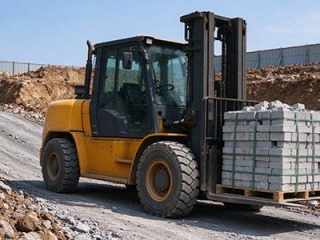 Three Certificates For Legal Operation Of Site Diesel ForkliftHeavy-duty diesel forklifts on construction sites require N1 operator certificate, equipment registration and biennial inspection reports instead of driving licenses. They must not run on public roads for safety audits.
Do you like ?0
Read more -
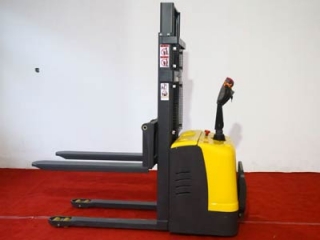 Lithium Double Pallet Stacker For E-Commerce Peak ShipmentE-commerce warehouses face aisle congestion during peak sales. Lithium stand-on double pallet stackers carry two pallets per trip with fast charging to speed shipments. Verify aisle, pallet and floor conditions before selection.
Do you like ?0
Read more -
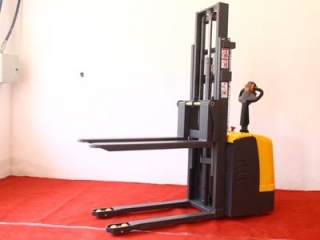 Key Parameters For Narrow Aisle Rider Stacker SelectionFor narrow-aisle stand-on electric stackers in dense warehouses, check aisle width, load center, mast and turning radius besides capacity and lift height. Leave safety margin; do not rely only on no-load data.
Do you like ?0
Read more -
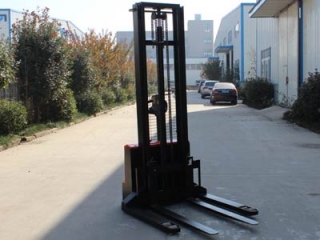 Adjustable Outrigger Straddle Stacker For Mixed PalletsMixed pallet sizes cause jamming risks. Adjustable-straddle walkie electric stackers have two adjustment structures: bolt holes and hand screws. Power off before adjusting, lock legs and confirm the range matches pallets.
Do you like ?0
Read more -
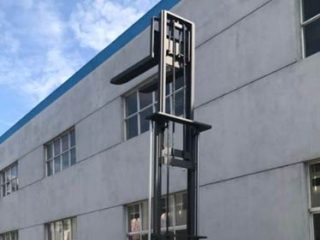 Walkie And Rider Stacker Comparison For Warehouse SelectionBuyers often choose between walkie and stand-on electric stackers. Compact low-cost walkie models suit short trips in narrow aisles, while stand-on versions ease long multi-shift work. Evaluate aisle, distance and workload.
Do you like ?0
Read more -
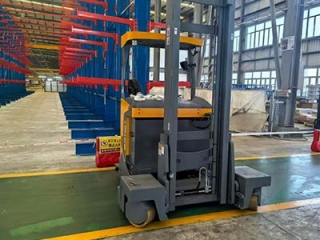 Selection Guide Of Four-Way Forklift For Profile WarehouseLong profiles and pipes take wide aisles and are hard to turn. Four-directional electric forklifts travel crosswise without sharp turns to save space. Check cargo size, floor and battery and know its limits.
Do you like ?0
Read more








