
5 Troubleshooting Reasons for Slow Lifting Speed of Electric Forklift
Has your electric forklift in the warehouse suffered from slow fork lifting? It is a frequent equipment fault that directly reduces handling and stacking efficiency. What causes slow lifting on electric forklift? Understanding this problem helps you find the right solution when faults occur, instead of spending extra time and cost on maintenance. Here are 5 common fault causes to remember for common faults of electric forklift.
Insufficient battery voltage The lifting action of electric forklift is driven by the hydraulic motor, which draws large current at the moment of lifting. Aged batteries, low remaining power and oxidized or loose terminal connections will lead to voltage drop and insufficient power of hydraulic motor. The obvious symptom is slow fork lifting, especially under heavy load. Check the remaining battery power first, clean corrosion on terminals. Repair or replace the battery if it suffers severe degradation.

Insufficient or deteriorated hydraulic oil Hydraulic oil acts as the power transmission medium. If the oil level is below the standard mark, oil supply will be inadequate and lifting movement becomes sluggish. After long-time operation, moisture and impurities mix into hydraulic oil, making it thick and emulsified and reducing transmission efficiency. Check oil level regularly. Replace with the same type of hydraulic oil when the oil turns dark and turbid, and clean the oil tank filter screen.
Clogged hydraulic filter element The hydraulic system is equipped with return oil filter and suction filter. Metal debris and impurities generated during long operation accumulate on the filter surface, blocking oil flow and lowering flow rate, which slows down lifting speed. Filter clogging is a progressive fault and will get worse with use. Replace filter elements regularly according to the equipment maintenance cycle.

Internal leakage due to worn hydraulic pump The hydraulic pump is the core of hydraulic power. Long-term operation wears internal parts and triggers internal pressure leakage. The pump cannot deliver flow up to rated standard. Lifting works fine with no load, but becomes weak and slow under load. Simply changing oil cannot fix this fault. Test pump pressure and repair or replace the hydraulic pump if wear is serious.
Stuck spool valve and aged seals of multi-way valve Impurities may jam the spool of multi-way valve and limit valve opening to reduce flow. Aged or broken sealing parts cause internal leakage and pressure loss. Besides slow lifting, some machines also show weak lifting and automatic slow fork descent. You can disassemble and clean the spool, and replace oil seal kits directly if sealing parts are aged.
Do you have any questions about these 5 common faults of electric forklift? Feel free to contact us for support. For complicated hydraulic faults, professional factory technicians are recommended. Do not disassemble the machine by yourself to prevent safety accidents.
-
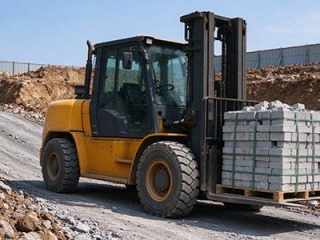 Three Certificates For Legal Operation Of Site Diesel ForkliftHeavy-duty diesel forklifts on construction sites require N1 operator certificate, equipment registration and biennial inspection reports instead of driving licenses. They must not run on public roads for safety audits.
Do you like ?0
Read more -
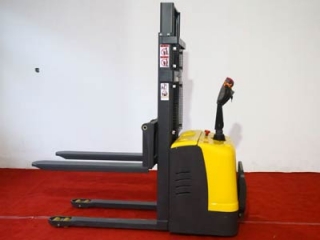 Lithium Double Pallet Stacker For E-Commerce Peak ShipmentE-commerce warehouses face aisle congestion during peak sales. Lithium stand-on double pallet stackers carry two pallets per trip with fast charging to speed shipments. Verify aisle, pallet and floor conditions before selection.
Do you like ?0
Read more -
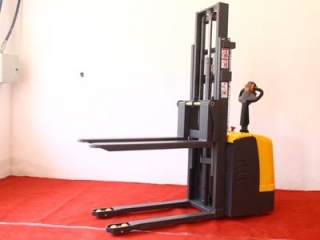 Key Parameters For Narrow Aisle Rider Stacker SelectionFor narrow-aisle stand-on electric stackers in dense warehouses, check aisle width, load center, mast and turning radius besides capacity and lift height. Leave safety margin; do not rely only on no-load data.
Do you like ?0
Read more -
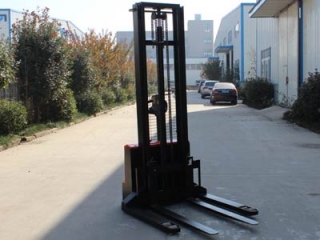 Adjustable Outrigger Straddle Stacker For Mixed PalletsMixed pallet sizes cause jamming risks. Adjustable-straddle walkie electric stackers have two adjustment structures: bolt holes and hand screws. Power off before adjusting, lock legs and confirm the range matches pallets.
Do you like ?0
Read more -
 Walkie And Rider Stacker Comparison For Warehouse SelectionBuyers often choose between walkie and stand-on electric stackers. Compact low-cost walkie models suit short trips in narrow aisles, while stand-on versions ease long multi-shift work. Evaluate aisle, distance and workload.
Do you like ?0
Read more -
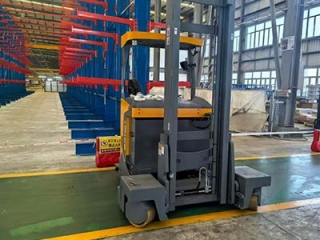 Selection Guide Of Four-Way Forklift For Profile WarehouseLong profiles and pipes take wide aisles and are hard to turn. Four-directional electric forklifts travel crosswise without sharp turns to save space. Check cargo size, floor and battery and know its limits.
Do you like ?0
Read more








