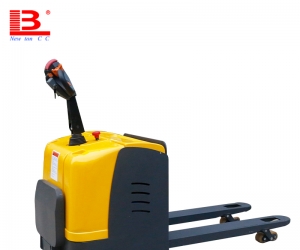
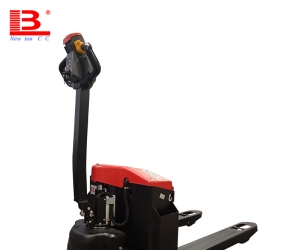
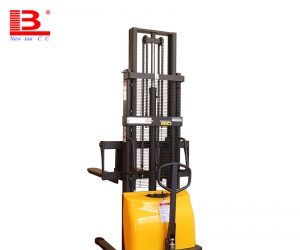
How To Pick Reliable Electric Pallet Truck Manufacturer Avoid Bad Suppliers
Many new buyers struggle to figure out Which Manufacturer Makes Good Electric Pallet Trucks. This 4-tier factory screening guide helps you distinguish reliable manufacturers and avoid costly traps when purchasing the Electric Pallet Truck.
Tier 1: Verify Full Qualifications to Eliminate Unlicensed Small Workshops
Check official certifications first to rule out unguaranteed makeshift factories. Mandatory documents: Business license, ISO quality management system certificate, factory test reports; CE certification required for export orders. Patent verification: Legitimate manufacturers hold utility patents for frames, motors and controllers; pure trading resellers own zero independent patents. Factory verification:
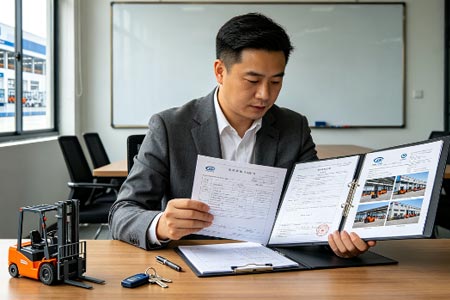
Request real-time videos of production workshops and finished goods warehouses. Suppliers who only send product photos and refuse site footage are middlemen resellers. Unlicensed workshops cut corners on steel frames, lithium batteries and electric controls. After 3–6 months of heavy operation, issues like fast capacity decay, hydraulic oil leakage and burnt motors emerge, with repair costs far exceeding the initial price savings.
Tier 2: Independent Production Capacity – Tell Apart OEM Traders & Original Factories
After confirming complete qualifications, check self-production capability, the key factor of stable quality and competitive pricing. Full in-house production lines: Cover frame stamping, robotic welding, mast processing, controller assembly and full load testing. Core components including motors, brushless controllers and lithium batteries are self-produced. Customization service: Custom narrow chassis, extended forks and low-temperature lithium battery trucks for narrow aisles, special pallets and cold storage.
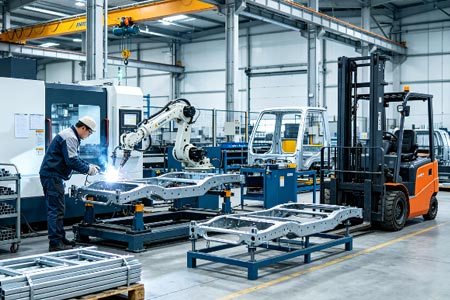
Traders can only supply standard off-the-shelf models without modification support. Sufficient in-stock inventory: Mass ready stock of 1.5t / 2t walk-behind & stand-on electric pallet trucks for fast delivery. OEM traders have no own warehouse, long lead times and multi-layer markup costs. Original manufacturers such as Newnewton own CNC processing workshops with full self-production of all electric pallet trucks, no outsourced OEM labeling and pure ex-factory pricing without middleman surcharges.
Tier 3: Product Configuration & Transparent Quotation, Avoid Hidden Fee Traps
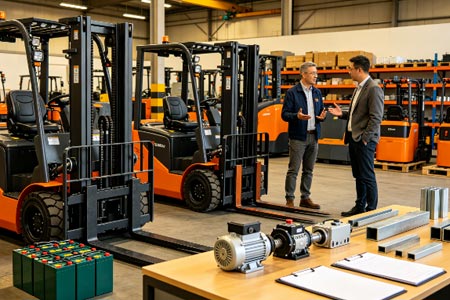
Once you confirm a genuine manufacturing factory, compare configurations and quotation clarity to steer clear of low-price bait tactics. Standardized detailed quotation sheets: Formal factories clearly mark battery capacity, motor power, mast material and fork dimensions with separate pricing for every specification. Dishonest suppliers quote cheap basic models then charge extra fees for lithium upgrades, widened forks and delivery. Lithium battery quality standard: Prioritize industrial lithium iron phosphate packs with long cycle life and fast charging compatibility. Low-tier factories use recycled refurbished batteries that lose capacity rapidly and carry safety risks. Reasonable price range: Original factory prices are 15%–30% lower than local dealers and retail stores. Offers far below industry average usually mean thinner steel frames or downgraded controllers.
Tier 4: Complete After-sales System to Cut Long-term Downtime Losses
Comprehensive after-sales support directly impacts downtime costs during breakdowns. Core component warranty: Motors, controllers and lithium batteries come with 1-year factory warranty; small workshops only offer 3–6 month short-term coverage. Full spare parts inventory: Self-manufacturers stock all original replacement parts for fast shipment. Resellers source spare parts externally with multi-day waiting periods causing warehouse operation halts. Professional technical service: 24-hour online troubleshooting support. Large bulk orders include free on-site warehouse survey and customized equipment layout plans, with fully in-house after-sales teams instead of outsourced third-party service.
Follow this four-tier screening system, and you can easily select qualified suppliers for your Electric Pallet Truck without common procurement pitfalls, solving the question of Which Manufacturer Makes Good Electric Pallet Trucks.
-
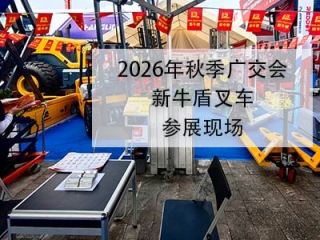 Newnewton Forklift Export, Canton Fair Electric Warehouse Forklift ManufacturerAt the 140th Canton Fair, Newnewton displays full electric warehouse equipment, including cold storage and explosion-proof models with CE, OEM and export support.
Do you like ?0
Read more -
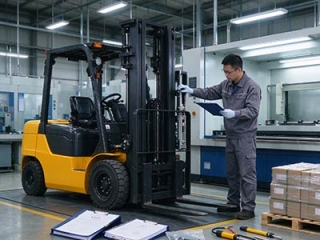 Electric Forklift Factory Direct Quotation, Warehouse Handling EquipmentSame model electric forklifts have varied quotes due to different configurations. Provide load, lift, working conditions and certifications for accurate direct factory pricing.
Do you like ?0
Read more -
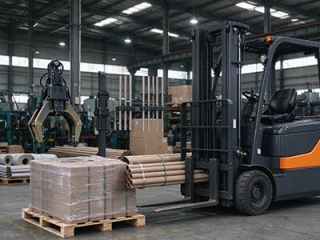 5 Common Working Scenarios for Customized Warehouse Forklift SolutionsStandard forklifts fail to fit special warehouse conditions. The factory offers customization for narrow aisles, cold rooms, explosion-proof and outdoor heavy-load scenarios.
Do you like ?0
Read more -
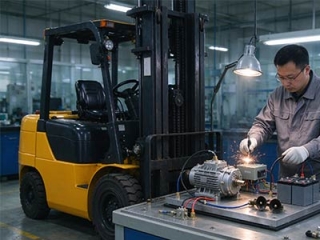 What Tests Are Conducted Before Explosion Proof Forklift DeliveryExplosion-proof forklifts are for flammable and dusty warehouses. They pass strict tests on structure, electrics, temperature and hydraulics before delivery.
Do you like ?0
Read more -
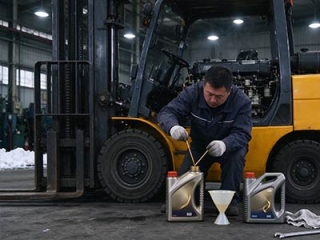 How to Maintain Internal Combustion Forklift in Cold WinterInternal combustion forklifts suffer hard starting and fuel icing in cold weather. Maintain fuel, oil, battery and cooling systems for winter use.
Do you like ?0
Read more -
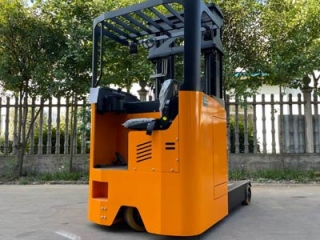 2 Ton Sit-down Reach Stacker, Sit-on Electric Reach Stacker2-ton seated reach stackers fit narrow aisle high rack warehouses. Its extending mast works for two-shift stacking; watch aisle size and high lift capacity deration.
Do you like ?0
Read more