Fault diagnosis of hydraulic system of semi-electric stacker?
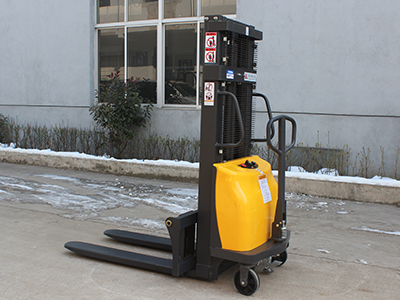
What are the common methods for fault diagnosis of the hydraulic system of a semi-electric stacker?
Before looking for a fault diagnosis method, we first understand the fault phenomenon. And the working principle of the semi-electric stacker. Carry out a detailed analysis of the hydraulic device accessories of the car, and be familiar with the structure, working principle and characteristics of each component. Analyze and diagnose the cause of the fault according to the fault phenomenon.
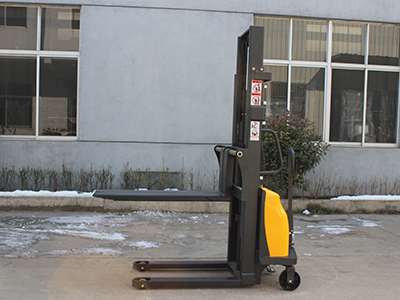
After understanding the above information, you can basically diagnose faults. Usually, professional warehouse electric forklift manufacturers will first suggest that by observing the action of each component, whether the oil level is appropriate, whether there is a difference between the oil quality and the system diagnosis range; secondly, whether the system noise is too large, and whether the overflow valve has a whistling sound , Whether the impact sound is too loud when the mechanism is moving; touch the pump valve and pipeline and other hydraulic components with your hand again to observe whether the equipment is overheated, abnormal vibration, or whether there is a flow interruption, etc.; and that is, whether the hydraulic oil has Whether the deteriorating smell is caused by the overheating of the hydraulic oil causing the rubber parts to emit an abnormal smell and whether the hydraulic pump has a sintering smell.
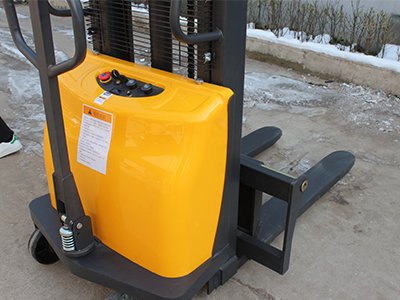
In addition to the above methods, we can use the exclusion method for diagnosis. By understanding the fault phenomenon, analyzing the principle and checking the fault location in three steps, you can list the possible causes of the fault and the faulty components, and then use the troubleshooting method to troubleshoot or determine the components that are easier to check. In this way, the fault range can be reduced, and the fault can be locked in a few or a more complex component, and then replace the suspected faulty component with a new component of the same specification to test the problem.
Generally, semi-electric stackers or other types of electric forklifts can diagnose and eliminate hydraulic system faults through the above processes.
-
 5 Strict Inspection Stages of Newnewton Forklift Before DeliveryForklift factory inspection determines equipment stability. Taizhou manufacturers adopt five testing procedures from parts sampling to full-load tests for reliable quality.
Do you like ?0
Read more -
 Introduction to Straddle Leg Function of Stacker and Damage ImpactsSupport legs are core load-bearing structures of stackers. They prevent tipping, bear loads and guide pallets, requiring daily maintenance for safe operation.
Do you like ?0
Read more -
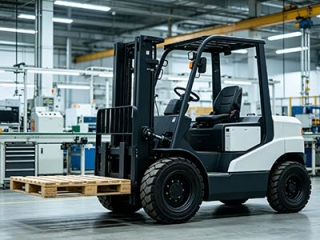 3 Sets of Workshop Narrow Aisle Forklift Solutions from Forklift ManufacturerNarrow workshop aisles limit handling efficiency. Professional forklift manufacturers provide three forklift solutions for different narrow aisle working conditions.
Do you like ?0
Read more -
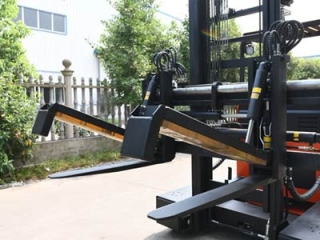 6 Steps to Learn Standard Operation of Full Electric Four-way ForkliftFull-electric four-way forklifts handle long materials with vertical and horizontal travel. Standardize six operating procedures to avoid operational risks.
Do you like ?0
Read more -
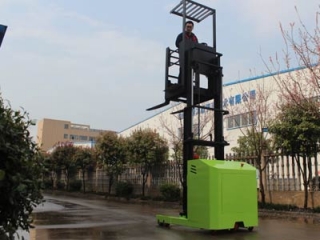 Electric order picker vs manual order picker, warehouse order pickerWhen choosing order pickers, compare electric and manual models from efficiency, workload, scenarios, cost and safety to match your warehouse working conditions.
Do you like ?0
Read more -
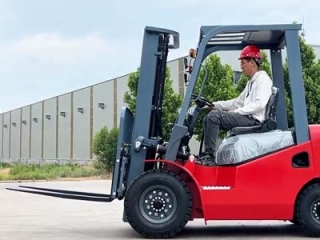 What Items Can Be Customized for Diesel Forklift OEM ServiceFor diesel forklift OEM, clarify customizable ranges to avoid delivery deviation. Factories support logo, mast, cabin and document customization.
Do you like ?0
Read more