Many safety hazards in material handling come from improper operation. To ensure workplace safety, you must understand and avoid common violations in forklift operation. These violations are not only against regulations but also the main cause of tip‑overs, collisions, falling cargo and injuries.
1. Personnel Qualification & Operating Rules
Operating without a valid forklift license, or lending/using others’ licenses.
Skipping pre-operation inspections and working with faulty equipment.
Releasing hands from the controls, using mobile phones, or chatting while operating.
Operating under the influence of alcohol, fatigue or emotional stress; allowing untrained staff to drive.
Jumping on or off the forklift without using handholds and steps.
Extending any body part outside the operator compartment.
Failing to horn when turning or reversing; no spotter in blind‑zone operations.
Speeding, sudden acceleration, hard braking or sharp turns; not slowing down at crossings.
Lifting forks higher than 30 cm off the ground while driving; adjusting forks during travel.
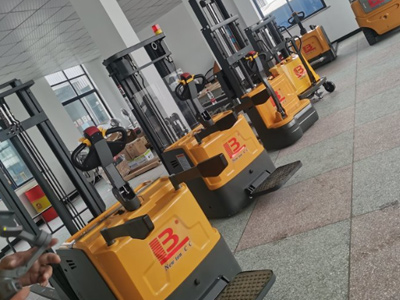
2. Load Handling (Over 60% of Tip‑over Accidents)
Overloading beyond the rated capacity; lifting unknown‑weight cargo.
Unbalanced loading, single‑fork lifting, off‑center cargo, or insufficient fork insertion depth.
Handling oversized loads without proper fixation or supervision.
Rapid lifting/lowering; sharp turns or stops with loaded forks.
Using forks to push, hit or force cargo; carrying people without a certified platform.
Taizhou Newnewton Forklift reminds you of ramp safety: do not drive downhill with forks forward, uphill with forks backward, or turn, park or load on slopes.
Lifting cargo over people or allowing anyone to stand under raised forks.
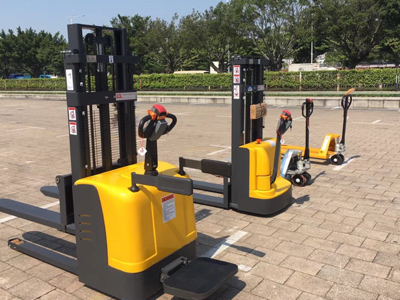
3. Equipment Parking & Maintenance
Parking in non-designated areas: aisles, ramps, intersections or under racks.
Leaving forks raised, not engaging the parking brake, keeping the key inserted.
Improper battery charging or refueling in confined spaces.
Unauthorized modifications; skipping required professional maintenance.
Delaying repairs or disassembling faulty forklifts without warning signs.
4. Work Environment & Coordination
Overtaking in narrow spaces; driving side by side with other forklifts.
Not keeping safe distances or yielding to pedestrians.
Speeding on wet, oily or uneven ground.
Long operation in confined spaces without ventilation.
Using damaged pallets or stacking extra pallets on forks.
Hitting rack columns or overloading storage racks.
Working quickly around obstacles, cables or clutter.
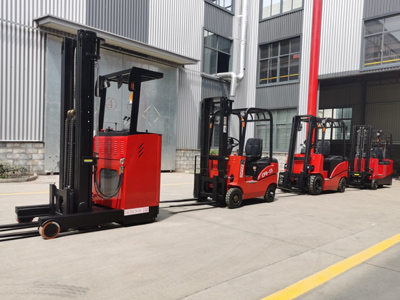
5. Other Common Violations
Not wearing PPE; operating in slippers, high heels or loose clothing.
Towing without proper equipment or safety measures.
Raising forks too high when empty.
Working without lights at night or in dark areas.
Parking in fire lanes, near fire hydrants or emergency exits.
In summary, understanding these risks helps create a safer workplace. We hope you fully understand forklift accident prevention measures and operate safely to protect yourself and others.
-
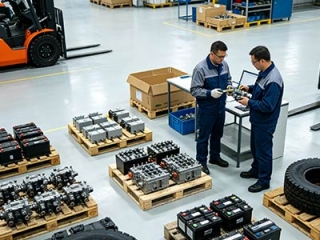 5 Strict Inspection Stages of Newnewton Forklift Before DeliveryForklift factory inspection determines equipment stability. Taizhou manufacturers adopt five testing procedures from parts sampling to full-load tests for reliable quality.
Do you like ?0
Read more -
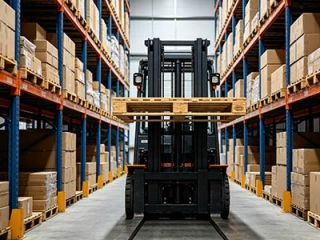 Introduction to Straddle Leg Function of Stacker and Damage ImpactsSupport legs are core load-bearing structures of stackers. They prevent tipping, bear loads and guide pallets, requiring daily maintenance for safe operation.
Do you like ?0
Read more -
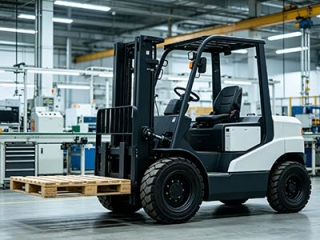 3 Sets of Workshop Narrow Aisle Forklift Solutions from Forklift ManufacturerNarrow workshop aisles limit handling efficiency. Professional forklift manufacturers provide three forklift solutions for different narrow aisle working conditions.
Do you like ?0
Read more -
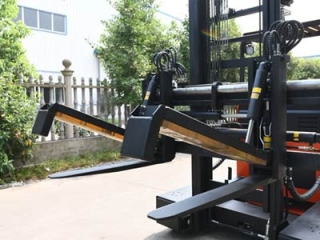 6 Steps to Learn Standard Operation of Full Electric Four-way ForkliftFull-electric four-way forklifts handle long materials with vertical and horizontal travel. Standardize six operating procedures to avoid operational risks.
Do you like ?0
Read more -
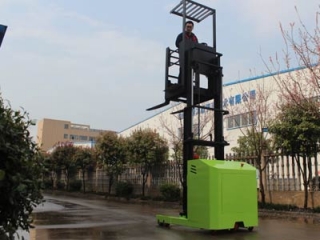 Electric order picker vs manual order picker, warehouse order pickerWhen choosing order pickers, compare electric and manual models from efficiency, workload, scenarios, cost and safety to match your warehouse working conditions.
Do you like ?0
Read more -
 What Items Can Be Customized for Diesel Forklift OEM ServiceFor diesel forklift OEM, clarify customizable ranges to avoid delivery deviation. Factories support logo, mast, cabin and document customization.
Do you like ?0
Read more