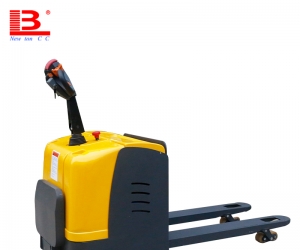
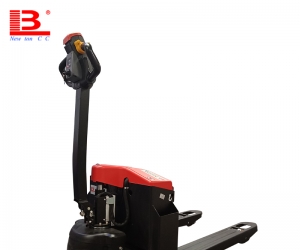
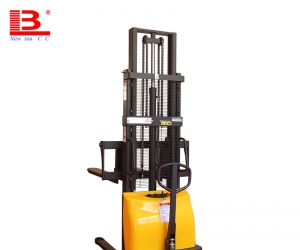
Stand-on Electric Pallet Stacker: How to Pick the Right Brand
Warehouse buyers often check mainstream options when sourcing stacking equipment, yet brands differ greatly in positioning, configuration and after-sales support. A proper model helps cut long-term operating costs. This guide shares useful selection ideas and information about top brands of electric pallet stacker.
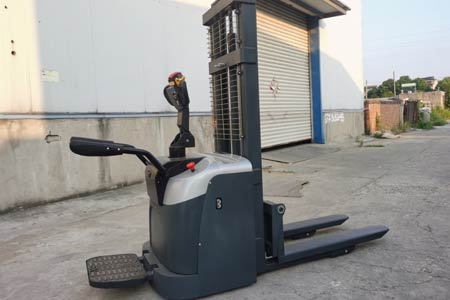
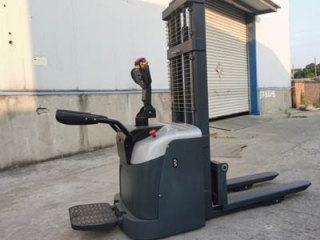
A stand-on electric pallet stacker suits narrow-aisle warehouses and multi-shift continuous stacking. Compared with walk-behind versions, it delivers higher throughput and less operator fatigue, widely used in e-commerce, raw material and finished goods warehouses. Major suppliers fall into three categories: premium imported brands, leading domestic brands and cost-effective direct manufacturers.
Imported brands include Linde, Toyota and Jungheinrich. They feature stable control systems and solid durability for high-standard automated warehouses, though at higher prices with longer lead times for spare parts and maintenance.
Leading domestic brands cover Heli, Hangcha, Noblelift, EP and BYD. They have mature product lines and rich lithium options, plus extensive nationwide service networks, matching most regular warehouse conditions with large market coverage.
Some original manufacturers such as newnewton focus on customization. Adjustable outriggers, masts and battery packs are available, supporting bulk orders and export projects for distributors and large procurement.
Brand screening is only the first step. You still need to evaluate according to your actual site conditions. Confirm rated load and lifting height with proper safety margin. For narrow aisles, check overall width and minimum turning radius. Lithium models with fast charging are preferred for two-shift operations to reduce idle waiting time. Standard safety features include guard rails, overload protection, emergency cut-off switches and travel warning lights. Electric steering is recommended for high-frequency work to reduce operator strain.
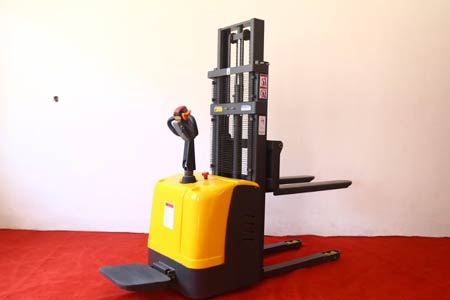
Distinguish standard stock units from custom versions. Standard models ship faster while custom orders require confirmed production schedules. Do not compare prices alone; verify warranty terms, spare parts availability and on-site service to avoid costly maintenance and supply issues later.
No brand is universally perfect. When purchasing a stand-on electric pallet stacker, imported premium brands fit automated high-end warehouses, mainstream domestic brands work well for regular storage, and direct factories are ideal for bulk purchases, customisation and export needs. This content hopes to bring reference value for your equipment procurement.
-
 How Much Does a Counterbalance Electric Stacker CostWalkie counterbalance stackers have wide price gaps from specs, batteries, controls and options. Watch out for downgraded parts and hidden charges on low-price quotes.
Do you like ?0
Read more -
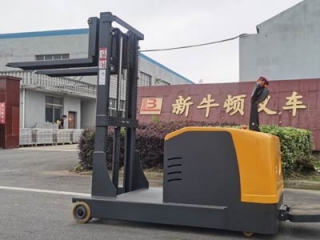 Narrow Aisle Stand-on Counterbalance Electric Stacker From newnewtonStand-on counterbalance stackers have no front legs to avoid pallet jamming and rack collision. It handles closed-bottom special pallets for compact old warehouse renovation.
Do you like ?0
Read more -
 Stand-on Electric Double Pallet Stacker: Work Efficiency ComparisonStand-on double pallet stackers suit high-output warehouses. It carries two pallets at once for higher efficiency in wide aisles, not for narrow aisles or order picking.
Do you like ?0
Read more -
 Stand-on Electric Pallet Stacker: How to Pick the Right BrandStand-on electric stackers vary by brand tiers. Avoid judging by brand only. Evaluate load, aisle, shifts and after-sales to cut long-term operation costs.
Do you like ?0
Read more -
 Adjustable Leg Walk-behind Electric Stacker for Multiple Pallet TypesAdjustable leg walkie straddle stackers fit mixed pallets. Variable leg width works for single/double-faced pallets, compact and stable for warehouses with mixed pallet sizes.
Do you like ?0
Read more -
 How Long Is the Runtime of an Electric Walk-behind StackerWhen warehouse customers select walkie electric stackers, battery life is a key concern. Lithium and lead-acid batteries differ greatly in runtime, charging speed and low-temperature performance.
Do you like ?0
Read more