Introduction to Industrial Handling Vehicles & Counterbalance Stackers
Friends engaged in warehousing, workshops, or logistics all know that industrial handling vehicles are great helpers for improving efficiency. They replace heavy manual labor, saving both time and effort.Among them, the counterbalance stacker is widely used due to its strong adaptability and simple operation.Today, we will talk about industrial handling vehicles, focusing on counterbalance stacker selection, especially the commonly used walk-behind counterbalance stacker.
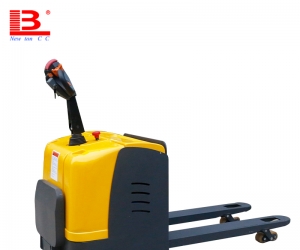
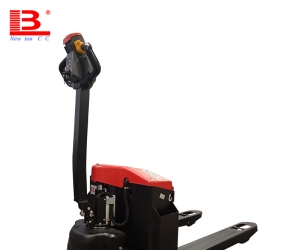
Common industrial handling vehicles include forklifts, stackers, and pallet trucks. They are mainly used for loading, transporting, and stacking goods.By operation mode, they can be divided into walk-behind, stand-on, and seated types.By power, electric and internal combustion models are both common.
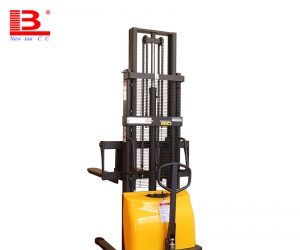
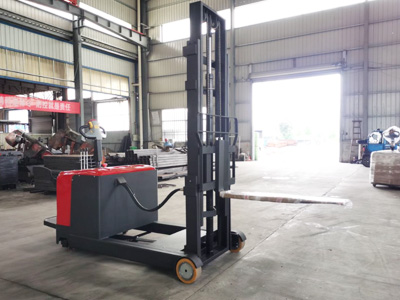
The highlight of the counterbalance stacker is its rear counterweight.Unlike other stackers, it does not need front outriggers for support and can lift goods directly. It can handle almost all complex sites, making it a versatile tool in industrial handling.
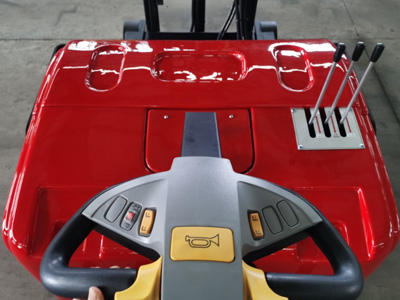
Many friends ask me about the tips for counterbalance stacker selection.Just focus on three key points, and even beginners can make the right choice.
First, consider your working scenario.If you have a small site, narrow aisles, or often unload goods without a dock, choose the walk-behind counterbalance stacker.It has a compact body, flexible turning, and can be easily operated by one person.
Second, match the parameters.Choose the load capacity according to your daily cargo weight, and select the proper lifting height based on your racks.Also check battery life and motor performance to ensure all-day continuous operation.
Third, balance practicality and cost-effectiveness, which is very important for SMEs.
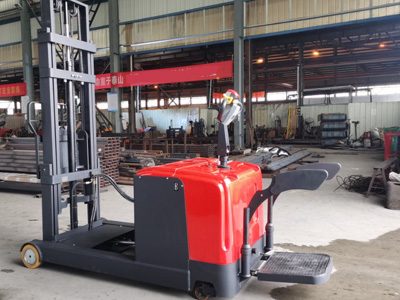
The walk-behind counterbalance stacker is an ideal choice.It is simple to operate without professional training; new users can master it quickly.It features low energy consumption, low failure rate, and easy maintenance.
A reminder: when purchasing, always choose formal manufacturers, verify product quality and after-sales service.Do not buy inferior products just for a low price, as they will cause more trouble in later maintenance.
In this way, you can save labor, reduce costs, and improve work safety.
-
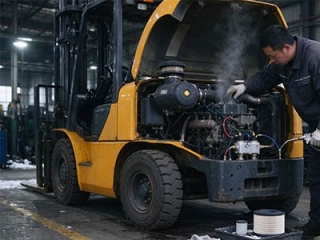 How to Fix Hard Starting of Industrial Diesel Forklift in WinterFuel forklifts struggle to start in cold winter. Check fuel, lubrication, battery and preheating parts, use suitable oil and pre-inspect to avoid damage.
Do you like ?0
Read more -
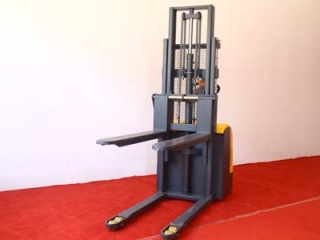 Load Capacity Specs of Ride-on Double Pallet StackerRider double pallet stacker carries two pallets. Note load capacity deration at height, aisle width, fork size and battery type for safe operation.
Do you like ?0
Read more -
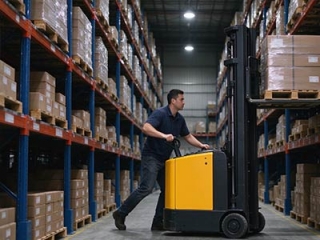 Electric Walk-behind Stacker from Stacker Manufacturing FactoryCompact electric walkie stacker works in narrow aisles. Lithium or lead acid battery available. Newnewton supplies OEM, CE certified units for domestic and export orders.
Do you like ?0
Read more -
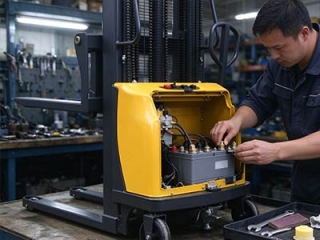 What To Do When Semi-Electric Stacker Runs Out of PowerSemi-electric stacker suddenly power off? Troubleshoot battery, wiring and switches. Follow safe emergency lowering steps and regular battery maintenance.
Do you like ?0
Read more -
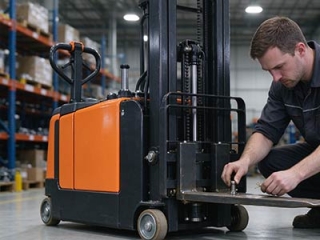 Manual Hydraulic Stacker Repair: 5 Worn Parts & Maintenance TipsManual hydraulic stackers wear fast under frequent use. Learn inspection for 5 vulnerable parts to prevent breakdowns and keep warehouse operations stable.
Do you like ?0
Read more -
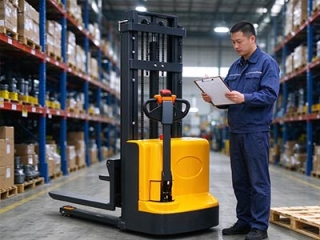 Do You Need a Forklift License for Walk-behind Electric StackerNot all electric walkie stackers require forklift licenses. Check nameplate specs against the special equipment catalog; internal training is mandatory for non-regulated models.
Do you like ?0
Read more