What are the power system failures encountered in the use of electric forklifts?
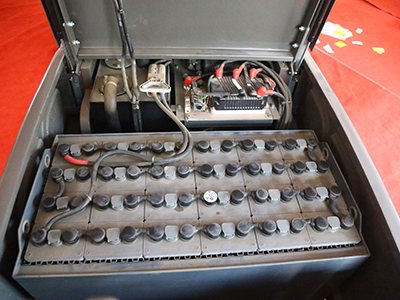
Have you encountered any electrical system failures during the use of electric forklifts? It is inevitable that many mechanical equipment will malfunction after long-term use, and electric forklifts are no exception. What are the specific power failures? Common power system failures are mainly manifested as non-charging, charging voltage is too low and charging voltage is too high. Let's take a look at these different types of failures and the causes of failures.
1. Not charging
Specific performance: When the electric forklift, electric stacker, electric pallet truck, etc. are normally charged, the charger light does not turn red, indicating that the battery is not charged.
Causes of failure: charger failure, circuit failure, etc.
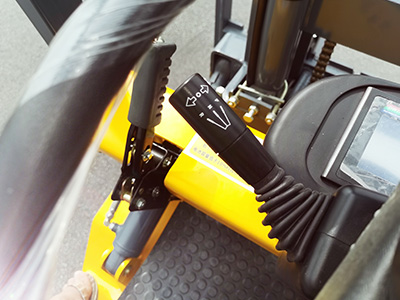
2. The charging voltage is too low
Specific performance: electric forklift, electric stacker, electric pallet truck charging indicator flashes or the ammeter swings near the zero position. Use the DC voltage file of a multimeter to measure the voltage value at both ends of the battery. If the standard value, the charging voltage is too low.
The cause of the failure: the charger's working voltage is out of adjustment or failure, and the battery is faulty (overuse or long-term power feeding are the two major causes of battery failure).
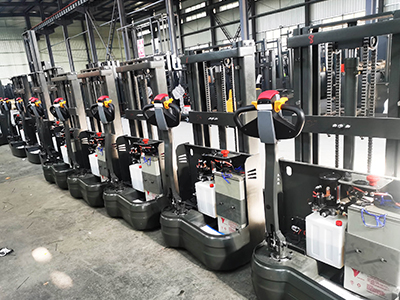
3. The charging voltage is too high
Phenomenon: The light bulbs are easily burnt during the charging process of electric forklifts, electric stackers, and electric pallet trucks, and the battery electrolyte is consumed too quickly. Use the DC voltage file of a multimeter to measure the voltage value at both ends of the battery. If it is higher than the standard value, the charging voltage is too high.
Reason: The working voltage of the charger is out of regulation or malfunction.
The power system failures that we commonly encounter when using electric forklifts are roughly the above points. If you encounter similar problems, you can troubleshoot the cause based on the above failure performance. If you cannot solve the problem smoothly, you can contact the relevant after-sales service unit of the electric forklift manufacturer, or contact the nearest maintenance point for troubleshooting and maintenance. Do not use unfounded operations to complicate the problem.
-
 Stand-on Double Pallet Stacker Pros & Cons For High Throughput WarehouseIn high-turnover e-commerce warehouses, stand-on electric double pallet stackers carry two pallets at once to boost outbound efficiency. Check aisle space before purchase as the machine has a wider body.
Do you like ?0
Read more -
 Newniudun Forklift OEM Service, Taizhou Newniudun ForkliftBuilding your own forklift brand does not require self-built production lines. OEM manufacturing is ideal for traders. newnewton forklift provides equipment OEM, logo customization, export certification and stable supply.
Do you like ?0
Read more -
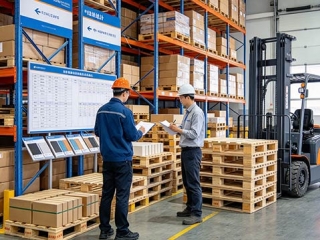 3 Core Rules for Small Warehouse Forklift SelectionMany buyers blindly pursue high load and lifting parameters for forklifts. Small warehouses need forklifts matched by aisle space, cargo demands and full-cycle costs for proper operation and budget control.
Do you like ?0
Read more -
5 Forklift Selection Tips for Small EnterprisesSmall enterprises often focus only on forklift unit prices and ignore actual warehouse conditions, leading to unusable equipment. Select suitable forklifts from five dimensions: aisle, cargo, environment, maintenance and certification.
Do you like ?0
Read more -
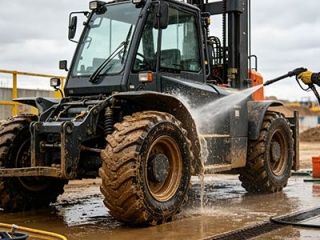 4WD Rough Terrain Forklift For Muddy Construction Site, Anti-stuck Off-road ForkOrdinary forklifts slip and get stuck on muddy post-construction sites. 4WD off-road forklifts with upgraded tires and high chassis adapt to unhardened ground for stable outdoor material handling.
Do you like ?0
Read more -
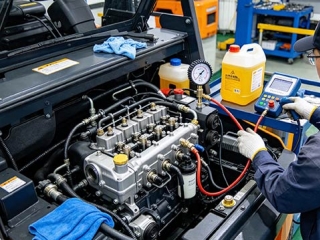 3 Steps To Troubleshoot Black Smoke Of Fuel Forklift, Reduce Equipment LossBlack smoke from fuel forklifts results from insufficient combustion and worsens engine wear and fuel consumption. Troubleshoot the air intake, fuel system and engine conditions to eliminate smoke faults efficiently.
Do you like ?0
Read more