3 Steps To Troubleshoot Black Smoke Of Fuel Forklift, Reduce Equipment Loss
Many operators want to know what causes black smoke from fuel forklift. When black smoke comes out of the exhaust pipe during operation, it brings risks to operators and goods. This fuel forklift fault is mostly caused by insufficient fuel combustion. Continuous operation with faults will accelerate engine wear, raise fuel consumption and delay outdoor work progress. Here are three steps for troubleshooting.
First, inspect the air intake system. Clogged air filter is the common cause. Excessive dust on the filter reduces air intake and unbalances the mixture of air and fuel, leading to incomplete combustion and black smoke. Remove and check the air filter, clean or replace it if heavily contaminated. Check whether the intake pipeline is damaged or leaking.
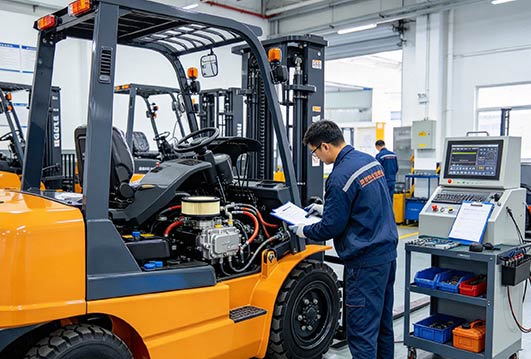
Second, test the fuel supply system. Poor atomization of fuel injectors and abnormal injection pressure lead to fuel dripping and incomplete combustion inside cylinders. Low-quality diesel with impurities also causes black smoke. Check whether black smoke becomes heavier under heavy load to judge faults of injection components.
Third, check engine working conditions. Inspect cylinder pressure. Worn piston rings and poorly sealed valves reduce compression and combustion efficiency. Overloading beyond rated capacity forces the engine to run under heavy load and produces black smoke. Repair or replace damaged parts after inspection to prevent worse failures.
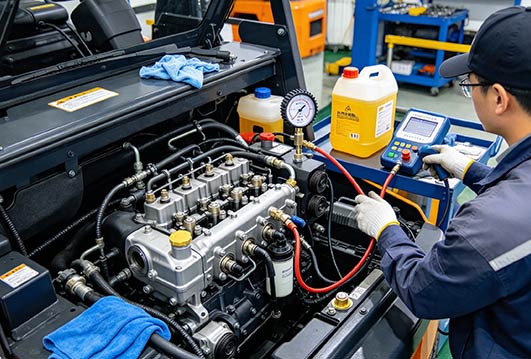
Regular maintenance after daily work, periodic filter cleaning and qualified fuel use can prevent such faults. If you cannot confirm what causes black smoke from fuel forklift or encounter other fuel forklift fault, contact us for professional maintenance and equipment purchasing consultation.
-
 Stand-on Double Pallet Stacker Pros & Cons For High Throughput WarehouseIn high-turnover e-commerce warehouses, stand-on electric double pallet stackers carry two pallets at once to boost outbound efficiency. Check aisle space before purchase as the machine has a wider body.
Do you like ?0
Read more -
 Newniudun Forklift OEM Service, Taizhou Newniudun ForkliftBuilding your own forklift brand does not require self-built production lines. OEM manufacturing is ideal for traders. newnewton forklift provides equipment OEM, logo customization, export certification and stable supply.
Do you like ?0
Read more -
 3 Core Rules for Small Warehouse Forklift SelectionMany buyers blindly pursue high load and lifting parameters for forklifts. Small warehouses need forklifts matched by aisle space, cargo demands and full-cycle costs for proper operation and budget control.
Do you like ?0
Read more -
5 Forklift Selection Tips for Small EnterprisesSmall enterprises often focus only on forklift unit prices and ignore actual warehouse conditions, leading to unusable equipment. Select suitable forklifts from five dimensions: aisle, cargo, environment, maintenance and certification.
Do you like ?0
Read more -
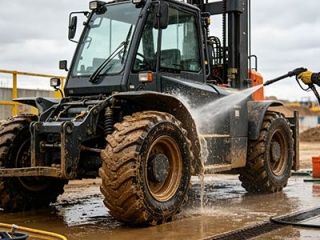 4WD Rough Terrain Forklift For Muddy Construction Site, Anti-stuck Off-road ForkOrdinary forklifts slip and get stuck on muddy post-construction sites. 4WD off-road forklifts with upgraded tires and high chassis adapt to unhardened ground for stable outdoor material handling.
Do you like ?0
Read more -
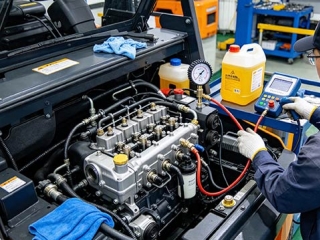 3 Steps To Troubleshoot Black Smoke Of Fuel Forklift, Reduce Equipment LossBlack smoke from fuel forklifts results from insufficient combustion and worsens engine wear and fuel consumption. Troubleshoot the air intake, fuel system and engine conditions to eliminate smoke faults efficiently.
Do you like ?0
Read more