Common Noise Faults & Solutions of Walk-behind Counterbalance Stacker
Strange noises occur while operating the Walk-behind Counterbalance Stacker, yet the sound disappears once you shut down the machine, leaving you confused about where the fault lies? There are four complete Troubleshooting Methods For Abnormal Noise Of Walk-behind Counterbalance Stacker. Master these steps to locate and resolve most abnormal noise issues, saving your maintenance time and costs.
Step 1: Distinguish Noise Scenarios to Lock Fault Categories
Carry out segmented empty-load operation first to confirm when the noise appears and narrow down the inspection scope quickly:
Noise only during driving and turning, no sound while lifting: Faults exist on wheels, bearings and steering assembly.
Noise only when lifting forks, quiet during travel: Problems lie in hydraulic cylinders, lifting chains and mast sliding blocks.
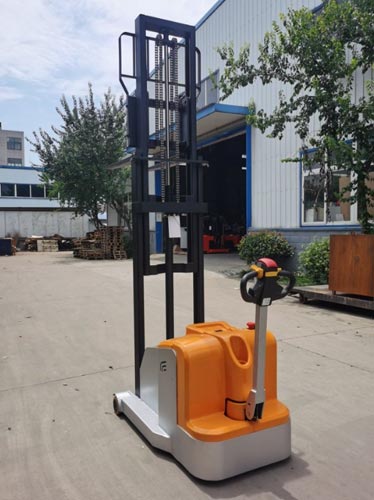
Noise occurs during both driving and lifting with obvious shaking: Loose frame fasteners, damaged counterweight or motor components.
Noise only emerges under heavy load while empty load runs silently: Overloaded cylinders, deformed masts or worn load wheels under pressure.
Self-inspection tip: Operate slowly with gentle lifting and driving to identify whether the noise comes from front wheels, rear wheels, mast or hydraulic power unit.
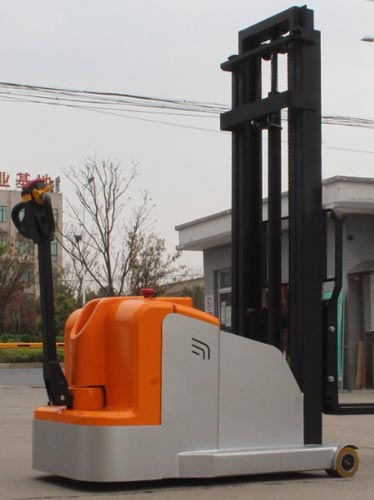
Step 2: Special Inspection For Travel Wheel Assembly (Most Common Fault Source)
Check gaps of front and rear load wheels & drive wheels, and clear tangled plastic straps, iron wires and wood scraps – foreign objects rubbing against wheels cause continuous scraping noise. Rotate each wheel manually; if rotation feels stiff with gritty grinding sound, bearings lack grease or are broken. Fill lubricating grease or replace damaged bearings directly. Tighten all wheel bracket fixing bolts. Loose screws lead to wheel shaking and banging against the frame, generating clanging impact sound. PU wheels crack and deform under long-term heavy loads, creating dull friction noise when rolling on the ground; replace severely deformed wheels with new ones.
Step 3: Troubleshooting Mast Lifting System Noise
Dry and rusty lifting chains produce harsh metal friction sound. Evenly coat the whole chain and guide rails with lubricating grease, then lift and lower repeatedly to eliminate noise. Worn or missing plastic wear blocks on both sides of the mast lead to direct metal friction between uprights, causing clicking sound during lifting; install new wear blocks to fix it. Loose mast fixing bolts and limit blocks result in shaking and impact when lifting to high heights; tighten all fasteners one by one. Uneven chain tension triggers shaking and noise during lifting; adjust chain tension screws to keep balanced tightness on both sides.
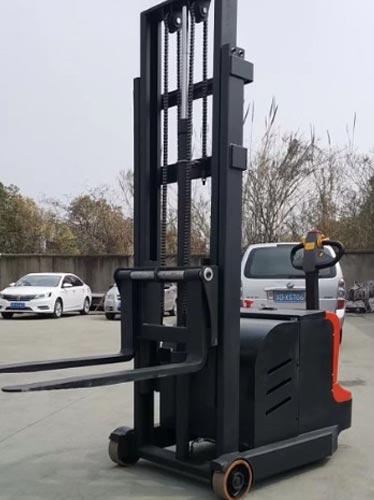
Step 4: Final Inspection of Hydraulic & Power System Noise
Humming noise from hydraulic pump during lifting: Insufficient hydraulic oil level or clogged oil filter. Top up matched hydraulic oil and clean dirt inside oil circuits.
Squeaking noise while lowering forks: Dry and slightly stuck cylinder dust seal. Clean cylinder surface dust and apply a small amount of lubricating grease.
Harsh running noise from motor: Worn internal carbon brushes or blocked heat dissipation holes. Clear dust and replace carbon brushes once worn out.
Heavy impact noise during pressure relief lowering: Failed hydraulic buffer valve. Operate lowering slowly and contact the manufacturer to repair the valve assembly.
Most noise problems can be eliminated after finishing these four steps. If the Walk-behind Counterbalance Stacker still generates abnormal noise, the fault is usually rare and complicated. We recommend inviting professional maintenance technicians for further inspection and repair.
-
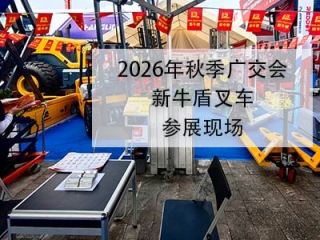 Newnewton Forklift Export, Canton Fair Electric Warehouse Forklift ManufacturerAt the 140th Canton Fair, Newnewton displays full electric warehouse equipment, including cold storage and explosion-proof models with CE, OEM and export support.
Do you like ?0
Read more -
 Electric Forklift Factory Direct Quotation, Warehouse Handling EquipmentSame model electric forklifts have varied quotes due to different configurations. Provide load, lift, working conditions and certifications for accurate direct factory pricing.
Do you like ?0
Read more -
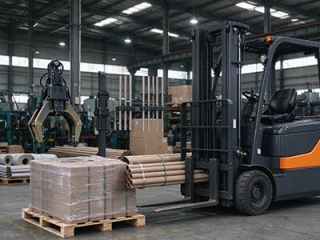 5 Common Working Scenarios for Customized Warehouse Forklift SolutionsStandard forklifts fail to fit special warehouse conditions. The factory offers customization for narrow aisles, cold rooms, explosion-proof and outdoor heavy-load scenarios.
Do you like ?0
Read more -
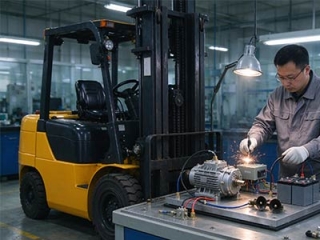 What Tests Are Conducted Before Explosion Proof Forklift DeliveryExplosion-proof forklifts are for flammable and dusty warehouses. They pass strict tests on structure, electrics, temperature and hydraulics before delivery.
Do you like ?0
Read more -
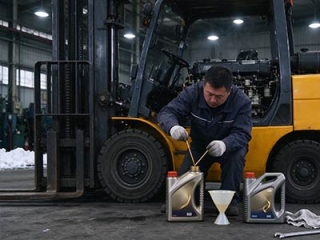 How to Maintain Internal Combustion Forklift in Cold WinterInternal combustion forklifts suffer hard starting and fuel icing in cold weather. Maintain fuel, oil, battery and cooling systems for winter use.
Do you like ?0
Read more -
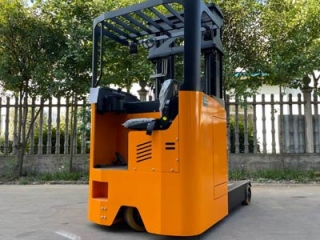 2 Ton Sit-down Reach Stacker, Sit-on Electric Reach Stacker2-ton seated reach stackers fit narrow aisle high rack warehouses. Its extending mast works for two-shift stacking; watch aisle size and high lift capacity deration.
Do you like ?0
Read more