
Price List & Cost Advantages of Lithium Battery Self-lifting Stacker
Nowadays, warehouse operators pursue both higher efficiency and lower operating costs. Purchasing a High Cost-performance Self-lifting Stacker is the perfect starting point to meet this business goal. Let’s break down the pricing of the Full Electric Self-lifting Stacker in 2026. Exchange rate reference: 1 CNY ≈ 0.148 USD
1-ton Lithium Battery Model: $1,184 – $1,480
Price varies based on three optional lifting heights: 1.3m, 1.5m, 1.6m. This stacker features thickened mast and double sealed hydraulic cylinders for long service life. Equipped with industrial lithium iron phosphate batteries, it only takes 2 hours for full fast charging to support all-day continuous operation.
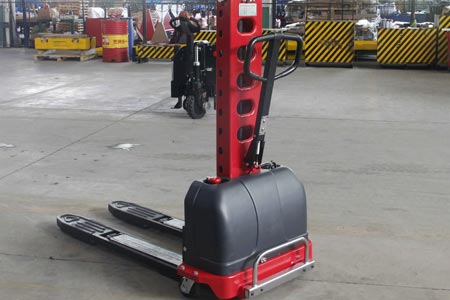
1.5-ton Load Model Factory Price: $1,628 – $2,220
Higher load capacity adopts thicker reinforced frame and forged components. It comes with thickened hydraulic cylinders, strengthened chassis and increased ground clearance, ideal for heavy pallet loading onto trucks and bulk distribution. This version is also equipped with lithium batteries as standard.
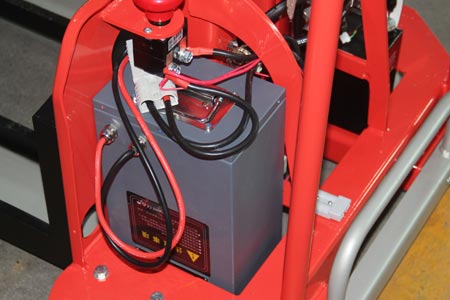
If the lithium version exceeds your budget, lead-acid battery alternatives are available, priced $118.4 – $296 cheaper. However, lead-acid batteries have obvious drawbacks: shorter cycle life, longer charging hours and higher routine maintenance expenses, which should be taken into consideration.
The High Cost-performance Self-lifting Stacker boasts outstanding material and performance advantages, perfectly matching truck-mounted delivery and narrow aisle stacking scenarios. It costs far less than standard forklifts while greatly boosting handling efficiency for all compact-space operations.
The 2026 new Lithium Battery Self-lifting Stacker comes standard with brushless motors, anti-drop pressure-maintaining cylinders and overload protection, cutting breakdowns including hydraulic leakage and motor wear by 70%. Though the initial purchase cost is slightly higher, its long-life maintenance-free lithium battery and fast charging ability slash labor, repair and battery replacement costs within a 3–5 year service cycle.
Therefore, the Lithium Battery Self-lifting Stacker delivers far better overall value. You can choose the suitable model based on your actual budget and working demands.
-
 Newnewton Forklift Export, Canton Fair Electric Warehouse Forklift ManufacturerAt the 140th Canton Fair, Newnewton displays full electric warehouse equipment, including cold storage and explosion-proof models with CE, OEM and export support.
Do you like ?0
Read more -
 Electric Forklift Factory Direct Quotation, Warehouse Handling EquipmentSame model electric forklifts have varied quotes due to different configurations. Provide load, lift, working conditions and certifications for accurate direct factory pricing.
Do you like ?0
Read more -
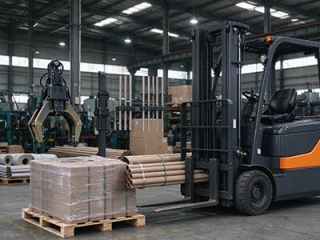 5 Common Working Scenarios for Customized Warehouse Forklift SolutionsStandard forklifts fail to fit special warehouse conditions. The factory offers customization for narrow aisles, cold rooms, explosion-proof and outdoor heavy-load scenarios.
Do you like ?0
Read more -
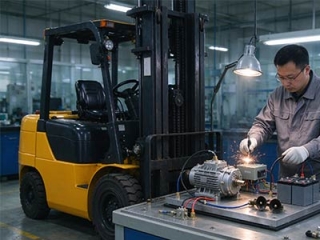 What Tests Are Conducted Before Explosion Proof Forklift DeliveryExplosion-proof forklifts are for flammable and dusty warehouses. They pass strict tests on structure, electrics, temperature and hydraulics before delivery.
Do you like ?0
Read more -
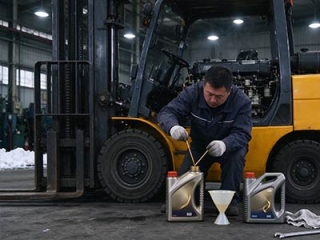 How to Maintain Internal Combustion Forklift in Cold WinterInternal combustion forklifts suffer hard starting and fuel icing in cold weather. Maintain fuel, oil, battery and cooling systems for winter use.
Do you like ?0
Read more -
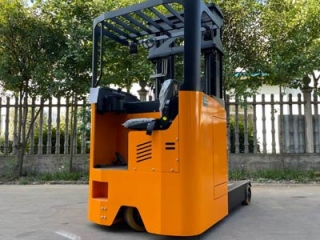 2 Ton Sit-down Reach Stacker, Sit-on Electric Reach Stacker2-ton seated reach stackers fit narrow aisle high rack warehouses. Its extending mast works for two-shift stacking; watch aisle size and high lift capacity deration.
Do you like ?0
Read more








