
How to Extend Battery Runtime of Lithium Stand-on Electric Pallet Truck
Many forklift operators are confused: Some forklift batteries can last 5 years without replacement, while their own batteries degrade severely after only 2 years with shrinking runtime. This is not an inherent defect of lithium batteries, but mainly caused by improper battery maintenance during daily use. This article fully introduces How to Extend Battery Runtime of Stand-on Electric Pallet Truck.
Daily Charging: Avoid Deep Power Drain
Lithium batteries suffer the most damage from full power depletion, which is the top cause of reduced runtime. Recharge your Lithium Stand-on Electric Pallet Truck promptly when 25% to 30% power remains. Never wait until the truck triggers low-voltage alarms and forced speed limits to charge. Deep discharge destroys the chemical structure of battery cells and leads to permanent capacity loss.
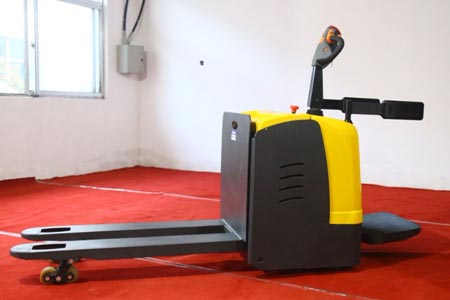
Fully charge the battery after each shift regardless of residual power left. Never park the truck outdoors overnight with low power. Low night temperatures accelerate battery self-discharge and easily result in severe power loss. Do not store the truck at full charge for long idle periods. If the equipment will be out of service for 2 to 3 days, store it at around 60% charge to better protect battery cells.
Fast Charge VS Slow Charge: Match Charging Mode to Working Scenarios
Distinguish applicable scenarios for fast and slow charging, and do not rely on fast charging for daily long-term use. All Lithium Stand-on Electric Pallet Truck models come with standard slow chargers, and fast chargers are only for emergency power replenishment.
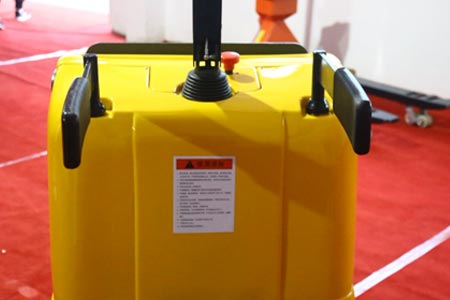
Always use the original standard slow charger for routine charging after work. Slow charging delivers mild current to fully balance cells, more than doubling the battery cycle life.
Short-term fast charging (no more than 1 hour per session) is allowed during lunch breaks to rush tight schedules. Complete a full balancing slow charge after work in the evening.
Frequent all-day fast charging is forbidden. Continuous high current generates excessive heat, accelerates aging of internal battery separators, and leads to cell bulging and increased internal resistance.
Charging Ambient Temperature: Stay Away From Extreme Heat and Cold
Lithium batteries have an optimal temperature range for charging and discharging; battery wear doubles when charged in overly hot or cold environments. The ideal charging temperature ranges from 20℃ to 30℃. If the battery gets hot after heavy-load transportation, leave the truck idle for 30 minutes to cool down before charging. Do not charge the truck under direct outdoor sunlight in summer or inside small enclosed charging rooms.
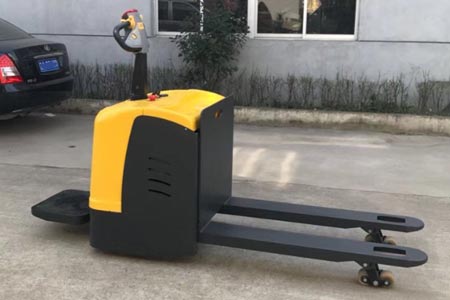
High-temperature charging will activate thermal protection, and long-term exposure to high heat carries a risk of battery bulging. In cold winter workshops, run the truck unloaded at low speed for 10 minutes to preheat the battery before connecting the charger. Charging at low temperatures reduces efficiency and causes permanent damage to battery cells.
To sum up, master and implement the above maintenance skills for your Lithium Stand-on Electric Pallet Truck to prolong battery lifespan and deliver longer-lasting performance. Feel free to contact us if you have any questions!
-
 Newnewton Forklift Export, Canton Fair Electric Warehouse Forklift ManufacturerAt the 140th Canton Fair, Newnewton displays full electric warehouse equipment, including cold storage and explosion-proof models with CE, OEM and export support.
Do you like ?0
Read more -
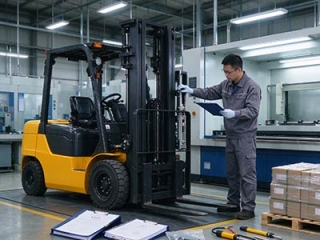 Electric Forklift Factory Direct Quotation, Warehouse Handling EquipmentSame model electric forklifts have varied quotes due to different configurations. Provide load, lift, working conditions and certifications for accurate direct factory pricing.
Do you like ?0
Read more -
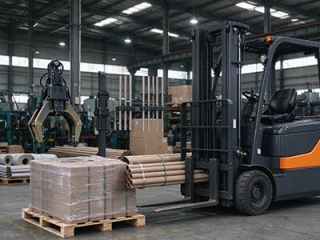 5 Common Working Scenarios for Customized Warehouse Forklift SolutionsStandard forklifts fail to fit special warehouse conditions. The factory offers customization for narrow aisles, cold rooms, explosion-proof and outdoor heavy-load scenarios.
Do you like ?0
Read more -
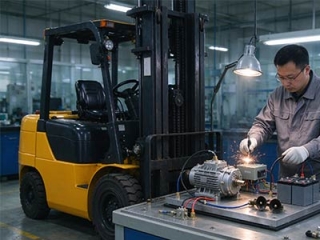 What Tests Are Conducted Before Explosion Proof Forklift DeliveryExplosion-proof forklifts are for flammable and dusty warehouses. They pass strict tests on structure, electrics, temperature and hydraulics before delivery.
Do you like ?0
Read more -
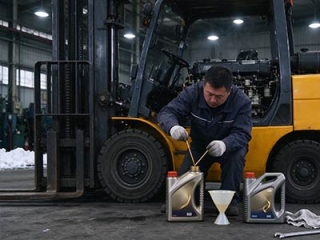 How to Maintain Internal Combustion Forklift in Cold WinterInternal combustion forklifts suffer hard starting and fuel icing in cold weather. Maintain fuel, oil, battery and cooling systems for winter use.
Do you like ?0
Read more -
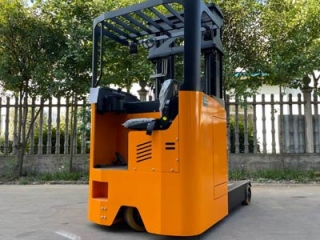 2 Ton Sit-down Reach Stacker, Sit-on Electric Reach Stacker2-ton seated reach stackers fit narrow aisle high rack warehouses. Its extending mast works for two-shift stacking; watch aisle size and high lift capacity deration.
Do you like ?0
Read more








