
How to Repair Stiff Steering of Stand-on Counterbalance Stacker
Stiff unresponsive steering is a critical malfunction for stand-on stackers. During daily warehouse operations, poor steering control easily leads to rack collisions, cargo scratches and even operator injuries. Once your stacker suffers jerky, heavy steering, perform troubleshooting immediately. This guide fully explains How to Repair Stiff Steering of Stand-on Stacker.
Step 1: Simple External Inspection (Low-cost priority check)
Foreign Debris Jammed Between Rear Wheel Gaps
Gravel, pallet wood scraps and iron wires trapped between steering wheels and steering axle brackets block wheel rotation and drastically boost steering resistance. Repair operation: Cut off power, lift the whole machine and clear all debris inside wheel brackets. Inspect tires for bulges or unilateral deformation; replace deformed load wheels to ensure identical outer diameter for both left and right wheels.
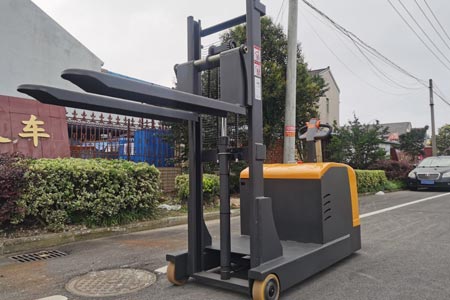
Interference & Collision From Misaligned Steering Limit Blocks
Long-term heavy-load impact shifts and deforms limit blocks. Wheels hit the blocks halfway through turning, causing obvious steering jamming. Repair operation: Realign the installation position of limit blocks, grind protruding contact surfaces and reserve proper clearance for full steering travel.
Step 2: Rust & Lack of Lubrication on Steering Linkages, Ball Joints & Kingpins (Most Common Fault)
Damaged dust boots on tie rod ball joints and kingpin pins allow dust and mud to seep inside, drying and caking original grease. Dry metal-to-metal friction creates stiff jerky steering with harsh creaking noises. Worn ball joint bushings also lead to excessive steering play and poor wheel self-centering performance.
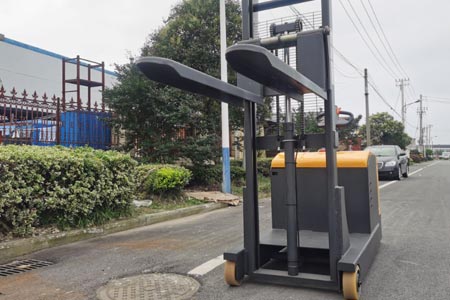
Standard Repair Process
Remove dust boots of ball joints and kingpins, thoroughly clean internal rust and hardened grease residue;
Refill long-lasting waterproof grease, turn the steering wheel left and right repeatedly to fully coat all friction surfaces;
Replace complete tie rod and ball joint assemblies if bushings or joints have excessive loose clearance to eliminate steering play.
Step 3: Rusted Jammed Steering Thrust Plane Bearings (Root Cause of Heavy Steering Feel)
Thrust bearings mounted on top of the steering axle bear the full weight of rear wheels. Failed waterproof seals let moisture and dust corrode bearing balls, locking rotation completely. Operators feel extremely heavy steering when turning in place with obvious low-speed jitter.
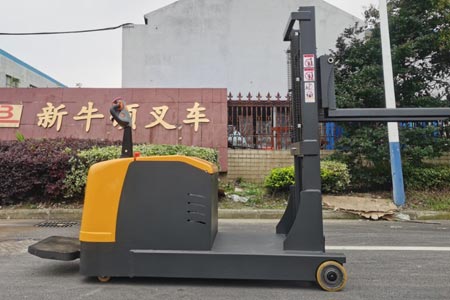
Standard Repair Steps
Jack up the stacker, remove steering wheels and upper cover of the steering axle, then take out the thrust bearing;
Fit brand-new original thickened thrust bearings if balls show pitting, rust or falling apart;
Apply abundant grease inside the bearing housing, install brand-new waterproof sealing rings to block re-entry of dust and moisture.
Summary
You now have a complete troubleshooting workflow for steering malfunctions on the Stand-on Counterbalance Stacker. Feel free to contact us for further consultation if you have extra questions or need professional technical support!
-
 Newnewton Forklift Export, Canton Fair Electric Warehouse Forklift ManufacturerAt the 140th Canton Fair, Newnewton displays full electric warehouse equipment, including cold storage and explosion-proof models with CE, OEM and export support.
Do you like ?0
Read more -
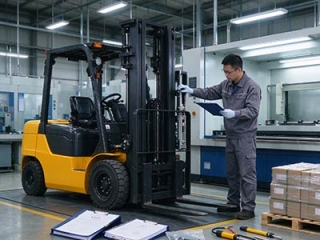 Electric Forklift Factory Direct Quotation, Warehouse Handling EquipmentSame model electric forklifts have varied quotes due to different configurations. Provide load, lift, working conditions and certifications for accurate direct factory pricing.
Do you like ?0
Read more -
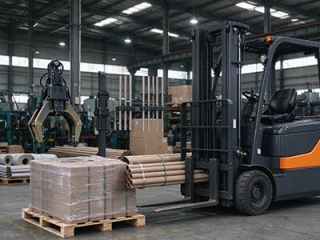 5 Common Working Scenarios for Customized Warehouse Forklift SolutionsStandard forklifts fail to fit special warehouse conditions. The factory offers customization for narrow aisles, cold rooms, explosion-proof and outdoor heavy-load scenarios.
Do you like ?0
Read more -
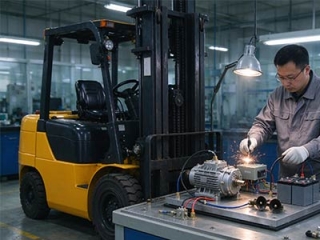 What Tests Are Conducted Before Explosion Proof Forklift DeliveryExplosion-proof forklifts are for flammable and dusty warehouses. They pass strict tests on structure, electrics, temperature and hydraulics before delivery.
Do you like ?0
Read more -
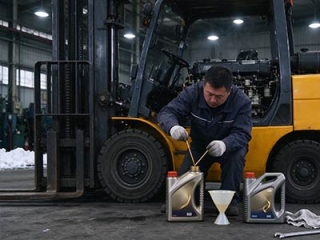 How to Maintain Internal Combustion Forklift in Cold WinterInternal combustion forklifts suffer hard starting and fuel icing in cold weather. Maintain fuel, oil, battery and cooling systems for winter use.
Do you like ?0
Read more -
 2 Ton Sit-down Reach Stacker, Sit-on Electric Reach Stacker2-ton seated reach stackers fit narrow aisle high rack warehouses. Its extending mast works for two-shift stacking; watch aisle size and high lift capacity deration.
Do you like ?0
Read more








