
High Repair Costs? Preventive Maintenance for Stand-on Counterbalance Stacker
High maintenance costs? Implement preventive maintenance for counterbalance stacker It’s frustrating to face frequent breakdowns and expensive repair bills when operating stand-on counterbalance stacker. In fact, regular preventive maintenance can effectively extend equipment service life and reduce failure frequency. This guide shares standard electric counterbalance stacker maintenance procedures for compliant and proper equipment care.
Pre-shift Daily Inspection (3–5 Minutes)
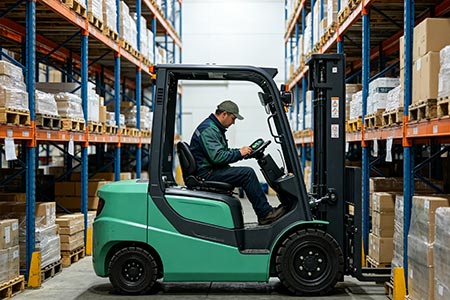
Check battery level on the dashboard and watch for error codes; Test mast lifting and lowering without load to detect abnormal noise or hydraulic pressure leakage; Inspect drive wheels and load wheels for tangled debris and deformation; Test steering performance to ensure smooth operation without jamming.
Weekly Routine Maintenance
Clear dust on the frame and electrical control box to avoid poor heat dissipation; Check hydraulic hoses and cylinders for oil seepage; Tighten wiring connectors to prevent looseness and oxidation caused by vibration; Clean dust on the battery and inspect charging connectors.
Monthly In-depth Maintenance
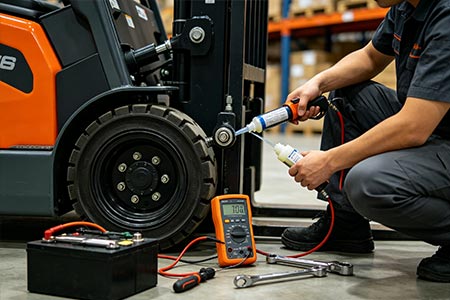
Add lubricating grease to mast pins and steering shafts to eliminate noise during lifting and steering; Inspect fixing bolts of counterweights to avoid rollover risks caused by loose parts; Test voltage of each battery cell. Standard charging and discharging habits slow battery degradation; Adjust brake travel regularly to guarantee operational safety.
Maintenance for Long-term Storage (Over 30 Days)
Lower forks fully to release hydraulic pressure; keep the battery charged at 50%-60%; start the stacker monthly to lift and lower forks without load repeatedly. This prevents oil seal aging and circuit dampness.
Warehouse operators and stacker trucks manufacturers all recognize the huge gap between well-maintained and neglected stand-on counterbalance stacker. Your long-term repair expenses largely depend on whether you stick to preventive maintenance schedules. Is your stacker receiving proper maintenance regularly?
-
 Direct Source Factory for Small Electric Forklifts | NewnewtonBuying forklifts from source factories saves markup and speeds up after-sales service. Check qualifications carefully to distinguish real manufacturers from OEM traders.
Do you like ?0
Read more -
 5 Troubleshooting Reasons for Slow Lifting Speed of Electric ForkliftSlow fork lifting is a common electric forklift fault. Check battery voltage, hydraulic oil, filter, pump and multi-way valve to quickly locate the root cause.
Do you like ?0
Read more -
 Lithium-ion Warehouse Forklift Brands Review, Advantages and DisadvantagesLithium forklift brands vary greatly, including major manufacturers, original factories and dealers. Compare Heli, Hangcha, Noblift, BYD to select models matching your budget.
Do you like ?0
Read more -
 Price Reference of Hydraulic Dock Leveler for Warehouse Loading BayHydraulic dock levelers include fixed and mobile types with large price gaps. Load capacity, steel and hydraulic systems are key factors to consider for procurement.
Do you like ?0
Read more -
 Charging & Storage Taboos for Lithium-ion Double Pallet Electric TruckLithium battery double pallet trucks suffer heavy discharge under load. Follow charging, storage and operation rules to slow cell aging and cut replacement costs.
Do you like ?0
Read more -
 High-level Stacking Safety Notes for Electric Three-way ForkliftThree-way electric forklifts face collision and falling risks in narrow aisles. Follow standard operating procedures for pre-check, traveling, stacking and finishing to ensure warehouse safety.
Do you like ?0
Read more








