Easy Operation Semi-Electric Stacker vs Full-Electric | Guide
When choosing a user-friendly warehouse forklift, stackers stand out for their convenient handling and stacking performance, making them ideal for warehouse operations. The key question for many buyers is: Semi-electric stacker vs full-electric, which one is more suitable for small and medium-sized warehouses? Let’s find out today.
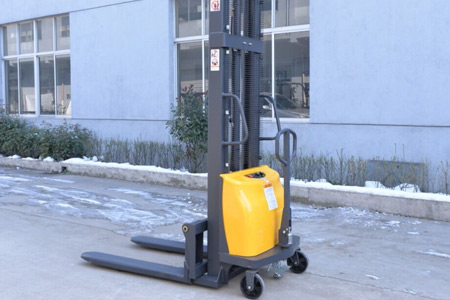
The differences between the two are clear from their names:
Semi-electric: Manual walking with electric fork lifting. This small semi-electric stacker is easy to operate with simple controls, perfect for beginners.
Full-electric: Both walking and lifting are operated by electric buttons. The operation is equally simple but requires some time to get familiar with the control handle’s speed adjustment and braking functions.
Which is better, semi-electric stacker or full-electric stacker? In terms of cost, semi-electric models are obviously more affordable than full-electric ones. They also have lower failure rates and simpler, cheaper maintenance. However, they are not ideal for long-distance, high-frequency stacking, as operators will get tired easily and the machine may face excessive load, leading to inefficiency.
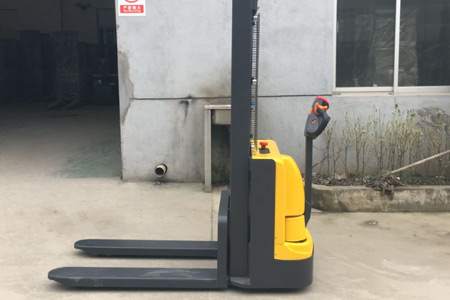
Therefore, when comparing the performance and cost of the two, you should also consider your actual warehouse conditions—such as shipment volume, handling frequency, and staff allocation. Only by matching the right forklift to your needs can you improve work efficiency effectively.
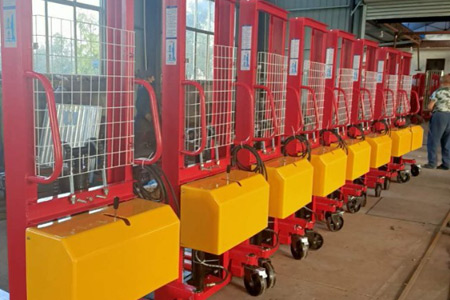
The easy operation semi-electric stacker features a lightweight body and flexible steering, allowing smooth movement in narrow spaces. With its affordable price, durability and low failure rate, it is the top choice for small warehouse starters. If you have no prior experience with stackers, this model is a reliable pick that meets the demands of most small and medium-sized warehouses.
-
 Is Stand-on Counterbalance Stacker Brand Ranking Reliable?When selecting ride-on counterbalance stackers, brand lists are only for reference. Verify qualifications, core parts and after-sales supply based on warehouse conditions.
Do you like ?0
Read more -
 Core Components Check for Light Electric Walkie StackerWhen choosing walkie stackers, durability relies on four key parts: mast, frame, hydraulic system and battery, instead of merely appearance.
Do you like ?0
Read more -
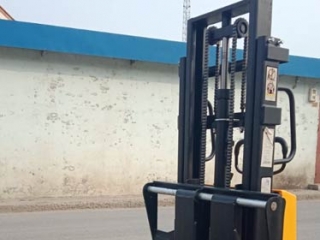 Semi-Electric Hydraulic Stacker Price Guide For WarehouseSemi-electric stackers fit short stacking in small warehouses. Prices vary by load, lifting height and battery, covering 1t,1.5t and 2t models for comparison.
Do you like ?0
Read more -
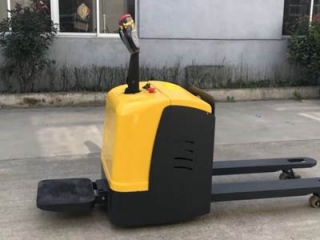 Operating Procedures for Ride-on Full Electric Pallet TruckRide-on electric pallet trucks suit long-distance and high-frequency warehouse handling. Standardize pre-operation inspection and workflow to eliminate risks and improve efficiency.
Do you like ?0
Read more -
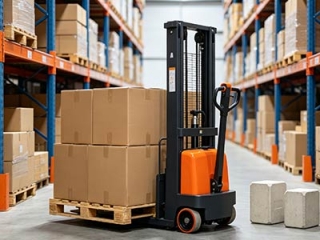 How to Choose Load Capacity for Manual Hydraulic StackerManual stacker selection requires considering load attenuation and offset load. Follow four scientific rules including safety margin and fork pallet matching for proper load specification.
Do you like ?0
Read more -
 Direct Source Factory for Small Electric Forklifts | NewnewtonBuying forklifts from source factories saves markup and speeds up after-sales service. Check qualifications carefully to distinguish real manufacturers from OEM traders.
Do you like ?0
Read more