Hydraulic Semi-Electric Stacker | Price & Configuration Guide
How much is a semi-electric stacker? Many buyers notice that hydraulic semi-electric stackers marked as 1.5 tons can differ by thousands in price. Low-price options may use thinner materials and suffer obvious load loss at high lifting heights. Knowing the price range is only the first step. A semi-electric stacker is manually pushed with electric lifting, and its price gap mainly comes from four core configurations you must check during comparison.
Battery A hardware warehouse once picked a low-cost lead-acid model for frequent stacking. Its battery cycle life was limited and the runtime dropped sharply after about one year. Lithium battery versions cost more upfront but support opportunity charging for intermittent daytime work. Standard lead-acid batteries suit low-frequency use in small shops, while industrial lithium batteries last longer and charge faster for two-shift operations, with a price gap of two to three thousand.
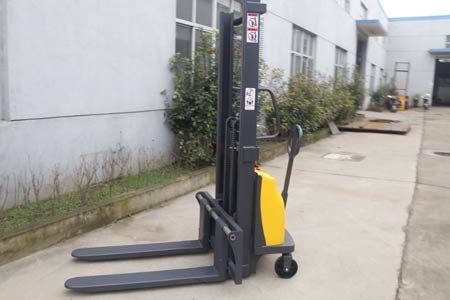
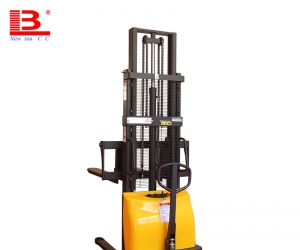
Mast steel plate and lifting height For the same load capacity, the basic 1.6m two-stage mast carries a lower price. 2.5m or 3m high masts require thicker steel plates and reinforced chains, adding extra mast assemblies and raising costs. Cheap thin masts shake heavily at high heights and lose load capacity easily under full load, which is unsafe for long-term heavy stacking.
Hydraulic power unit This part determines overall durability. Generic simple pump units use low-quality seals and tend to leak oil, lose pressure and lift jerkily after months. Brand integrated pump units with wear-resistant oil seals deliver steady lifting and fewer repairs. Although quoted higher at first, they cut long-term maintenance expense. Cheap models often cut costs by using thin cylinders and oil hoses.
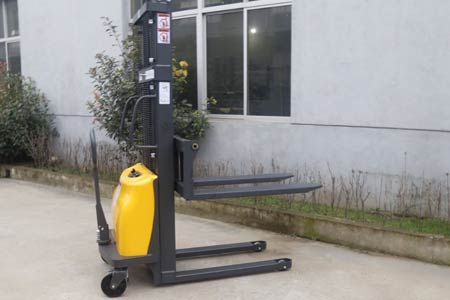
Frame and optional accessories Stackers with thickened frames and widened outriggers are more stable. Budget frames simplify welding processes to save cost. Extra options such as extended forks, side shifters, safety guards and low-temperature adaptation will also bring extra charges.
Therefore, do not compare only by rated tonnage. Check battery type, mast thickness, pump brand and maximum lifting height together to avoid low-price traps. Contact us for detailed quotations and handling solutions if you are interested in hydraulic semi-electric stacker.
-
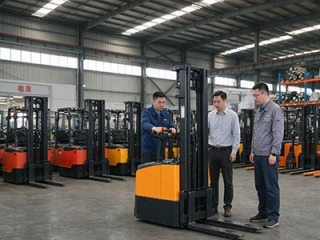 Wholesale Electric Stacker Directly From Chinese ManufacturerNewnewton is a direct manufacturer of electric stackers, supplying stock, custom, OEM and full-container export orders with complete documents.
Do you like ?0
Read more -
 What Are the Fixing Methods for Truck-Mounted ForkliftTruck-mounted forklifts may shift during transit. Use crossed straps, anchor chains and steel stops together with forks lowered and power off.
Do you like ?0
Read more -
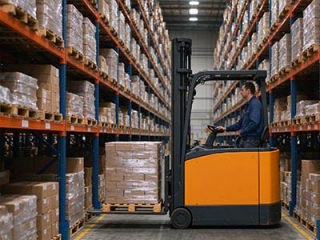 Best Pallet Stacker: How to Choose the Right Pallet Stacker for Your WarehouseDo not buy stackers only by price. Watch load derating, aisle size and pallet fit. Check load curves and site conditions to avoid mistakes.
Do you like ?0
Read more -
 Narrow Aisle Warehouse Selection: Advantages of Small Walkie StackerCompact walkie electric stackers suit old warehouses with narrow aisles around 2.2m. Measure clear aisle width and stacking parameters before selection.
Do you like ?0
Read more -
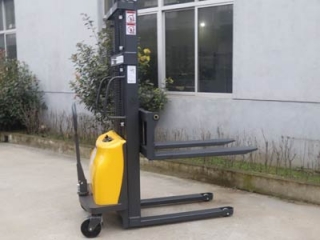 Hydraulic Semi-Electric Stacker | Price & Configuration Guide1.5t semi-electric stackers have big price gaps from battery, mast steel, hydraulic unit and frame. Compare full specs instead of rated capacity only.
Do you like ?0
Read more -
 Can Manual Hydraulic Stacker Be Used With Oil LeakageStop using leaking manual stackers. Oil leakage causes load dropping, part wear and slippery floors, bringing safety risks especially in food warehouses.
Do you like ?0
Read more