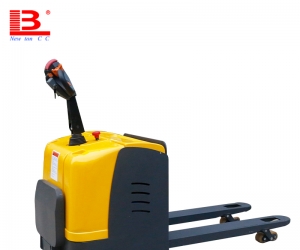
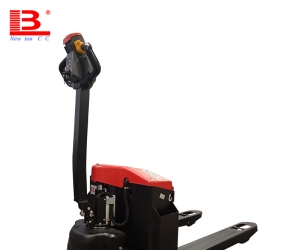
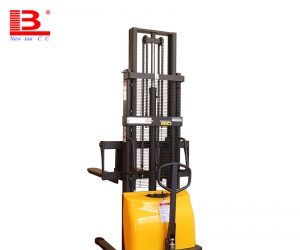
3 Steps to Troubleshoot Lifting System of Self-loading Truck Forklift
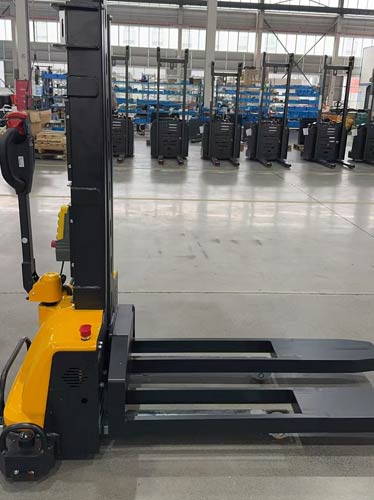
Electric self-loading truck forklift is widely used for loading and unloading goods on trucks. The continuous vibration and bumping during vehicle transportation accelerate the wear of hydraulic and electrical components. The lifting system acts as the core actuator and a high-failure part. Once the lifting function fails, loading and unloading work will stop immediately and delay warehouse delivery schedules. Many users wonder about self-loading truck forklift common troubleshooting.
Master these 3 basic inspection steps, warehouse maintenance staff can quickly locate simple faults, reduce downtime waiting for after-sales service and cut losses during cargo handling.
Check power and power supply status First check the battery level. Insufficient battery power reduces the output power of the hydraulic pump, leading to slow lifting movement or no response at all. Check whether the battery terminals are loose, oxidized or rusted. Long-distance vibration during transportation easily causes poor circuit contact. Also confirm if the emergency stop button is pressed by mistake. The emergency stop lock will cut off power to the lifting system directly, and the operation buttons cannot work.
Inspect hydraulic oil circuit Check the hydraulic oil level inside the oil tank. If the oil level is below the standard scale, oil supply will be insufficient, resulting in weak platform lifting and failure to reach the target height under heavy load. Check oil pipes and joints for oil seepage or leakage. Pressure loss in the oil circuit will cause the platform to slide down automatically with cargo on board, bringing potential safety hazards. If hydraulic oil has been used for too long, deteriorated oil mixed with dust impurities will block the pipeline and lead to jerky and discontinuous lifting actions.
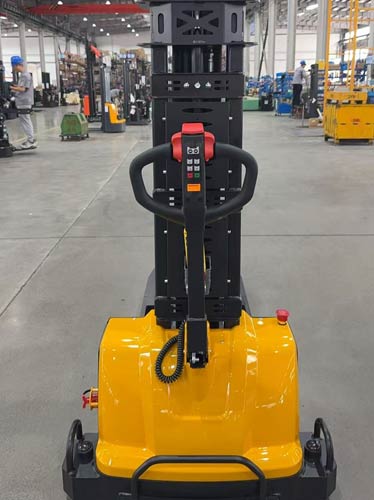
Test control valve and executive components Press the lifting buttons repeatedly for testing and listen carefully to check if the hydraulic pump runs normally. If the pump works but the platform cannot lift, the hydraulic valve spool is likely stuck. If there is no running sound at all, focus on checking control switches, motors and circuit continuity. Never carry out maintenance when cargo is suspended during troubleshooting. Lower the platform to the lowest position and set mechanical safety supports before inspection.
Daily electric self-loading truck forklift maintenance is relatively simple. But for complex faults of key parts such as hydraulics and motors, do not disassemble the equipment casually. Professional repair service is recommended to avoid safety risks. Feel free to contact us if you have any questions.
-
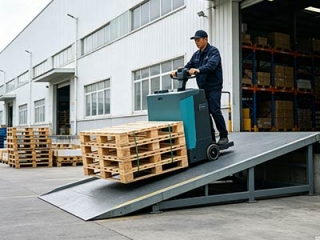 DC vs AC Drive for Walk-behind Lithium Pallet Truck Principle IntroductionWalk-behind electric pallet trucks have DC and AC drives affecting power and lifespan. DC costs less while AC offers stronger climbing and longer service.
Do you like ?0
Read more -
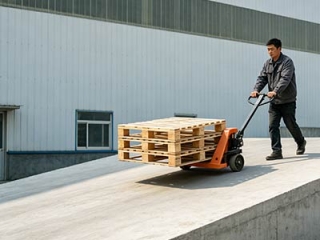 Risks of Using Manual Pallet Jack on Ramps & Safety TipsManual pallet trucks carry safety risks on ramps. They are only for slopes within 5%. Control load and operation, and avoid slippery steep slopes.
Do you like ?0
Read more -
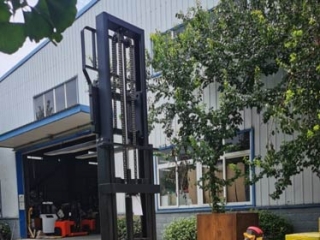 5 Practical Features of Walk-behind Counterbalance Stacker for Narrow WarehouseWalk-behind counterbalance stackers have no front outriggers. Compact for narrow aisles, they handle various pallets with stable lithium battery power.
Do you like ?0
Read more -
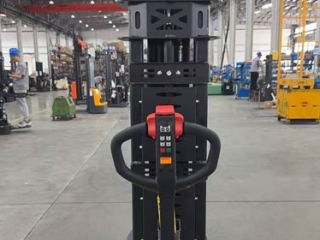 3 Steps to Troubleshoot Lifting System of Self-loading Truck ForkliftElectric self-loading stackers suffer lifting faults from bumps. Check power supply, hydraulic lines and control valves for quick basic troubleshooting.
Do you like ?0
Read more -
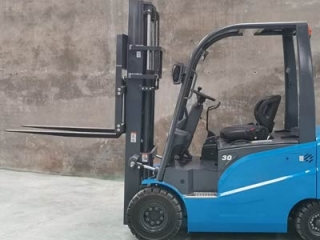 3 Ton Diesel Forklift Market Price & Influencing Factors3 ton diesel forklifts serve outdoor heavy loads. Its price relates to mast, engine and attachments. Distinguish bare unit price and check emission standards.
Do you like ?0
Read more -
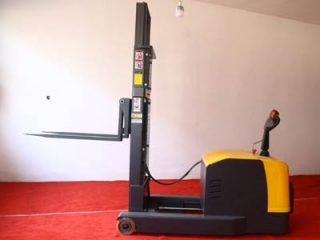 4 Core Differences Between Reach and Counterbalance Electric StackersRide-on reach stackers and counterbalance stackers differ in aisle, high-lift performance and maintenance. Select models by warehouse and pallet parameters.
Do you like ?0
Read more