Ride-on Reach Stacker Battery Maintenance, Ride-on Lithium Reach Stacker
Damaged lithium batteries will halt high stacking work in narrow aisles, and new battery replacement costs are high. You can effectively prevent under-voltage damage by mastering ride-on reach stacker battery maintenance rules.
Never store the battery after deep discharge. Lithium batteries work differently from lead-acid batteries. If left fully drained for a long time, cell voltage drops continuously. This may trigger BMS lockup and cause permanent damage to cells. Do not wait until the stacker runs out of power; recharge it when the remaining power is low.
Control charging environment and procedures. Charge in ventilated and dry areas away from direct sunlight, extreme cold and damp places. High temperature accelerates cell aging, while low temperature slows charging and reduces battery activity. Always use the original matched charger instead of incompatible substitutes. Watch for overheating and strange odors during charging, and unplug promptly once fully charged to avoid long overcharge.
Inspect battery shell and wiring regularly. Check for dents, cracks and bulges on the battery casing, as well as loose, oxidized or wet connectors. The telescopic mast and frequent steering of reach stackers pull wires easily. Loose plugs lead to poor contact and random power cuts. Clean oxidized connectors and replace damaged cables immediately. Pay attention to working load. High lifting, frequent acceleration and steering bring high discharge current.
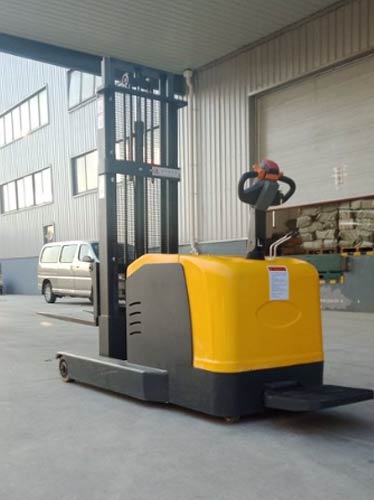
Continuous heavy-duty operation speeds up battery degradation. Do not overload the stacker for long periods. Stop the machine occasionally for heat dissipation after continuous work. Stop using the battery if range drops sharply or alarms appear frequently.
Proper daily care can extend service life and cut replacement expense of ride-on lithium reach stacker. Contact us if you need more battery operation guidelines.
-
 Newnewton Forklift: Full Range Warehouse Handling Equipment with Spot SupplyNewnewton runs a 4000㎡ factory in Taizhou with full warehouse equipment range. Ready stock, OEM, CE certification and sufficient spare parts available.
Do you like ?0
Read more -
 Warehouse Stacker Source Factory, Electric Warehouse StackerElectric stackers vary widely in price. Verify factory capacity, specs and after-sales service, test machines and avoid under-configured middlemen.
Do you like ?0
Read more -
 Ride-on Reach Stacker Battery Maintenance, Ride-on Lithium Reach StackerReach rider lithium stackers face costly battery damage. Proper charging, wiring inspection and load control extend battery life and cut downtime.
Do you like ?0
Read more -
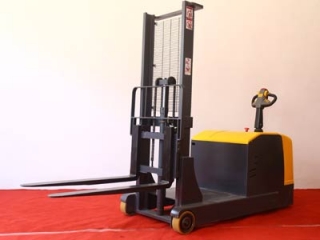 Custom Pallet Ride-on Counterbalance Stacker, Legless Ride-on StackerForklifts as on-site special equipment need annual inspection. Check documents, structure, safety devices and hydraulic systems in advance.
Do you like ?0
Read more -
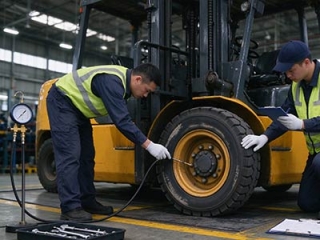 Forklift Annual Inspection Process and Requirements, Basic Forklift KnowledgeForklifts as on-site special equipment need annual inspection. Check documents, structure, safety devices and hydraulic systems in advance.
Do you like ?0
Read more -
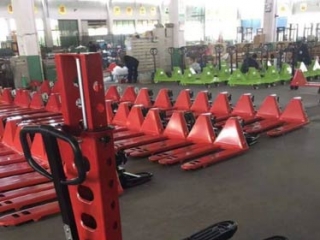 Difference Between Electric Self-loading Stacker and Truck Mounted ForkliftSelf-climbing trucks and truck-mounted forklifts handle cargo loading differently. Choose based on load, modification needs and actual working scenarios.
Do you like ?0
Read more