Manual Pallet Truck VS Small Electric Stacker Warehouse Selection Comparison
Many warehouse buyers confuse Manual Hydraulic Pallet Truck and Small Electric Stacker. These two types of handling equipment have completely different functions and adapt to different workloads. Based on the 2026 warehouse equipment TCO total lifecycle cost report, national maintenance standards and Newnewton customer data, this article delivers multi-dimensional Comparison Between Manual Pallet Truck And Stacker.
1. Comparison of Core Functions & Working Capacity
Manual Hydraulic Pallet Truck
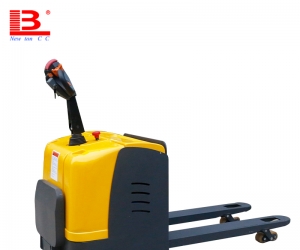
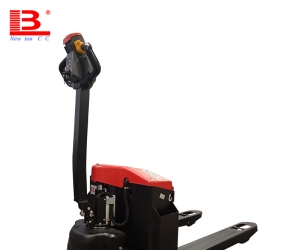
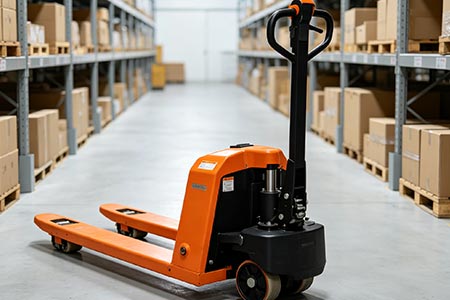
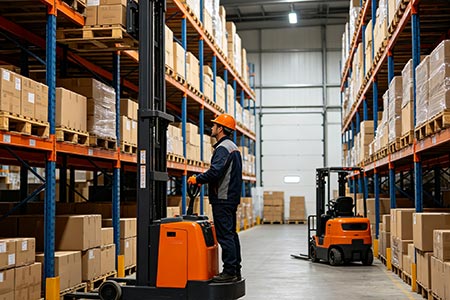
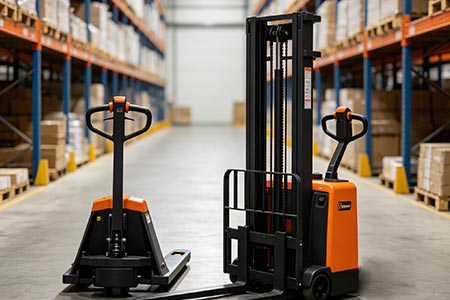
Comply with GB/T27542-2019. It only supports short-distance pallet transfer. Max lifting height is 200mm; it can only drag goods on the ground and cannot stack goods on racks. Load capacity: 1.5–3 tons. Fully manually pushed and lifted. Ultra-small turning radius, flexible in elevators, containers and narrow aisles. No lifting mast, lightweight body. Application: Workshop short-distance transfer, truck loading & unloading, ground cargo circulation; unable to finish stacking on second-tier racks.
Small Walk-behind Electric Stacker
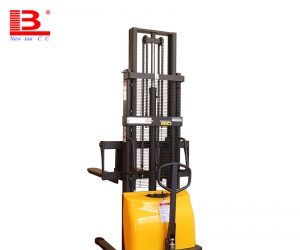
Comply with GB/T36507-2018. Equipped with lifting mast, lifting height ranges from 1.6–4.5m to realize multi-layer rack stacking. Electric travel + electric hydraulic lifting. Operators only control direction manually. Load capacity: 1–2 tons. With mast structure, slightly larger footprint, suitable for three-dimensional rack warehouses. Application: Warehousing loading, high-level picking, three-dimensional storage; meets both short transfer and stacking demands.
2. Full Lifecycle Cost Test Comparison
Comparison condition: 5-year service cycle, 6 working hours per day
Initial procurement cost Manual Hydraulic Pallet Truck: Basic model ¥600–2200, ultra-low entry cost. Brushless lithium Small Electric Stacker: ¥12000–19000, much higher upfront investment.
Labor cost (field test data) Within 30 pallets daily: Single operator can handle manual trucks with limited physical burden, no extra labor expense. Over 80 pallets daily with stacking work: Operators fatigue rises by 70% using manual trucks. An extra assistant is usually required, increasing annual labor cost by ¥48000. One single operator can complete transfer and stacking with electric stackers, cutting labor demand by over 35%.
Annual maintenance & energy expense Manual Hydraulic Pallet Truck: No electrical components. Consumables are only wheels and hydraulic seals. Annual maintenance ¥200–300, zero electricity cost. Total 5-year maintenance expense less than ¥1500. Small Electric Stacker (brushless lithium): Annual maintenance ¥500–800, power consumption 2–3 kWh per day (around ¥400 electricity cost per year). Lithium battery replacement every 5–7 years costs ¥1800. Comprehensive 5-year operation cost roughly ¥5500.
5-year total cost conclusion ≤30 pallets daily without stacking: Manual hydraulic pallet truck achieves lower total cost, saving over ten thousand RMB within 5 years. 80+ pallets daily plus multi-layer rack stacking: Electric stacker saves massive labor expense. The average payback period is 2.5 years, with lower long-term overall expenditure.
Summary
Manual Hydraulic Pallet Truck and r differ greatly and fit separate scenarios. When selecting equipment, do not merely compare purchase prices. Calculate comprehensively based on daily pallet volume, rack height and labor expenditure to get the optimal warehouse handling solution.
-
 Direct Source Factory for Small Electric Forklifts | NewnewtonBuying forklifts from source factories saves markup and speeds up after-sales service. Check qualifications carefully to distinguish real manufacturers from OEM traders.
Do you like ?0
Read more -
 5 Troubleshooting Reasons for Slow Lifting Speed of Electric ForkliftSlow fork lifting is a common electric forklift fault. Check battery voltage, hydraulic oil, filter, pump and multi-way valve to quickly locate the root cause.
Do you like ?0
Read more -
 Lithium-ion Warehouse Forklift Brands Review, Advantages and DisadvantagesLithium forklift brands vary greatly, including major manufacturers, original factories and dealers. Compare Heli, Hangcha, Noblift, BYD to select models matching your budget.
Do you like ?0
Read more -
 Price Reference of Hydraulic Dock Leveler for Warehouse Loading BayHydraulic dock levelers include fixed and mobile types with large price gaps. Load capacity, steel and hydraulic systems are key factors to consider for procurement.
Do you like ?0
Read more -
 Charging & Storage Taboos for Lithium-ion Double Pallet Electric TruckLithium battery double pallet trucks suffer heavy discharge under load. Follow charging, storage and operation rules to slow cell aging and cut replacement costs.
Do you like ?0
Read more -
 High-level Stacking Safety Notes for Electric Three-way ForkliftThree-way electric forklifts face collision and falling risks in narrow aisles. Follow standard operating procedures for pre-check, traveling, stacking and finishing to ensure warehouse safety.
Do you like ?0
Read more