Manual Hydraulic Lifting Platform | Low Frequency Operation Selection Guide
Many purchasers struggle with a common question: which one is better for occasional warehouse tasks, Manual Hydraulic Lifting Platform or electric lifting platform? Neither type has absolute advantages. The final choice depends on your actual warehouse conditions. This article sorts out clear selection criteria, advantages, disadvantages and applicable working conditions to help you make quick decisions.
Definition of Operation Frequency
Low frequency operation standard Few lifting cycles per day, intermittent usage. Equipment is activated once every few days, such as monthly stocktaking, occasional maintenance and sporadic high-level restocking. Idle time is far longer than working hours.
High frequency operation standard Continuous multiple lifting cycles every day, routine rack picking and non-stop aerial work throughout shifts.
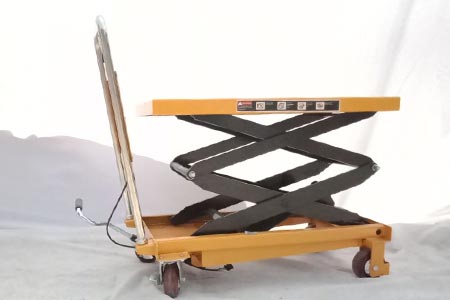
Manual Hydraulic Lifting Platform (Foot Pump Type)
Core Advantages
Lower procurement investment With identical load capacity and lifting height, its purchase price is much lower than electric models. It will not occupy large capital funds for low-frequency idle scenarios.
No power supply restriction It relies on foot hydraulic pump for lifting, requiring no power cables or charging. Suitable for workshops without fixed power, explosion-proof zones and temporary sites.
Simple structure with low maintenance burden No motors, controllers or traction batteries. You only need to inspect hydraulic oil and lubricate pins regularly. There is no risk of battery damage caused by long-term idle storage, which is the biggest highlight for low-frequency working conditions.
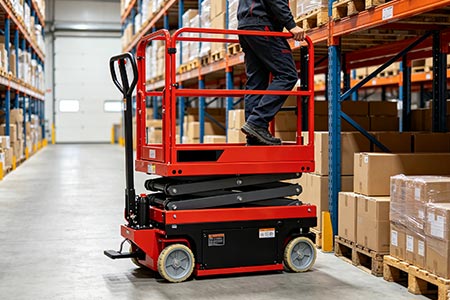
Lightweight frame for easy transfer Equipped with silent polyurethane casters, one person can push it effortlessly. It travels flexibly through narrow aisles and freight elevators, and occupies limited storage space when idle.
Disadvantages
Lifting requires repeated foot pumping, leading to heavy labor intensity during frequent lifting. Not suitable for mass continuous aerial operations.
Electric Lifting Platform (Electric Hydraulic Self-lifting Platform)
Core Advantages
One-touch electric lifting without manual pumping, reducing staff fatigue. It supports repeated continuous lifting and improves efficiency for long-duration aerial tasks.
Disadvantages
Higher overall purchase cost.
Equipped with traction batteries. Regular supplementary charging is mandatory during long idle periods; prolonged storage easily causes battery degradation and bulging, bringing hidden extra costs.
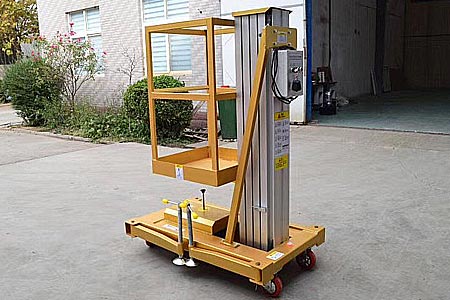
Numerous electrical components face failure risks from dust and moisture when standing idle.
Selection Reference Standards
✅ Choose Manual Hydraulic Lifting Platform if any condition matches:
Low-frequency intermittent operation with most idle time;
No fixed charging stations on site, or explosion-proof requirements banning electric equipment;
Avoid battery charging management and electrical maintenance troubles;
Limited budget, only basic aerial lifting functions required to control initial investment;
Used for monthly inventory, irregular maintenance and occasional restocking.
✅ Choose electric lifting platform if any condition matches:
Multiple continuous aerial lifting cycles every day for long-term picking work;
Heavy workload with frequent lifting, manual pumping reduces overall productivity;
Staff perform aerial work for long hours and need lower labor intensity;
Stable charging area available inside the warehouse with dedicated equipment management staff.
You can make the decision according to your real warehouse situation. Feel free to contact us for free consultation and customized handling solutions if you have further questions.
-
 Direct Source Factory for Small Electric Forklifts | NewnewtonBuying forklifts from source factories saves markup and speeds up after-sales service. Check qualifications carefully to distinguish real manufacturers from OEM traders.
Do you like ?0
Read more -
 5 Troubleshooting Reasons for Slow Lifting Speed of Electric ForkliftSlow fork lifting is a common electric forklift fault. Check battery voltage, hydraulic oil, filter, pump and multi-way valve to quickly locate the root cause.
Do you like ?0
Read more -
 Lithium-ion Warehouse Forklift Brands Review, Advantages and DisadvantagesLithium forklift brands vary greatly, including major manufacturers, original factories and dealers. Compare Heli, Hangcha, Noblift, BYD to select models matching your budget.
Do you like ?0
Read more -
 Price Reference of Hydraulic Dock Leveler for Warehouse Loading BayHydraulic dock levelers include fixed and mobile types with large price gaps. Load capacity, steel and hydraulic systems are key factors to consider for procurement.
Do you like ?0
Read more -
 Charging & Storage Taboos for Lithium-ion Double Pallet Electric TruckLithium battery double pallet trucks suffer heavy discharge under load. Follow charging, storage and operation rules to slow cell aging and cut replacement costs.
Do you like ?0
Read more -
 High-level Stacking Safety Notes for Electric Three-way ForkliftThree-way electric forklifts face collision and falling risks in narrow aisles. Follow standard operating procedures for pre-check, traveling, stacking and finishing to ensure warehouse safety.
Do you like ?0
Read more