
The difference and use of manual stacker and electric stacker
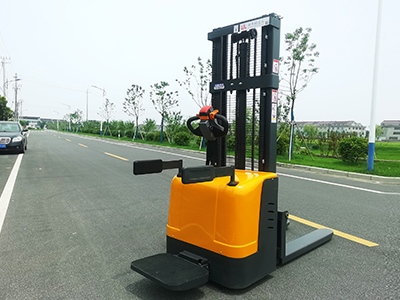
manual forklift When we first heard the name, we knew that it must be a vehicle that can be used at heights. Yes, its main application is the industrial industry that can load, unload, stack, stack and transport goods in Chengjian's first and short distances. Model, many people want to ask, we also have electric stackers, why do we need to use manual ones? The electric stacker supplier told us that manual operation also has its own advantages and is an irreplaceable vehicle in industrial warehouses. It is suitable for operations in narrow aisles and limited spaces, and is an ideal equipment for high-bay warehouses and workshops to load and unload pallets.
Both manual forklift and electric forklift belong to the same kind of forklift, but there is a big gap in comparison, and there are also great changes in functionality and effect. The manual forklift has an advantage over electric forklifts to a certain extent. Slightly lower, the electric stacker supplier told us, but the manual stacker must have its own advantages that it has not been eliminated in the changing times.
Manual forklift is a manual stacking vehicle, which refers to various vehicles for loading and unloading, stacking, stacking and short-distance transportation of palletized goods. It is suitable for operations in narrow passages and limited spaces, with simple structure, flexible control, good fretting, and high explosion-proof safety performance. The manual stacker can be combined with pallets, containers, etc. to achieve unitized transportation, which not only reduces collisions, scratches, etc., but also reduces the workload and stacking area, and greatly improves work efficiency. If it is used for warehouse transportation, the electric stacker is time-saving and labor-saving, but the price is relatively higher than the manual one. The electric stacker supplier reminds us that the price of manual stackers is lower than that of electric ones, and the practicality also has certain advantages.
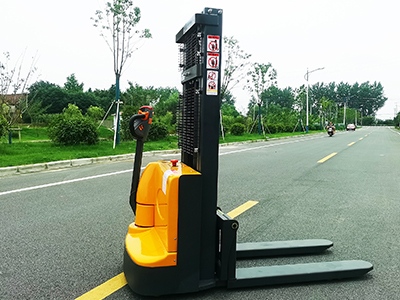
In fact, what kind of stacker we choose is determined according to our own situation. Each has its own advantages and disadvantages. It is the best and safest to choose the one that is practical. From price to function, we must choose clear.
-
 3 Core Advantages of Sit-Down Reach Telescopic StackerRide-on reach stackers suit narrow-aisle high stacking for dense warehouses. No rack modification needed, balancing storage density, continuous operation and medium-high lifting capacity.
Do you like ?0
Read more -
 How to Find a Reliable Forklift Manufacturer for Warehouse UseWarehouse buyers often meet middlemen posing as manufacturers with low-price traps and poor after-sales. Verify production qualifications, quotation details and custom capacity to find reliable forklift suppliers.
Do you like ?0
Read more -
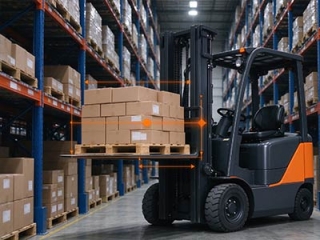 What Is the Load Center of a Forklift? 2 Key Points to UnderstandMany buyers only check rated load and ignore load center. It is the horizontal distance from load gravity to fork root; offset gravity reduces capacity and brings tipping risks.
Do you like ?0
Read more -
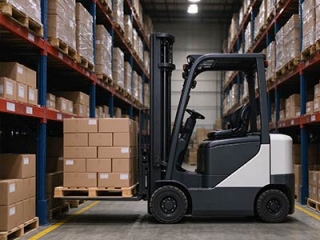 Custom Narrow Aisle Electric Forklift for Compact Workshop Production LinesNarrow aisles in old factories cause collision risks for standard forklifts. Custom narrow aisle electric forklifts with optimized body suit tight workshop material transfer.
Do you like ?0
Read more -
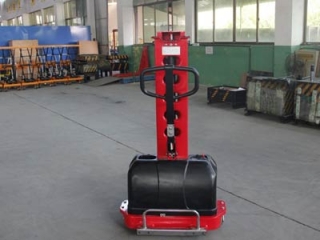 Self Loading Pallet Stacker: Solve Loading Trouble for Remote DeliveryLong-distance multi-stop fleets struggle with no forklifts at drop-off sites. Truck-mounted self-loading forklifts let drivers handle stacking alone and boost delivery turnover.
Do you like ?0
Read more -
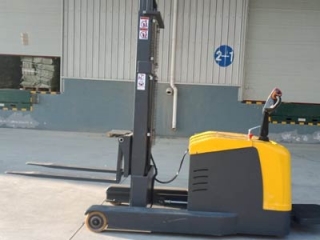 3 Mast Types: Stand-on Reach Stacker for Different Rack HeightsWhen selecting stand-on reach stackers, check mast retracted height besides rack levels. 1/2/3-stage masts have different lifting ranges; consider clearance, load and rack height.
Do you like ?0
Read more








