How to spend the running-in period of the semi-electric stacker?
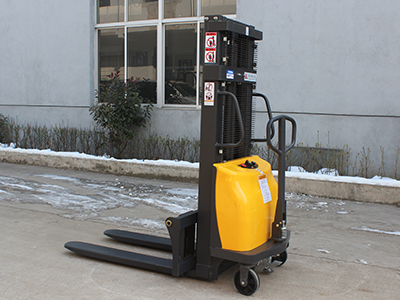
Recently, many customers have purchased semi electric stacker, so are there any precautions for newly purchased semi electric stacker? How do we maintain the running-in period? Let's talk about some related topics:
1. During the initial run-in of the new semi electric stacker, heavy objects should not be transported. One is that it takes a period of time to run-in between the components, and the other is that the operator also needs a period of time to familiarize themselves with the operation. Heavy objects can easily tip over if handled incorrectly.
2. Before loading, operate the truck 1-3 times empty to check whether the parts of the semi electric stacker are running abnormally, and then the load can only be carried out after the inspection is correct.
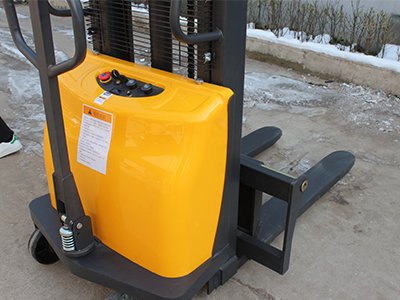
3. Carry out daily, weekly and monthly inspections carefully and thoroughly in accordance with the requirements of the semi-electric stacker manufacturer. Daily inspection refers to the inspection of electricity and other vulnerable parts such as wheels and chains. Weekly inspection involves inspection of important parts such as motors, monthly inspection of machine hydraulic oil, and inspection of whether the links between parts need lubrication and other maintenance work. Use a 250 volt megohmmeter to measure the cold insulation resistance of the motor every three months. The resistance should be greater than 0.5 MΩ. If the resistance is less than 0.5 MΩ, it should be dried. Check whether the connecting wire of the motor outlet is correct and firm. Check whether the commutator is clean, the brush should slide freely in the brush box. Check that all fasteners are tight. ) Check the wear of the brushes every three months, and replace the brushes as appropriate. Do a comprehensive maintenance of the motor once a year.
4. If the semi-electric stacker is in use, if it encounters an uphill road, it must not be loaded. People must pull the vehicle, with the person in front and the car in the back. In the case of a downhill section, vehicles must be driven, with people behind and in front of the vehicle. Getting in and out of the elevator is also the first to ensure the safety of people. Regardless of whether there is a load or not, people need to get in first after the car, so that people can get out of the elevator first.
5. The semi electric stacker truck shall not continue to work when the battery is undervoltage. If you don't use it for a long time, you should charge the battery before storing.
-
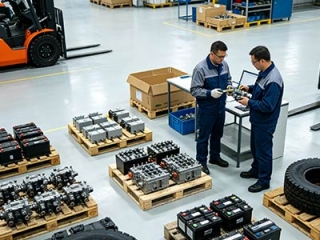 5 Strict Inspection Stages of Newnewton Forklift Before DeliveryForklift factory inspection determines equipment stability. Taizhou manufacturers adopt five testing procedures from parts sampling to full-load tests for reliable quality.
Do you like ?0
Read more -
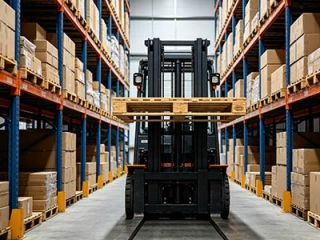 Introduction to Straddle Leg Function of Stacker and Damage ImpactsSupport legs are core load-bearing structures of stackers. They prevent tipping, bear loads and guide pallets, requiring daily maintenance for safe operation.
Do you like ?0
Read more -
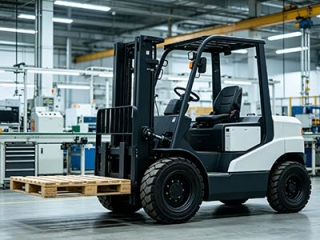 3 Sets of Workshop Narrow Aisle Forklift Solutions from Forklift ManufacturerNarrow workshop aisles limit handling efficiency. Professional forklift manufacturers provide three forklift solutions for different narrow aisle working conditions.
Do you like ?0
Read more -
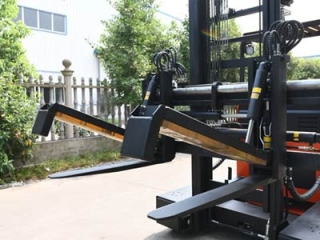 6 Steps to Learn Standard Operation of Full Electric Four-way ForkliftFull-electric four-way forklifts handle long materials with vertical and horizontal travel. Standardize six operating procedures to avoid operational risks.
Do you like ?0
Read more -
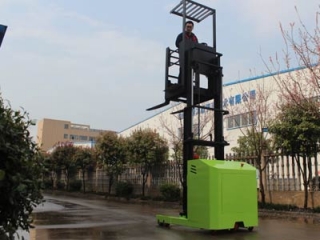 Electric order picker vs manual order picker, warehouse order pickerWhen choosing order pickers, compare electric and manual models from efficiency, workload, scenarios, cost and safety to match your warehouse working conditions.
Do you like ?0
Read more -
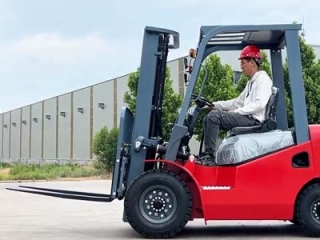 What Items Can Be Customized for Diesel Forklift OEM ServiceFor diesel forklift OEM, clarify customizable ranges to avoid delivery deviation. Factories support logo, mast, cabin and document customization.
Do you like ?0
Read more