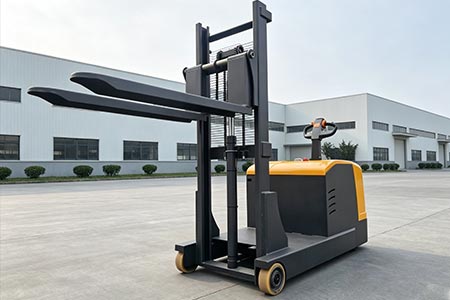
Weak Lifting Failure of Stand-On Counterbalance Stacker & Repair Solutions
Stop operating immediately once you encounter weak lifting of stand-on counterbalance stacker during warehouse handling to avoid potential safety hazards. This frequent malfunction is generally caused by hydraulic system faults, power supply problems or worn mechanical components. This article shares practical fault analysis and counterbalance stacker maintenance solutions.
Insufficient or deteriorated hydraulic oil Fault performance: Normal lifting without load, obviously weak lifting and slow movement under loaded conditions. Analysis: Shortage of oil leads to insufficient supply. Long-term service causes oil oxidation and impurity contamination, weakening lubrication and pressure transmission. Solutions: Check oil level and add anti-wear hydraulic oil of the same model. Replace all hydraulic oil thoroughly if it turns turbid or black, and clean the hydraulic tank filter screen simultaneously.
Low relief valve pressure or stuck valve spool Fault performance: The stacker cannot lift rated load due to premature pressure relief. Analysis: The relief valve controls system hydraulic pressure. Impurities blocking the spool or incorrect pressure setting prevent the system from reaching standard working pressure. Solutions: Disassemble and clean impurities on the relief valve. Recalibrate pressure strictly according to original factory parameters after cleaning. Never raise pressure arbitrarily to prevent pipe burst and mast damage.
Internal leakage caused by aging hydraulic cylinder seals Fault performance: Forks slide slowly after reaching certain height, and loaded lifting becomes difficult. Analysis: Long-time friction ages oil seals, resulting in internal oil backflow and continuous pressure loss inside the cylinder. Solutions: Disassemble the cylinder and replace the whole seal kit. Check cylinder wall for scratches; repair or replace the entire cylinder assembly if the cylinder is damaged.
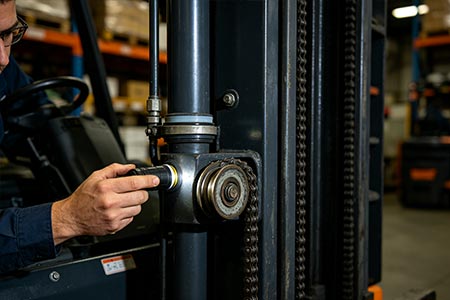
Worn hydraulic pump leading to insufficient oil supply Fault performance: Obvious abnormal noise of the lifting motor during operation, slow lifting speed both with and without cargo. Analysis: Worn gears or blades reduce volumetric efficiency, so the pump fails to provide adequate flow and pressure. Solutions: Test the output pressure of the pump. Minor wear can be fixed via maintenance; replace the whole hydraulic pump assembly for severe wear.
Low battery voltage and poor wire connection Fault performance: Voltage drops sharply when activating lifting, resulting in insufficient lifting power. Analysis: Aged batteries lose capacity; oxidized or loose terminals stop the lifting motor from getting rated voltage. Solutions: Test battery voltage under no-load and loaded conditions. Remove oxide on terminals and fasten wiring. Replace battery packs when aging is severe.
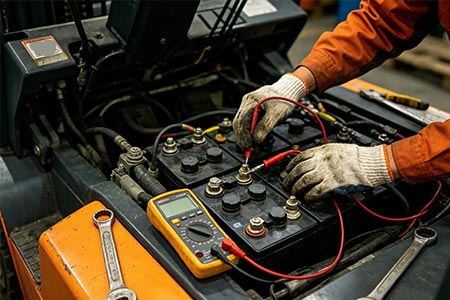
Lifting motor malfunction Fault performance: The motor runs weakly and heats rapidly after pressing the lifting button. Analysis: Worn carbon brushes or partially aging coils reduce motor output power. Solutions: Replace worn carbon brushes. Change the lifting motor if coils suffer short circuit or aging.
Stuck mast rollers and failed lubrication Fault performance: Stuttering movement and friction noise during lifting, causing strenuous lifting. Analysis: Rusty roller bearings and insufficient grease greatly increase friction of the mast. Solutions: Clear debris on mast rails, inspect worn rollers, apply special lubricating grease and adjust mast clearance.
Feel free to contact us if you have questions regarding counterbalance stacker maintenance mentioned above.
-
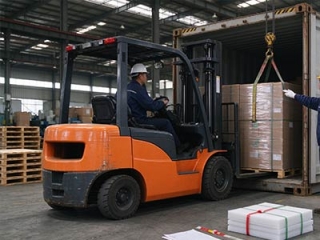 Newnewton Forklift Manufacturer, Forklift CE Certification for ExportNewnewton forklift factory offers full CE certification complying with EN ISO 3691, complete technical documents and OEM service to reduce customs detention risks.
Do you like ?0
Read more -
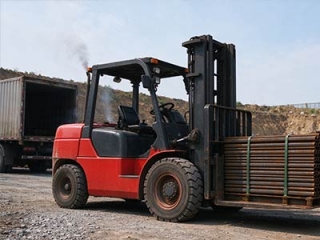 Electric Forklift Vs Diesel Forklift, Warehouse Selection GuideElectric forklift is zero-emission and quiet for indoor clean warehouses. Diesel forklift offers strong power for outdoor heavy-duty tasks.
Do you like ?0
Read more -
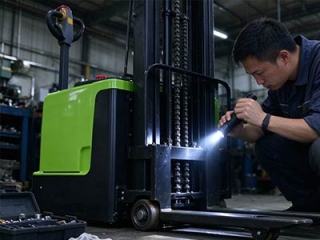 Narrow Aisle Stacker Forklift Custom Manufacturer for WarehouseCustom narrow aisle stacker for non-standard racking. Adjust body, mast and fork specs, upgrade power and protection, site survey available.
Do you like ?0
Read more -
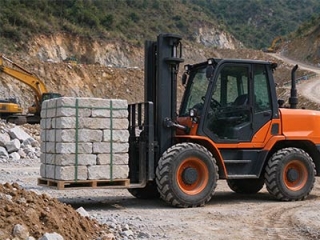 4WD All Terrain Rough Terrain Forklift Climbing for Mountain Sites4WD rough terrain forklift works on unpaved roads. Observe load climbing limit, attachments optional for forest and construction sites.
Do you like ?0
Read more -
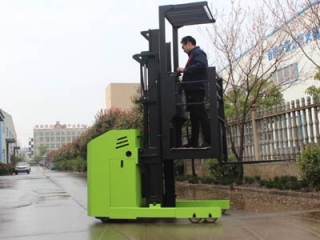 Man-Up Order Picker for High Level Picking, Suitable Warehouse ModesMan-up high level order picker for high-level split picking. Not for full pallet stacking, check rack, aisle and floor before selection.
Do you like ?0
Read more -
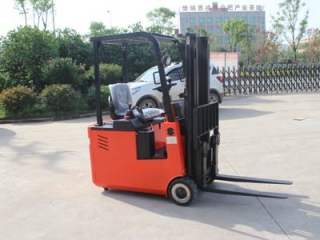 Narrow Aisle Operation Of Three-Wheel Forklift With Compact Turning RadiusThree-point electric forklift features small turning radius for narrow aisles. Reserve safety margin and check floor condition during selection.
Do you like ?0
Read more