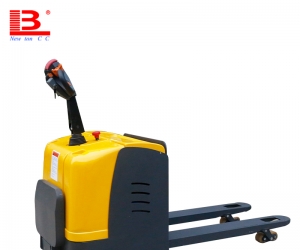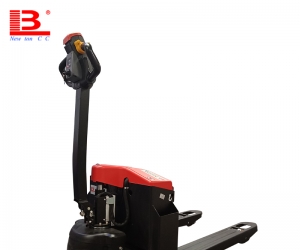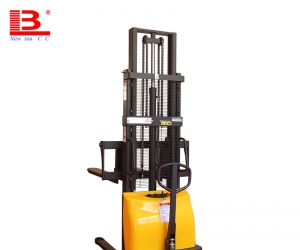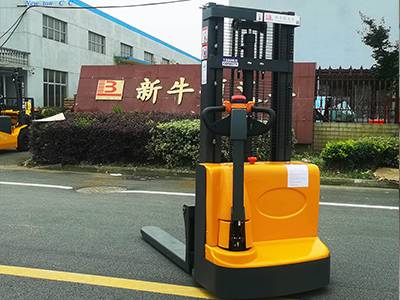
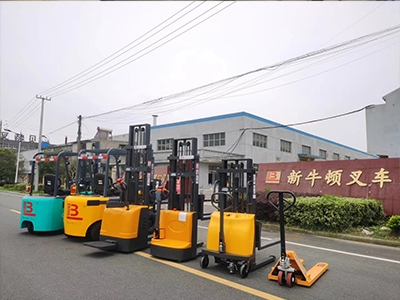
In the warehouse workshop, the application of electric stacker is becoming more and more popular. When bosses buy electric stackers from electric forklift manufacturers, for the consideration of transportation space and safety, they are often not finished products, and some parts need to be installed by themselves. Then, the installation of electric stacker has become a very important problem. Let's follow us to understand the principle and steps of the installation of electric stacker parts.
The installation of electric stacker usually follows the installation principles from bottom to top, from inside to outside, from rear to front and from left to right. Let's take a look at the specific steps:
The piston ring shall be used in a complete set and cannot be disassembled at will. Install from the third ring.
Do not touch the piston, crankshaft bushing surface, connecting rod, piston, crankshaft and camshaft at will. The installation of these parts must be evenly oiled to protect and lubricate them.
Grease the O-ring as required and install the cylinder liner. Remind everyone not to knock the cylinder liner during installation.
Remember not to install the ring vertically or horizontally. When installing the ring mouth, it is advisable to stagger at least 120 °.
Electric forklift manufacturers usually require customers to install cylinder gasket after oiling. This process is irreversible.
When installing the cylinder head screws, the wrench shall be tightened from the middle to the four sides for 2-3 times, tighten the cylinder head screws to ensure that each screw is stressed evenly, and then separate from the middle to both ends. Tighten the crankshaft bushing connecting rod 2-3 times.
Install the piston connecting rod in the original direction of the piston as required. Install the piston connecting rod with the special tool. In addition, do not knock the piston and apply the oil evenly to the connecting rod bushing.
When installing the high-pressure fuel injection pump gear and camshaft, pay attention to the alignment of the gear. The above are the principles and steps for electric forklift manufacturers to install electric and hydraulic forklift parts. I hope our content is helpful to you.
-
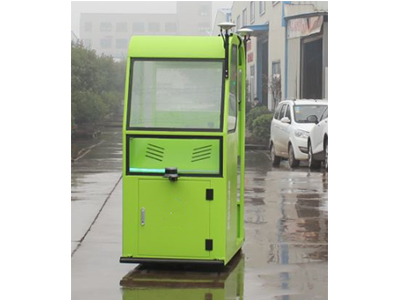
 How Does Truck-Mounted Self-Lifting Stacker Work for City DeliveryLight electric self-loading stackers let one driver load pallets inside trucks without tailgates, yet they have limits on load, space and working conditions.
Do you like ?0
Read more -
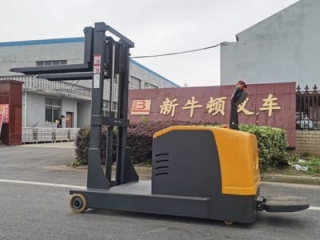 N1 License Guide for Stand-on Counterbalance StackerStand-on stackers and stand-on counterbalance stackers are both industrial trucks under TSG 81—2022. Operators need N1 certificates, though inspection focuses differ.
Do you like ?0
Read more -
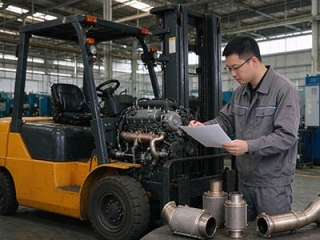 Retrofit Guide of Exhaust Filter for Internal Combustion Diesel ForkliftExhaust treatment devices help diesel forklifts pass environmental checks. DPF and catalytic cleaners differ; match engine models to avoid abnormal backpressure damage.
Do you like ?0
Read more -
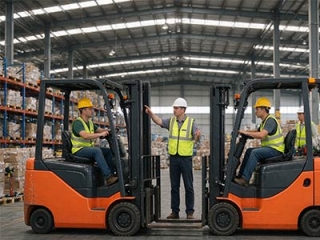 Benefits of Sourcing Warehouse Handling Equipment From One-Stop Forklift MakerSeparate sourcing for forklifts, attachments and service causes delays and disputes. One-stop suppliers offer plans, equipment, OEM and CE files to cut coordination costs.
Do you like ?0
Read more -
 Overseas Cold Chain Sourcing Guide for Three-Point Electric ForkliftCold chain dealers overlook condensation damage to 3-wheel forklifts. Standard models risk short circuits; custom low-temp versions suit narrow cold aisles.
Do you like ?0
Read more -
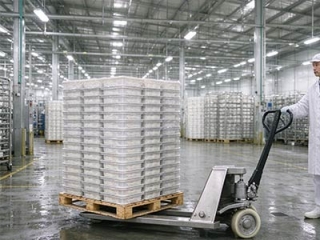 Manual Hydraulic Pallet Truck for Food Workshop | Selection Key PointsStandard carbon pallet trucks rust in wet food workshops. Choose 304 stainless or coated models with non-marking wheels to meet food hygiene rules.
Do you like ?0
Read more