Manual Hydraulic Pallet Truck for Food Workshop | Selection Key Points
Food workshop conditions differ from ordinary warehouses. The space stays humid all year round, and floors are washed frequently. Disinfectants, water stains and food residues accumulate continuously. Ordinary carbon steel manual hydraulic pallet truck for food workshop tends to rust and shed metal scraps. Once metal fragments mix into goods, serious food safety risks occur. Selection must follow clean control standards strictly.
A supporting warehouse for cooked food processing once bought standard carbon steel pallet trucks. Rust spots appeared on frames and pin shafts within three months. Rust debris fell off during washing, leading to rectification orders from quality inspectors. The site finally switched to food-grade models to meet workshop regulations.
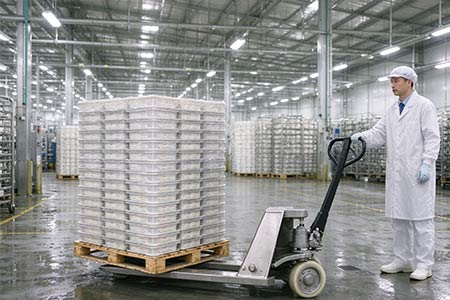
Choose full 304 stainless steel construction or thickened carbon steel with anti-corrosion coating. Stainless steel versions resist moisture, acid and alkaline disinfectant, ideal for high-humidity workshops for fresh food, cooked food and dairy products. If you have a limited budget, thick epoxy coated trucks are an alternative, yet they cannot stand long-time soaking and flushing.
Wheels are an easily overlooked part for food workshops. Avoid common rubber wheels that leave black debris. Nylon wheels or non-marking polyurethane wheels are preferred. They leave no black marks on clean floors and hardly absorb oil and residues. Stainless steel wheel axles and pin shafts prevent rust and jamming for convenient washing.
Hydraulic components also require careful inspection. Water-resistant seals stop moisture from entering cylinders, preventing hydraulic oil emulsification and jerky lifting. Pallet trucks for food workshops should adopt a simple structure with fewer gaps and grooves. Too many crevices trap flour, sauce scraps and increase cleaning workload.
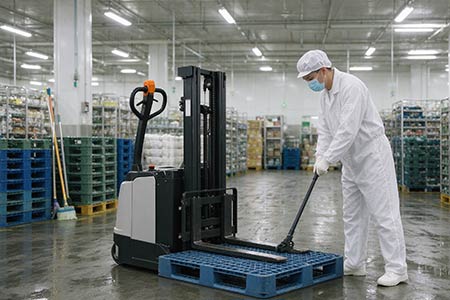
Match fork dimensions with pallet sizes. Euro pallets are widely used in the food sector, so confirm fork length and outer width beforehand. Do not use models with peeling paint. Clean the truck regularly with neutral detergent and avoid strong corrosive chemicals on the hydraulic pump.
The core selection key points of manual hydraulic pallet truck are not load capacity, but anti-corrosion performance, no debris shedding and easy cleaning. Stainless steel manual pallet trucks work steadily for low-frequency single-shift handling, helping you pass inspection and keep warehouse operations compliant.
-
 How Does Truck-Mounted Self-Lifting Stacker Work for City DeliveryLight electric self-loading stackers let one driver load pallets inside trucks without tailgates, yet they have limits on load, space and working conditions.
Do you like ?0
Read more -
 N1 License Guide for Stand-on Counterbalance StackerStand-on stackers and stand-on counterbalance stackers are both industrial trucks under TSG 81—2022. Operators need N1 certificates, though inspection focuses differ.
Do you like ?0
Read more -
 Retrofit Guide of Exhaust Filter for Internal Combustion Diesel ForkliftExhaust treatment devices help diesel forklifts pass environmental checks. DPF and catalytic cleaners differ; match engine models to avoid abnormal backpressure damage.
Do you like ?0
Read more -
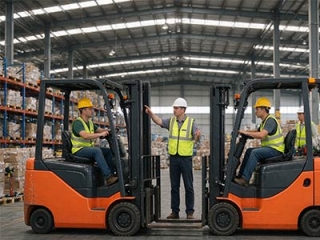 Benefits of Sourcing Warehouse Handling Equipment From One-Stop Forklift MakerSeparate sourcing for forklifts, attachments and service causes delays and disputes. One-stop suppliers offer plans, equipment, OEM and CE files to cut coordination costs.
Do you like ?0
Read more -
 Overseas Cold Chain Sourcing Guide for Three-Point Electric ForkliftCold chain dealers overlook condensation damage to 3-wheel forklifts. Standard models risk short circuits; custom low-temp versions suit narrow cold aisles.
Do you like ?0
Read more -
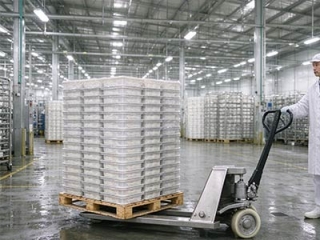 Manual Hydraulic Pallet Truck for Food Workshop | Selection Key PointsStandard carbon pallet trucks rust in wet food workshops. Choose 304 stainless or coated models with non-marking wheels to meet food hygiene rules.
Do you like ?0
Read more