Electric Forklift vs Internal Combustion Forklift: How to Choose?
A clear comparison between electric forklifts and internal combustion forklifts can provide practical insights and useful information when you are confused, hesitant, or unsure about which forklift to choose. Today, our comparison will focus on maintenance costs. After all, many people fully understand performance, price and other aspects during the purchase stage, but easily overlook maintenance costs. Poor calculation of these costs can easily lead to over-budget spending, which is not good for your financial management.
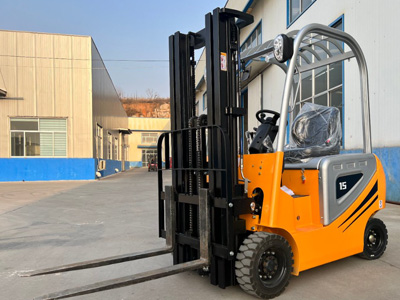
Let’s first look at core component maintenance, which accounts for the largest part of maintenance costs. Internal combustion forklifts are powered by engines, gearboxes and fuel systems, which have complex structures. Regular oil, oil filter, air filter and fuel filter replacements are required, plus spark plug and injector inspections. Even minor breakdowns result in costly and time-consuming repairs. For routine maintenance, internal combustion forklifts need basic service at least once a month, costing several thousand yuan per year. A single engine repair can cost over ten thousand yuan.
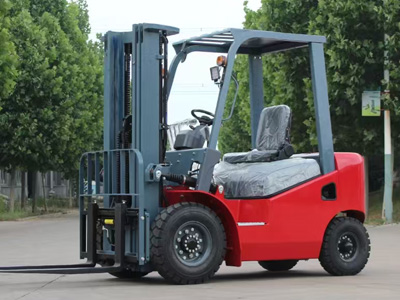
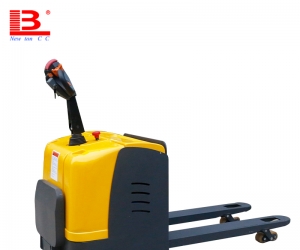
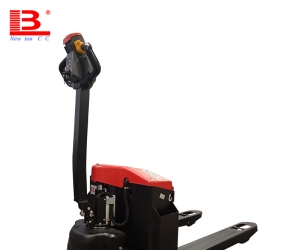
Newnewton electric forklifts are much simpler. Their core components are motors, batteries and electronic control systems, with simple structures and low failure rates. Daily maintenance does not require oil or filter changes—only regular battery checks, motor and controller cleaning, and wheel lubrication. Basic monthly maintenance costs only a few dozen yuan. With proper charging and use, batteries last 3–5 years, and their replacement cost is much lower than engine repairs for internal combustion forklifts.
Next are the hidden maintenance costs in daily use. Internal combustion forklifts have high fuel consumption and produce exhaust emissions. Long-term use requires regular maintenance of exhaust treatment systems to avoid non-compliant emissions and rectification orders. They also produce high noise and strong vibration, accelerating body wear and increasing repair frequency.
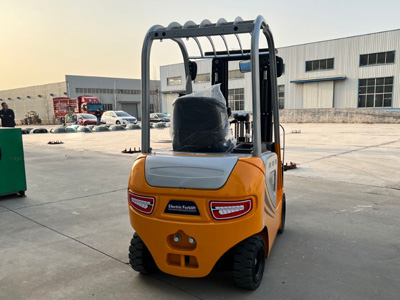
Electric forklifts avoid these problems. Powered by electricity, they have zero fuel consumption and zero exhaust, with no exhaust treatment system maintenance or extra fuel costs. Low noise and vibration slow down body wear, making hidden maintenance costs almost negligible. Especially in indoor warehouses, food workshops, pharmaceutical workshops and other scenarios, electric forklifts eliminate exhaust and noise concerns, making maintenance much easier.
From the perspective of maintenance costs of electric forklifts and internal combustion forklifts alone, you can clearly understand the differences between these two types of forklifts. We hope this helps you consider all factors more comprehensively when purchasing a forklift, so you can choose a product that best meets your needs!
-
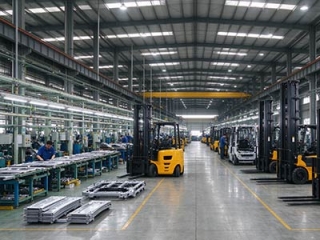 Newnewton Forklift: Full Range Warehouse Handling Equipment with Spot SupplyNewnewton runs a 4000㎡ factory in Taizhou with full warehouse equipment range. Ready stock, OEM, CE certification and sufficient spare parts available.
Do you like ?0
Read more -
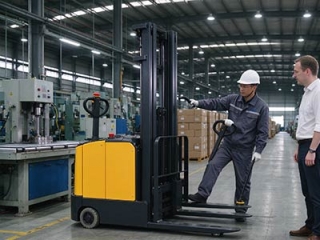 Warehouse Stacker Source Factory, Electric Warehouse StackerElectric stackers vary widely in price. Verify factory capacity, specs and after-sales service, test machines and avoid under-configured middlemen.
Do you like ?0
Read more -
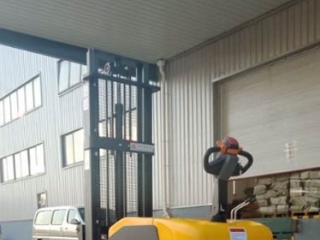 Ride-on Reach Stacker Battery Maintenance, Ride-on Lithium Reach StackerReach rider lithium stackers face costly battery damage. Proper charging, wiring inspection and load control extend battery life and cut downtime.
Do you like ?0
Read more -
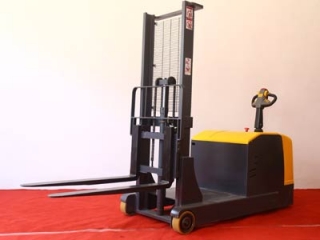 Custom Pallet Ride-on Counterbalance Stacker, Legless Ride-on StackerForklifts as on-site special equipment need annual inspection. Check documents, structure, safety devices and hydraulic systems in advance.
Do you like ?0
Read more -
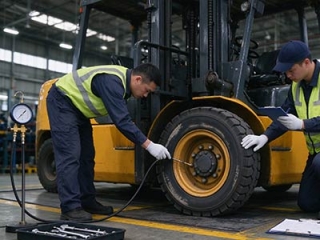 Forklift Annual Inspection Process and Requirements, Basic Forklift KnowledgeForklifts as on-site special equipment need annual inspection. Check documents, structure, safety devices and hydraulic systems in advance.
Do you like ?0
Read more -
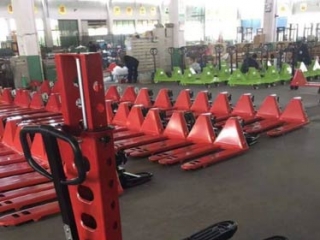 Difference Between Electric Self-loading Stacker and Truck Mounted ForkliftSelf-climbing trucks and truck-mounted forklifts handle cargo loading differently. Choose based on load, modification needs and actual working scenarios.
Do you like ?0
Read more