With warehouse upgrading and optimization, enterprises impose stricter control over work efficiency and operating costs. Wondering how to slash forklift expenses? Master the complete Cost-saving Methods for Factory Handling Equipment through scientific model selection and long-term maintenance management.
Most factory cost waste stems from mismatched equipment. Over-sized forklifts or unsuitable models will continuously raise fuel, power and depreciation costs.
Match Models Based on Load & Site Conditions, Avoid Over-specifying Heavy-duty Forklifts
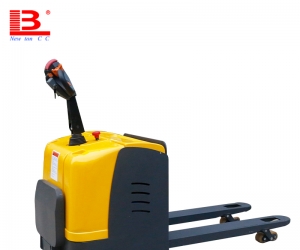
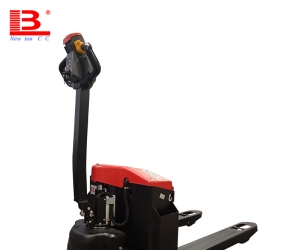
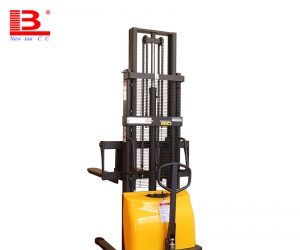
1. Indoor short-distance light-duty transport with low daily stacking frequency: Adopt walk-behind electric pallet trucks or semi-electric stackers to replace 3-ton diesel forklifts. Zero fuel consumption, with procurement and maintenance costs only one-third of heavy-duty forklifts.
2. Narrow-aisle high-density storage with racks over 3m high: Prioritize reach electric stackers. They require narrower working aisles, boost warehouse storage capacity by 30% and cut long-distance cargo transport mileage.
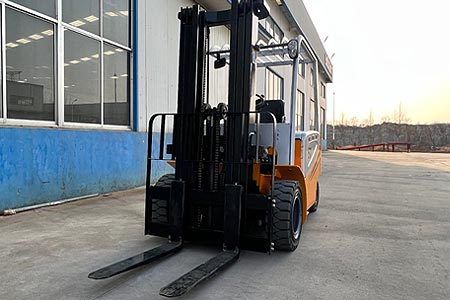
3. Outdoor heavy-load transport, truck loading without docks and heavy steel & building material handling: Deploy diesel counterbalance forklifts specially for heavy goods, to prevent internal combustion trucks from empty running back and forth inside enclosed workshops.
Reserve Reasonable Load Margin, Avoid Blindly Purchasing Overweight Models
If your heaviest single pallet load is 1 ton, a 1.5-ton forklift fully meets your demands, and there is no need to buy a 3-ton model directly. Larger tonnage means heavier curb weight, which raises energy consumption by over 40% during empty travel. Meanwhile, procurement costs and replacement fees for tires and hydraulic accessories will surge synchronously.
Separate Indoor & Outdoor Power Types to Cut Long-term Energy Bills
Uniformly deploy lithium electric forklifts for full indoor warehouses: no diesel consumption, no regular replacement of three filters and exhaust treatment parts. Place internal combustion forklifts separately in outdoor open yards. Separate usage reduces unnecessary empty trips of diesel trucks entering and exiting workshops frequently.
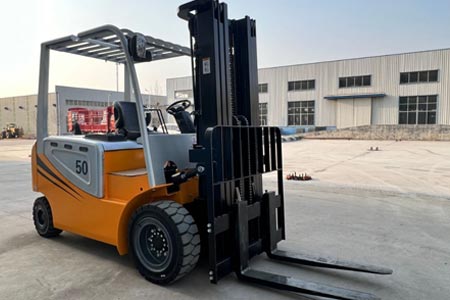
Standardized Operation Management
Improper operation directly increases fuel/electricity consumption, accelerates aging of motors, cylinders and batteries, and brings expensive repair costs. Formulating unified operation rules is a low-cost cost-cutting measure.
Fuel-saving Operation Tips for Diesel Forklifts
- Limit idle running: Turn off the engine if waiting for loading/unloading or shift handover exceeds 3 minutes. One hour of idle operation consumes 2.5L diesel, and long idling causes carbon deposition inside the engine and shortens service life. Warm up the engine for only 30 seconds before driving; avoid prolonged revving in place.
- Drive smoothly at constant speed: No sudden acceleration, hard braking or high-speed turning. Release the throttle and coast in advance when approaching racks or staff, saving around 7% fuel. Keep forks 10–20cm off the ground when empty; never travel with raised forks, which increases wind resistance and fuel consumption.
- Standard lifting operations: Release the throttle once cargo reaches target height, avoid continuous throttle pressing during pallet lifting/lowering to reduce high pressure load on the hydraulic system.
Power-saving & Battery-protecting Skills for Lithium Electric Forklifts
The battery is the most expensive component of electric forklifts. Improper charging and discharging can halve battery life and greatly raise replacement costs. Recharge promptly when 25%–30% power remains; never drain power until low-voltage protection triggers forced power-off. Let hot batteries cool down for 30 minutes after heavy-load operation before charging, and prohibit charging under high temperature. For long-term idle equipment, store batteries at 50%–70% charge and top up power every half month. Activate low-speed mode for daily short-distance transport to cut power consumption by 30%; do not install extra high-power lighting or modified electrical appliances to avoid extra power drain.
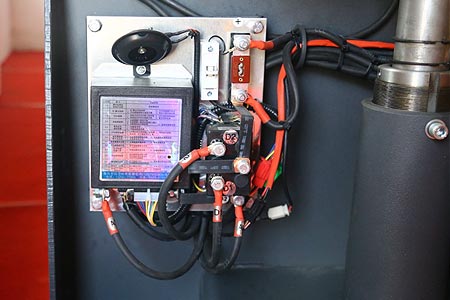
Preventive Maintenance
Strictly Follow Hourly Maintenance Cycles
For diesel forklifts: Replace engine oil and oil filter every 250 hours; fully inspect transmissions and hydraulic pipelines every 500 hours.
For electric forklifts: Tighten battery terminals every 300 hours, remove dust from motor and controller surfaces to avoid short circuits and burnt electric control parts.
Regular Inspection of Worn Parts, Timely Replacement to Avoid Secondary Failures
Replace tires immediately when wear exceeds one-third. Insufficient tire pressure or worn tread increases driving resistance, raising fuel and power costs. Bumpy vibration also damages hydraulic cylinders. Replace oil seals and hydraulic hoses at the first sign of slight leakage: replacing only seals costs little, while worn cylinders caused by oil shortage will multiply repair expenses dozens of times. Regularly apply grease to lifting chains and steering kingpins to prevent dry friction, rust and breakage, avoiding production shutdown losses from rack cargo collapse.
Simple Daily Pre-shift & Post-shift Inspection Process
Lower forks fully to the ground after work, clear gravel and pallet scraps from wheel assemblies, check for oil leakage, damaged tires and aging wiring. Resolve minor issues on the same day to prevent accumulated faults and higher losses.
From the above content, you can fully grasp How to Use Factory Forklifts in the Most Cost-effective Way. Only by mastering multi-dimensional strategies including forklift selection, operation and maintenance can you stably control long-term forklift management costs and avoid overspending.
-
 Newnewton Forklift Export, Canton Fair Electric Warehouse Forklift ManufacturerAt the 140th Canton Fair, Newnewton displays full electric warehouse equipment, including cold storage and explosion-proof models with CE, OEM and export support.
Do you like ?0
Read more -
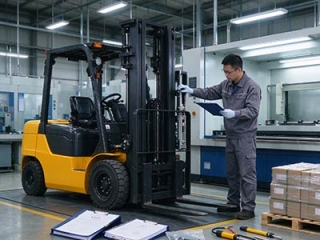 Electric Forklift Factory Direct Quotation, Warehouse Handling EquipmentSame model electric forklifts have varied quotes due to different configurations. Provide load, lift, working conditions and certifications for accurate direct factory pricing.
Do you like ?0
Read more -
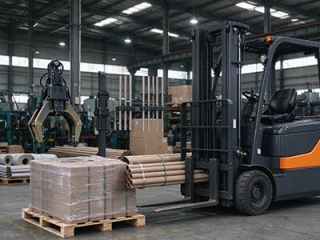 5 Common Working Scenarios for Customized Warehouse Forklift SolutionsStandard forklifts fail to fit special warehouse conditions. The factory offers customization for narrow aisles, cold rooms, explosion-proof and outdoor heavy-load scenarios.
Do you like ?0
Read more -
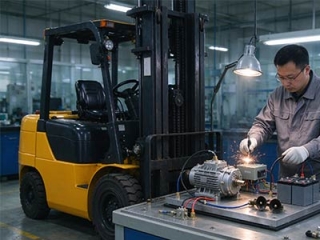 What Tests Are Conducted Before Explosion Proof Forklift DeliveryExplosion-proof forklifts are for flammable and dusty warehouses. They pass strict tests on structure, electrics, temperature and hydraulics before delivery.
Do you like ?0
Read more -
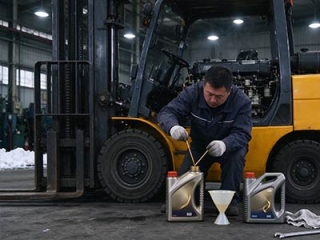 How to Maintain Internal Combustion Forklift in Cold WinterInternal combustion forklifts suffer hard starting and fuel icing in cold weather. Maintain fuel, oil, battery and cooling systems for winter use.
Do you like ?0
Read more -
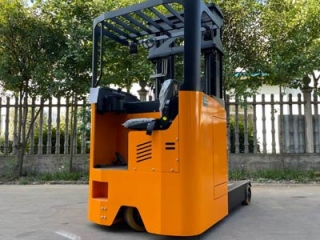 2 Ton Sit-down Reach Stacker, Sit-on Electric Reach Stacker2-ton seated reach stackers fit narrow aisle high rack warehouses. Its extending mast works for two-shift stacking; watch aisle size and high lift capacity deration.
Do you like ?0
Read more