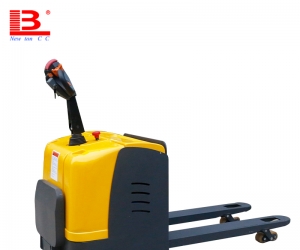
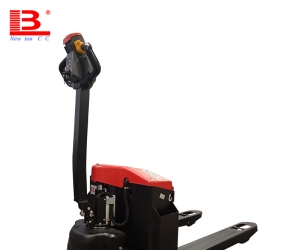
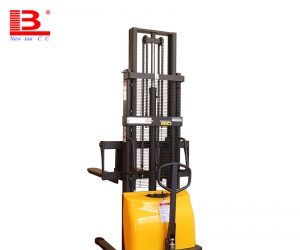
Stand‑on full‑electric stacker is widely adopted as warehouse equipment for small‑and‑medium‑sized enterprises. Many buyers want to know the market quotation. Prices vary greatly with different configurations. Understanding key factors that influence stand‑on electric stacker price helps you avoid low‑cost procurement traps.
If buyers take price as the primary purchasing factor, they will notice huge quotation gaps among similar models. Units selected merely for the lowest price may gradually show problems such as insufficient power, hydraulic oil leakage and shortened battery endurance after being put into service. Price should not be the only evaluation standard. Figure out how configurations affect costs, so you can select equipment balancing budget and durability.
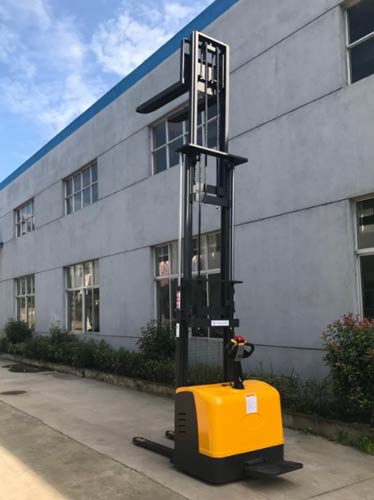
The following factors deserve your attention:
Power Battery
Lead‑acid batteries feature lower initial investment, suitable for single‑shift intermittent work. Lithium batteries support fast‑charging, maintenance‑free operation and longer service life, meeting two‑shift high‑frequency warehouse requirements with higher procurement cost. Besides batteries, the quality of controller and drive motor also affects pricing. Brushless AC motors deliver stable operation and lower failure rate, selling at higher prices than ordinary DC motors.
Optional Accessories
Extra costs will be generated for wide forks, mast side shifter, anti‑slip platform pedal, speed limiter and anti‑corrosion coating. For special working conditions such as narrow aisles, cold‑storage and dusty environments, customized structural optimization will make non‑standard models more expensive than standard stock units.
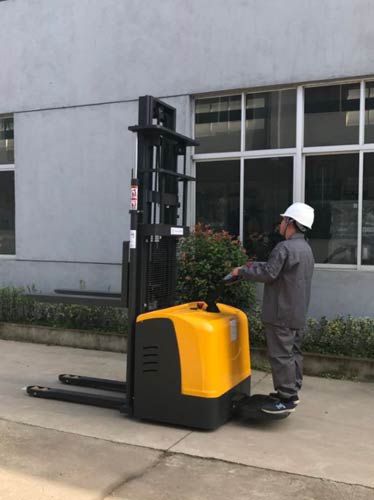
When comparing quotations, keep all parameters consistent. Compare load capacity, lifting height and battery type side‑by‑side to prevent suppliers from competing with low‑price but low‑spec solutions. Measure actual warehouse aisle width and check vehicle minimum turning radius to guarantee smooth turning performance.
In conclusion, budget planning for purchasing stand‑on electric stacker should not only focus on upfront purchase cost. Long‑term expenses including maintenance, spare‑part replacement and downtime loss should also be taken into consideration. Prepare your site data such as load requirement, lifting height and daily working hours. Compare configuration, warranty and lead‑time comprehensively to pick suitable stacking equipment for your warehouse.
-
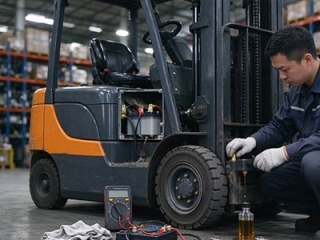 Reliability Of Newnewton Warehouse Forklifts For Heavy-Duty ShiftsWarehouse forklift reliability relies on industrial parts, reinforced frames and factory durability tests. Proper operation and maintenance reduce unexpected downtime.
Do you like ?0
Read more -
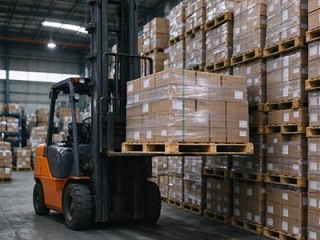 Forklift Configuration Strategy For Dense Warehousing, Warehouse ForkliftDense warehousing needs matched forklifts besides racks. Reach and trilateral stackers fit different layouts, coordinate aisle, load curve and floor for smooth handling.
Do you like ?0
Read more -
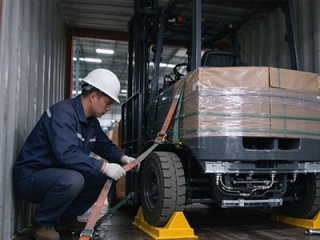 Full Container Supply For Export Forklifts, Forklift ManufacturerBulk forklift orders for overseas can ship by FCL or LCL. Newnewton FCL offers stable freight, safer packing and mixed models for large purchases.
Do you like ?0
Read more -
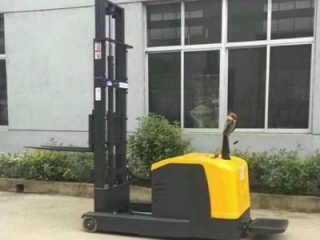 Stand-on Reach Stacker For Narrow Aisle Stacking, Mast Reach StructureStand-on reach stackers feature sliding masts that stay outside racks. They boost storage density in narrow aisles and require flat floors and standard pallets.
Do you like ?0
Read more -
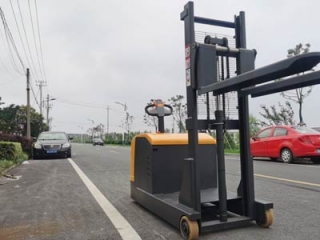 Stand-on Counterbalance Stacker For Various Pallets, Why No Leg RestrictionCounterbalance stackers have no front outriggers, using rear counterweight to avoid pallet interference. They fit various odd pallets yet need wider warehouse aisles.
Do you like ?0
Read more -
 Custom Walk-Behind Counterbalance Stacker | Non-Standard ModificationsStandard walk-behind counterbalance stackers struggle with non-standard pallets and tight aisles. Customize load, lift, forks and structure, share working conditions for safe design.
Do you like ?0
Read more