Fuel Powered Forklift VS Electric Forklift 6 Core Performance Comparison
Many warehouse buyers assume electric forklifts are universally superior while Fuel Powered Forklift (internal combustion types) are outdated. The most critical procurement reference is the clear Performance Differences Between Internal Combustion & Electric Forklifts, which helps you avoid costly wrong model selection.
Internal combustion forklifts include diesel, gasoline and LPG variants; electric forklifts are split into lead-acid and lithium-ion versions. This article complies with ISO23308 industrial vehicle testing standards and official China Forklift Network test data. We compare six core performance dimensions with real on-site working cases for reliable procurement reference.
1. Power Output & Heavy-load Climbing Capacity
Internal Combustion Forklift
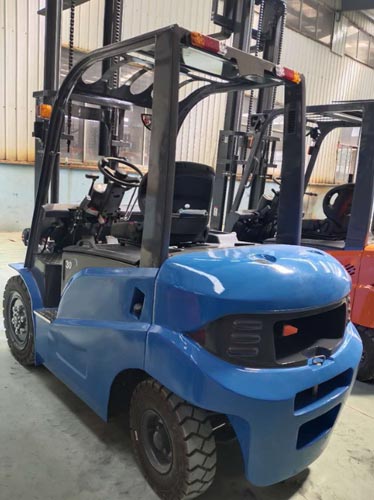
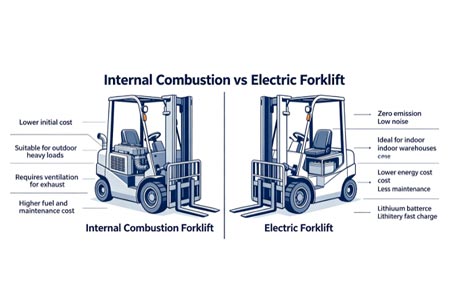
Strengths: Engines deliver high peak torque with stable power under sustained heavy loads. Ideal for cargo over 8 tons, slopes above 15%, muddy gravel outdoor yards. Power output does not drop during full-load continuous climbing, maintaining steady performance in low-temperature, rainy and open-air environments. Test data: 3-ton diesel forklift maximum climbing gradient 18%, consistent full-load power output. Instant refueling eliminates downtime during high-intensity multi-shift work. ISO energy test verification: Energy density of diesel under heavy loads is over twice that of lithium batteries, making internal combustion forklifts the top choice for outdoor heavy-duty yards.
Electric Forklift
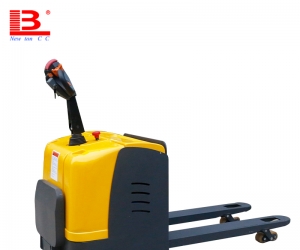
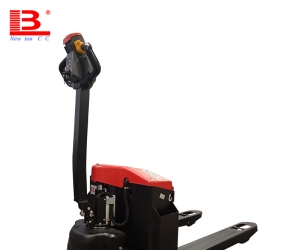
Strengths: Motors produce full torque at zero speed for smooth low-speed start and precise positioning in narrow aisles. Lithium models deliver sufficient power for daily 1–5 ton indoor stacking operations.
2. Working Duration & Refuel/Recharge Efficiency
Internal Combustion Forklift
One full tank supports 8–12 hours continuous operation; refueling takes only 5 minutes. Perfect for two-shift or three-shift nonstop work without charging infrastructure. Suitable for remote construction sites and factories without power supply.
Electric Forklift
Lead-acid version: 4–6 hours runtime per full charge, requiring 8 hours complete charging with no opportunity fast charging.
Lithium version: 8–10 hours full runtime; 1-hour lunch break quick charge restores 80% capacity, designed for indoor warehouses with dedicated charging zones.
3. Noise & Emission Environmental Performance (Key Divider For Indoor Operations)
Internal Combustion Forklift
Operating noise 90–95 decibels, continuously discharging CO, nitrogen oxides and particulate matter. Banned in food, pharmaceutical and enclosed warehouses; mandatory ventilation systems required, risking fines during environmental compliance inspections.
Electric Forklift
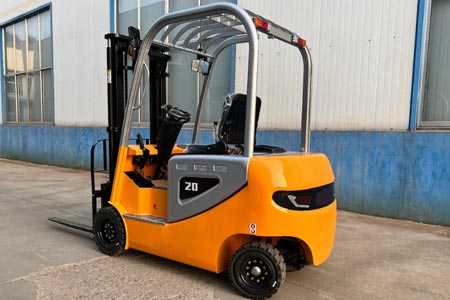
Zero exhaust emissions, operating noise only 60–75 decibels with no air contamination. Applicable to food processing, medical workshops, cold storage, underground warehouses and urban factories. No noise complaints during night shifts and zero extra ventilation renovation costs.
4. Maintenance Complexity & Annual Repair Expense
Internal Combustion Forklift
Engines contain numerous moving parts, requiring monthly oil, oil filter and air filter replacement plus carbon deposit cleaning. Average 5-year annual maintenance cost ≈ ¥10,500 ($1,449). Multiple fault points lead to frequent production downtime for repairs.
Lithium Electric Forklift
No engine or fuel circuit systems; only hydraulic and tire maintenance required. Oil change procedures eliminated, spare part count cut by 60%. Average 5-year annual maintenance cost ≈ ¥2,500 ($345), reducing repair expenditure by 76% versus internal combustion forklifts.
5. Energy Operating Cost (8-hour single-shift test for standard 3-ton forklift)
Diesel forklift: Hourly energy cost ¥28–35 ($3.86–$4.83)
Lithium electric forklift: Hourly electricity cost only ¥3–5 ($0.41–$0.69), slashing hourly running expenses by over 70%. Industry calculation: Over identical working hours, total 5-year energy cost of electric forklifts equals only 1/7 of fuel powered forklifts.
6. Site & Environmental Adaptability
Internal combustion forklift applicable scenarios: Outdoor yards, construction sites, ports, uneven gravel ground, sub-zero temperatures, power-free factories, cargo over 8 tons.
Electric forklift applicable scenarios: Indoor warehouses, narrow high-rack aisles, food & pharmaceutical workshops, cold storage, noise-restricted urban plants, 1–5 ton light & medium sorting tasks.
Neither Fuel Powered Forklift nor electric forklift is universally better. Final selection must integrate operating site, load tonnage, daily working hours, environmental regulations and 5-year long-term total cost budget after analyzing the full Performance Differences Between Internal Combustion & Electric Forklifts.
Data Source Notes
Power, climbing and energy consumption data: ISO 23308 industrial vehicle testing standards, China Forklift Network 2026 forklift performance evaluation report
Maintenance & 5-year total cost data: Modern Materials Handling industry whitepaper, RIPPA forklift TCO calculation model
Noise & emission indicators: China Federation of Logistics & Purchasing warehouse equipment environmental testing standards
Working condition cases and pricing data: Our factory 2024–2026 customer on-site usage records, all equipment compliant with GB/T36507 national industrial vehicle standard
-
 Direct Source Factory for Small Electric Forklifts | NewnewtonBuying forklifts from source factories saves markup and speeds up after-sales service. Check qualifications carefully to distinguish real manufacturers from OEM traders.
Do you like ?0
Read more -
 5 Troubleshooting Reasons for Slow Lifting Speed of Electric ForkliftSlow fork lifting is a common electric forklift fault. Check battery voltage, hydraulic oil, filter, pump and multi-way valve to quickly locate the root cause.
Do you like ?0
Read more -
 Lithium-ion Warehouse Forklift Brands Review, Advantages and DisadvantagesLithium forklift brands vary greatly, including major manufacturers, original factories and dealers. Compare Heli, Hangcha, Noblift, BYD to select models matching your budget.
Do you like ?0
Read more -
 Price Reference of Hydraulic Dock Leveler for Warehouse Loading BayHydraulic dock levelers include fixed and mobile types with large price gaps. Load capacity, steel and hydraulic systems are key factors to consider for procurement.
Do you like ?0
Read more -
 Charging & Storage Taboos for Lithium-ion Double Pallet Electric TruckLithium battery double pallet trucks suffer heavy discharge under load. Follow charging, storage and operation rules to slow cell aging and cut replacement costs.
Do you like ?0
Read more -
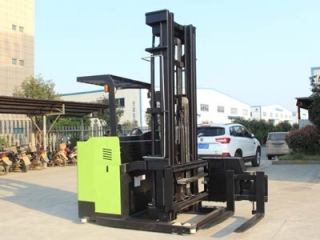 High-level Stacking Safety Notes for Electric Three-way ForkliftThree-way electric forklifts face collision and falling risks in narrow aisles. Follow standard operating procedures for pre-check, traveling, stacking and finishing to ensure warehouse safety.
Do you like ?0
Read more